Choosing the right plastic ducting for air conditioning is essential for efficient cooling, portable setups, and temporary venting. This guide highlights five top-rated options, spanning lay-flat ducting, blow bags, and adaptable hoses. Each product is evaluated for durability, flexibility, and ease of use, helping you select ducts that minimize leaks and maximize airflow. The table below provides a quick reference to the featured items, including brand and key features.
| Product | Brand | Key Use |
|---|---|---|
| PATIKIL Air Conditioner Blowing Bag 4″ x 33 Ft | PATIKIL | Portable duct bag for air scrubbing or exhaust |
| Norkan 19″ x 500′ Lay Flat Ducting | Norkan | Negative air machines and air scrubbers |
| Allegro 9500-500 Lay Flat Ducting 500′ | ALLEGRO | Blower-compatible lay-flat tubing |
| Frienda 200 ft Lay Flat Ducting | Frienda | Long reach for 8″ and 12″ blowers |
| PATIKIL Air Conditioner Blowing Bag 10″ x 66 Ft | PATIKIL | Large-diameter duct bag for bigger setups |
PATIKIL 4″ x 33 Ft Air Conditioner Blowing Bag

The PATIKIL 4″ x 33 Ft blowing bag is a lightweight plastic duct bag designed to connect to air conditioner outlets. It offers a 4-inch diameter and a 10-meter length, with a thickness of 0.13 mm. The bag’s high-density construction emphasizes sealing performance to prevent air leaks while remaining easy to connect and remove. Its flexible material supports bending and folding without compromising airflow, making it suitable for compact spaces on farm, shipyard, or factory floors. The product is described as durable and crack-resistant for prolonged use, with straightforward assembly that suits portable air scrubbing or exhaust tasks.
Norkan 19″ x 500′ Lay Flat Ducting

Norkan’s 19 inch by 500-foot lay-flat ducting is optimized for negative air machines and air scrubbers. The clear 2.25 mil thickness allows visibility of airflow and machine status. This ducting is designed for machines requiring 19-inch or smaller ducting, enabling it to serve a range of portable ventilation setups. Its flexible, flat form stores easily when not in use and expands to support long runs. The product’s main value is enabling reliable, see-through airflow for continuous monitoring during air cleaning or exhaust operations.
ALLEGRO 9500-500 Lay Flat Ducting

ALLEGRO’s 500-foot lay-flat ducting is a lightweight polyethylene option with a 14-inch inflated diameter when in use and a flat 22-inch width. The tubing is rated at 2 mil and is compatible with blowers up to 14 inches. It’s designed to inflate and maintain a robust airflow, while collapsing flat for storage when not in use. A notable feature is its resistance to tearing and cracking, making it a practical choice for temporary or field ventilation projects where space and mobility matter. It’s suitable for temporary transfer of air where high flexibility and easy transport are priorities.
Frienda 200 ft Lay Flat Ducting
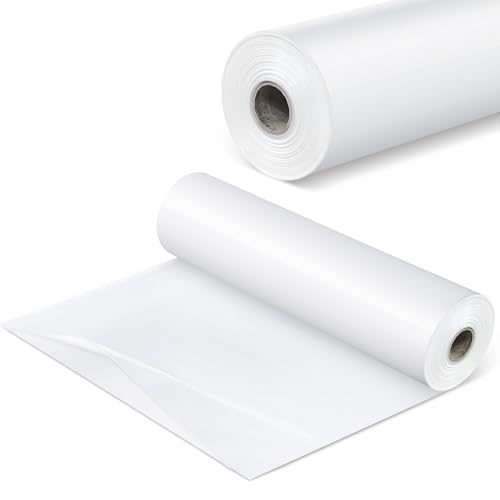
Frienda’s 200-foot lay-flat ducting is designed to fit 8- and 12-inch blowers. It is made of polyethylene and offers a 22-inch width with a 2 mil thickness, balancing durability and flexibility. The long length reduces the need for splices in extended installations, while the material’s resistance to chemical exposure helps in challenging environments. The duct’s design emphasizes secure connections to minimize gas leakage and improve overall airflow effectiveness, making it well suited for industrial ventilation tasks where large-scale ducting is required.
PATIKIL 10″ x 66 Ft Blowing Bag

The PATIKIL 10″ x 66 Ft blowing bag presents a larger-diameter option for more substantial air conditioning setups. With a 10-inch diameter and 65.6 feet length, this bag uses a 0.2 mm thickness. The same practical design philosophy applies: lightweight, flexible, and durable plastic that resists cracking with prolonged use. It emphasizes airtight connections and ease of use, allowing users to attach to the air outlet and bend or fold the ducting to accommodate space constraints. This option is particularly relevant for environments requiring higher airflow without bulkier hardware.
Buying Guide: Key Purchase Considerations And Comparisons
- Compatibility: Ensure the ducting diameter matches your air conditioner outlet or blower intake. Common sizes include 4″, 8″, 10″, and 19″ lay-flat formats.
- Material And Durability: Polyethylene and plastic lay-flat ducts offer good flexibility and lightweight handling. Look for thickness (mil) and sealing performance to minimize leaks over time.
- Length And Storage: Longer ducts reduce the need for splices but require more storage space when not in use. Lay-flat designs collapse for compact storage after use.
- Intended Use: Choose bags for portable exhausts or large-diameter hoses for bigger cooling setups. Negative air machine compatibility should be confirmed for scrubber use.
- Sealing And Connectors: Easy-to-connect connections with secure seals prevent leaks and maintain steady airflow. Check whether adapters are included or require separate purchases.
- Environmental Conditions: Some ducting is better suited for industrial environments with chemical exposure. Consider chemical resistance and temperature tolerance if relevant.
- Portability And Storage: Lightweight materials and foldable designs simplify transport between job sites and enable quick setup or breakdown.
- Maintenance: Look for washable or easily cleanable surfaces where possible. Clear or transparent ducting can aid in monitoring airflow and knotting.
- Cost vs. Benefit: While price is a factor, consider lifespan, resistance to tearing, and the ability to reuse the ducting across projects to maximize value.
- Warranty And Reviews: Checking product reviews helps assess real-world performance, and a manufacturer warranty can provide peace of mind for frequent users.
Across the options presented, the выбор focuses on balancing flexibility, durability, and ease of use. For compact rooms, 4″ or 8″ bags offer nimble setup, while 10″ or larger bags support higher airflow in bigger spaces. Lay-flat ducting with extended lengths reduces the need for frequent splices, facilitating simpler installations in warehouses, workshops, or field sites. When selecting, prioritize compatibility with your equipment, expected airflow, and storage constraints to achieve optimal cooling performance.