Attic spaces can trap heat, especially in warm American summers. The following selection focuses on portable and windowed units, ducting options, and evaporative coolers suited for attic rooms, bedrooms, and home offices. Each product is evaluated for noise, energy efficiency, ease of installation, and cooling capability to help you choose the best fit for a hot, sun-filled attic.
| Product | Brand | Key Feature |
|---|---|---|
| Dreo AC515S (12,000 BTU) | Dreo | High cooling power with 46dB noise isolation |
| AC Infinity CLOUDLINE PRO T6 | AC Infinity | WiFi-controlled inline duct fan with humidity/temperature VP |
| COOLECH Windowless Evaporative Cooler | COOLECH | Waterless alert and 3 modes for dry spaces |
| GE 5,000 BTU Window AC | GE | Compact, easy install for small rooms |
| Midea 8,000 BTU Window Inverter with Heat | Midea | Heat and dehumidification with energy efficiency |
Dreo 12,000 BTU Portable AC515S For Attic Rooms

The Dreo AC515S is a portable air conditioner designed for larger spaces, including attic rooms. It delivers 12,000 BTU ASHRAE cooling capacity (up to 16 ft effective reach) and maintains temperatures between 65°F and 86°F with flexible controls. A key feature is the 3-in-1 mode—cooling, dehumidifying, and fan—allowing tailored comfort for hot, humid attic environments. Its noise isolation system reduces compressor noise to a quiet 46dB, supporting focus and rest in work or sleep areas. The unit supports APP, voice, and remote operation for convenient control across different floors.
Reference features: 12,000 BTU capacity, 65–86°F control range, 3-in-1 mode (cooling/dehumidifier/fan), noise isolation to 46dB, app/voice/remote control, 24h timer. The Dreo design emphasizes quiet operation with a focus on attic suitability, though installation space and drainage considerations should be reviewed for attic ceilings and window access.
AC Infinity CLOUDLINE PRO T6 Inline Duct Fan
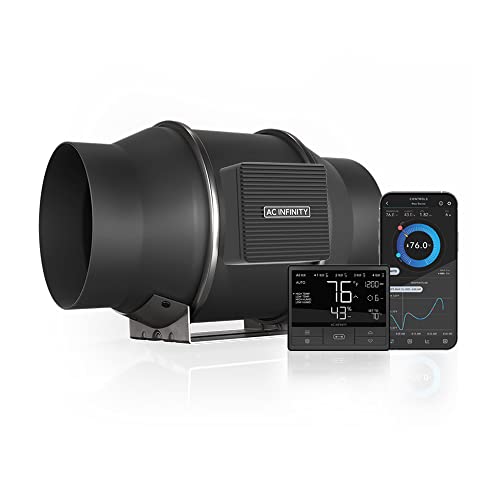
The AC Infinity CLOUDLINE PRO T6 is a robust inline duct fan designed for ventilation and climate control in attic or utility spaces. It excels in transferring heated air or cooling air between rooms and into storage areas. With a WiFi-enabled app, users can program temperature and humidity targets, set timers, and manage grow cycles or HVAC automation. This option is ideal when you want to augment an existing cooling system in an attic by creating a controlled airflow pathway that improves overall comfort and reduces hot spots.
Reference features: inline duct ventilation, temperature/humidity programming, WiFi app access, timers and automation, suited for heating/cooling transfer, and odor control in enclosed attic spaces. It’s a more infrastructural approach than a standalone window unit, suitable for attics with ducting or shared HVAC adaptations.
COOLECH Windowless Evaporative Cooler For Attics
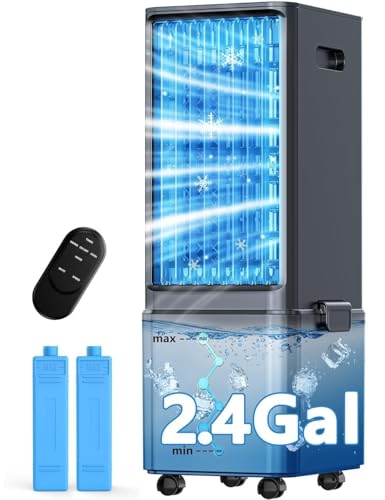
The COOLECH Windowless Evaporative Cooler is a versatile option for attic cooling without window installation. It combines three modes—cooling, normal, and sleep—with three wind speeds to adapt to attic heat levels and moisture. A waterless alert system helps prevent dry runs and ensures safe operation. This unit is particularly suitable for dry climates where adding moisture to the air improves comfort, making it a good match for attics in hot, arid regions. The compact footprint allows placement in tight attic corners while delivering meaningful cooling relief.
Reference features: 4 modes (Cooling/Normal/Sleep/Nature), 3 wind speeds, waterless alert system, 15+ hour cooling potential, remote control compatibility. Note that evaporative cooling adds moisture to the air, which can be beneficial in dry climates but may be less effective in high-humidity attic spaces.
GE Window AC 5,000 BTU For Small Attics

The GE Window Air Conditioner Unit is a compact 5,000 BTU model designed for small rooms and attic nooks with window access. Its mechanical settings provide straightforward control for cooling, alongside a quiet operation profile suited to bedrooms and compact attic spaces. The included install kit simplifies mounting, which is especially helpful in attic setups with awkward or nonstandard windows. While best for smaller attics, this unit is a dependable, energy-conscious option that delivers reliable comfort without heavy installation or ducting needs.
Reference features: 5,000 BTU cooling capacity, small-room suitability (up to ~150 sq ft), mechanical controls, easy install kit, low-noise operation, window mounting compatibility. It’s a practical choice for attic spaces that already have window access or where a temporary, non-ducted solution is preferred.
Midea 8,000 BTU Smart Inverter Window Unit With Heat

The Midea 8,000 BTU smart inverter window unit combines cooling, heating, and dehumidification for year-round comfort in attic spaces up to 350 square feet. Energy Star-rated with a variable-speed inverter, it adjusts cooling output to reduce energy usage while maintaining steady comfort. Features include LED display, multiple modes (Heat, Auto, Cool, Dry, Fan), a 24-hour timer, and app/voice control via smart home platforms. The unit’s heat function is suitable for cooler attic nights, extending usability beyond peak summer months.
Reference features: 8,000 BTU cooling with heat capability, Energy Star inverter technology, multiple modes and timer, remote/app/voice control, recommended for larger attic spaces up to 350 sq ft. The combination of heating and cooling makes it a flexible attic climate solution, albeit potentially higher upfront installation considerations for window spaces.
Buying Guide: Attic Cooling Considerations
- Space and layout: Attics vary in ceiling height and window placement. Portable units require floor or window access, while evaporative coolers and inline duct solutions benefit from duct routing and venting strategies.
- Climate and humidity: In dry climates, evaporative coolers can be effective but add moisture. In humid regions, you may prefer refrigerant-based portable or window units to avoid additional humidity.
- Noise tolerance: For bedrooms or living areas near the attic, consider models with quiet operation or noise isolation features (e.g., 46dB or lower).
- Energy efficiency: Look for inverter technology or energy-efficient ratings to reduce consumption in attic cooling, especially if the attic is a year-round space.
- Humidity and drainage: Portable units may require drainage or drainage-free designs. Evaporative models often rely on water reservoirs or internal pump systems—verify what suits your attic ventilation and maintenance preferences.
- Installation and maintenance: Window units are simpler to install with an add-on kit; portable units offer flexibility but require space. Inline duct fans require ducting work but provide broader climate control for larger attics or attached rooms.
- Smart features: App or voice control can simplify operation across multi-room homes. Look for scheduling, temperature automation, and remote access to optimize comfort and energy use in attic environments.
- Safety and durability: Ensure units are rated for extended operation in high-heat spaces and check for sturdy casings and stable footing in attic floors to prevent vibration or creep.
When choosing, weigh primary needs—rapid cooling for peak heat, steady year-round comfort with heating, or a balance of both—with the attic’s structural and environmental constraints. The selections above offer a spectrum from portable and compact to duct-ready systems, enabling you to design an attic cooling plan that fits your space and budget.