Finding the right air conditioning system for an RV or trailer involves balancing power, efficiency, and space. This guide reviews five top-rated 12V–110V solutions, highlighting cooling power, energy use, and installation considerations. Each option is suitable for campers, travel trailers, and motorhomes, helping you choose the best fit for off-grid adventures or traditional hookups.
| Product | Brand | Cooling (BTU) | Type | Notes |
|---|---|---|---|---|
| RV Air Conditioner, 12V 10000 BTU Rooftop | outequip | 10,000 | Rooftop, Non-Ducted | Low profile, battery-powered option |
| RecPro RV Air Conditioner 15K | RecPro | 15,000 | Ducted/Non-Ducted | Low amp draw, quiet operation |
| TOSOT 16000 BTU GO Cool | TOSOT | 16,000 | Rooftop, Non-Ducted | WiFi control, heat pump capable |
| Furrion Chill Cube 18k BTU | Furrion | 18,000 | Rooftop, Ducted | High efficiency, turbo mode |
| Treeligo 7,900 BTU | Treeligo | 7,900 | Rooftop, Non-Ducted | Ultra-quiet, energy‑efficient |
The five products below were selected for a balance of cooling capacity, energy efficiency, and practical installation in common RV and trailer layouts. Each section provides a concise overview, key features, and considerations to help you compare options quickly.
RV Air Conditioner 10k BTU Rooftop From Outequip

The 10,000 BTU unit is designed for compact spaces, cooling RV interiors quickly. It includes a 4,500 BTU PTC heater for auxiliary warmth in mild conditions, though it should not be used as the primary heat source in very cold weather or larger spaces. Built with UV-stabilized ABS and a zinc-coated condenser, it emphasizes weather resistance and durability for outdoor use. This model aims for efficient cooling in shorter cycles and lighter roof profiles, suitable for lighter trailers and smaller RVs.
RecPro 15K RV Air Conditioner

This 15,000 BTU unit offers flexible ducting options (ducted or non-ducted) and is engineered for low amperage draw, supporting off-grid setups with solar or generators. Its durable UV-resistant housing and aerodynamic design minimize drag and withstand exposure to the elements. With a quiet operation level, it aims to balance potent cooling with a comfortable interior noise profile for sleepers and working occupants aboard. Installation is designed to be straightforward for retrofit into many RV configurations.
TOSOT 16,000 BTU GoCool RV AC

The GoCool series delivers 16,000 BTU of cooling with a robust 12,500 BTU heating capacity, targeting RVs up to 600 square feet. It supports smart control via WiFi through the Gree+ app, enabling convenient temperature management from a smartphone. The unit is designed to perform across a wide outdoor temperature range, helping maintain comfort in hot summers and seasonally cooler conditions. It’s positioned for larger RVs and longer travel trailers seeking stronger climate control.
Furrion Chill Cube 18K RV Rooftop AC

The Chill Cube 18,000 BTU unit emphasizes high efficiency with dual compressors and a turbo cooling mode. It is designed for RVs requiring substantial cooling power while aiming for quieter operation relative to some traditional rooftop units. The system is a lighter-weight option in ducted configurations and relies on a higher cooling capacity to quick-chill larger interior spaces. It is compatible with standard rooftop installations and complements modern off-grid setups when paired with appropriate power sources.
Treeligo 7,900 BTU RV Air Conditioner
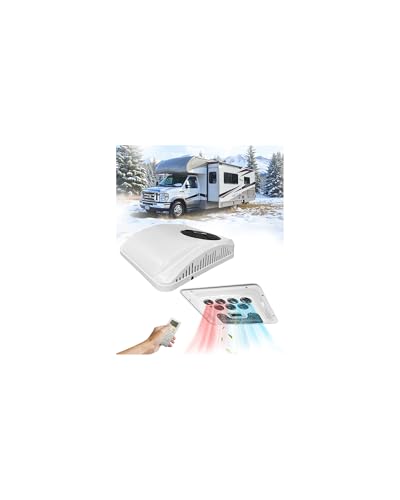
The Treeligo unit offers 7,900 BTU of cooling with an emphasis on quiet operation and energy efficiency. It is a non-ducted rooftop model designed for campers and travel trailers with smaller interiors or those prioritizing low-noise performance. The product highlights include easy installation, reliable cooling, and a compact footprint suitable for limited roof space. It suits lighter RVs and trailer setups where space and power resources are at a premium.
Buying Guide: Key Purchase Considerations And Comparisons
When selecting an RV or trailer air conditioner, consider these factors to align with your travel plans and power availability:
- Rooftop versus through-wall: Rooftop units save interior space but may require more roof clearances and structural work. Through-window or portable options can be easier to install in some cases but may affect insulation and security.
- BTU and space: Larger interiors benefit from 15,000–18,000 BTU, while smaller trailers may be comfortable with 7,900–10,000 BTU. Match BTU to the interior area and climate expectations to avoid over- or under-conditioning.
- Power source and efficiency: 12V DC, battery compatibility, solar readiness, and generator compatibility influence off-grid viability. Look for units with low amp draw and energy-saving modes to maximize uptime between charges.
- Heat pump capability: If heating is desired in shoulder seasons, models with integrated heat pumps can provide year-round comfort, though performance depends on outside temperatures and indoor space.
- Noise and comfort: Quieter units improve night-time sleep and daytime concentration. Check dB ratings and consider fan speeds and compressor technology.
- Durability and weather resistance: UV-stabilized housings, corrosion-resistant condensers, and gasket materials help extend life in harsh environments and frequent exposure to outdoor elements.
- Installation and compatibility: Confirm roof size, mounting hardware, ducting requirements (ducted vs non-ducted), and whether the unit includes or requires additional components (digital remotes, thermostats, adapters).
- Warranty and service: A robust warranty and accessible service network can reduce lifecycle costs and downtime during trips.
These considerations help balance upfront cost, operating costs, and long-term reliability. For off-grid travelers, prioritizing low amp draw, battery compatibility, and reliable cooling performance under varied outdoor conditions is essential. For RVs with generator access and hookups, power considerations may be less restrictive, enabling higher BTU choices for maximum comfort in southern climates.