Outdoor enthusiasts often need reliable cooling for tents, campers, and small shelters. The following portable air conditioners are designed for compact spaces, low power draw, and easy transport. Below you’ll find concise overviews, key features, and practical use considerations to help you choose the right unit for your next camping trip or vanlife adventure.
| Product | Brand | Approx. Cooling Area | Power Type / Notes |
|---|---|---|---|
| Portable Air Conditioner, 3400 BTU | WISHILO | 64–86 sq ft | AC powered, compact design |
| 5200BTU Portable Air Conditioner | bancol | ~140 sq ft | Powerful, multiple modes |
| EnjoyCool Portable Air Conditioner | EnjoyCool | 13–43 sq ft (typical small spaces) | Lightweight, quiet operation |
| COOLECH Windowless Air Conditioner | COOLECH | Portable evaporative cooling for small rooms | Waterless alert, 4 modes |
| CYBERTAKE Portable Air Conditioner | Generic | tents, RVs, small spaces | 3-in-1 with low power consumption |
Note: Each unit has unique setup requirements, including ventilation or exhaust considerations. Always follow the manufacturer’s guidelines for safe use and ensure adequate airflow in the camping environment.
WISHILO 3400 BTU Tent AC Review

The WISHILO portable AC unit delivers quick cooling with a built-in Panasonic compressor. It claims to start cooling within minutes without needing water or ice and covers 64–86 square feet, suitable for a two-person tent. In Turbo Mode, it can lower the temperature by about 18°F (10°C) in 15 minutes. Temperature control ranges from 60°F to 88°F (16°C–30°C). It’s compact for its cooling capacity, with dimensions around 22.4 × 11.2 × 13.8 inches and a 33-pound weight. The design targets tent setups, small rooms, and vans, with a focus on reliable U.S. support and a 1-year warranty. The company emphasizes an advanced airflow system that can extend reach up to 10 feet, helping users cooling in hot outdoor conditions.
Key considerations: ensure proper ventilation of heated air, verify available power sources, and plan for maintenance and spare parts in transit. The unit is designed for portability and quick response, making it a practical choice for camping trips and tight spaces where traditional window AC isn’t possible.
Bancol 5200 BTU Camping Tent AC

The Bancol unit offers up to 5200 BTUs of cooling, designed to handle about 140 square feet, with a power rating under 400W. It features a GMCC compressor, a broad temperature range of 60°F–88°F (16°C–30°C), and a built-in handle that makes it easy to transport—roughly 33 pounds with dimensions near 22.5 × 11.8 × 13.7 inches. Four modes (Cool, Dry, Sleep, and Fan) plus a 24-hour timer and remote control support flexible operation in a tent or small RV space. Noise levels in sleeping mode are reported as relatively low, contributing to comfortable overnight use.
Considerations include ensuring adequate exhaust ventilation, awareness of water management where applicable, and checking compatibility with power sources in remote camping environments. Its portability and range of modes make it versatile for varied outdoor scenarios.
Dreo 12000 BTU Portable AC for Rooms

Dreo offers a high-capacity portable air conditioner designed for larger spaces, with 12000 BTU ASHRAE (8000 BTU DOE) efficiency and quiet operation (around 45dB in certain modes). While this model targets room use, its cooling power can be informative for understanding how portable units scale for tents or larger camp setups. Features include app control, remote, dehumidifier, and a self-evaporating system that minimizes drainage needs. If adapting for tent use, consider energy requirements, power availability, and whether the unit’s size and weight align with your camping setup. It’s a benchmark for performance in a mobile lifestyle.
Practical notes: this option is heavier and bulkier than tent-specific units, so it’s more suitable for larger camp arrangements or vehicle cabins rather than traditional backpacking tents.
COOLECH Windowless Air Conditioner
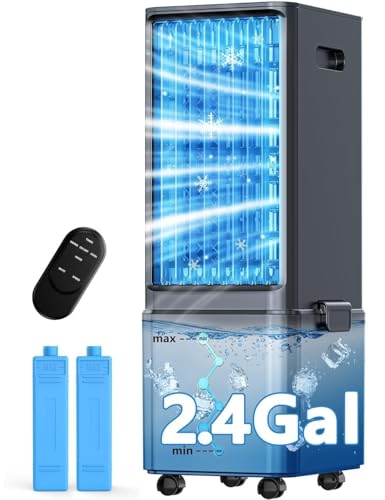
COOLECH markets a windowless evaporative cooler with four modes and three speeds, delivering 12 possible cooling configurations. It includes a 2.4-gallon tank with a 20-foot remote, designed for portable use in bedrooms, tents, and similar spaces. A notable feature is the waterless alert system, which signals when water or coolant needs attention, and it automatically switches to Natural Wind Mode when water is depleted. This approach helps maintain comfort in dry climates without complex drainage. The unit emphasizes evaporative cooling, which can be advantageous in arid outdoor environments but works best with adequate humidity control.
Important considerations include the trade-off between evaporative cooling and traditional refrigeration, energy efficiency in dry conditions, and ensuring there is sufficient airflow to maximize evaporative effectiveness. It’s a practical option for dry-weather camping where you want a lightweight, low-maintenance cooling solution.
CYBERTAKE 3-in-1 Portable AC

The CYBERTAKE unit combines cooling, dehumidification, and fan modes in a compact 3300 BTU system. It uses a 48V compressor and an efficient smart inverter algorithm to limit power consumption—about 100W per hour in sleep mode, enabling extended battery runtime for off-grid use. The system offers flexible power options, including AC, DC via battery boost converters, portable power stations, solar options, and vehicle charging, making it adaptable for tents, RVs, or home use. A 90-degree adjustable vent helps direct airflow to the desired area. Quiet operation and portability are emphasized, making it a versatile choice for enthusiasts who need reliable cooling without heavy power requirements.
Usage notes: verify compatibility with your power source, consider the overall weight, and assess whether a 3-in-1 unit meets your primary cooling needs (versus standalone fans or dedicated tent coolers). Its energy-conscious design is suitable for microclimate control during extended outdoor stays.
Buying Guide: Key Purchase Considerations
- Space and cooling power: match BTU or equivalent cooling capacity to the tent or shelter size. Smaller tents can benefit from units in the 2000–5000 BTU range, while larger spaces may require more power.
- Power source and consumption: evaluate whether you’ll rely on AC power, battery packs, or a vehicle power outlet. Portable units with low wattage and battery-friendly operation are ideal for off-grid use.
- Ventilation requirements: many tent-compatible units require proper exhaust or ventilation to expel warm air. Plan for a vent path or windowless design that suits your setup.
- Noise level: look for models with quiet operation, especially for sleep comfort. Ratings around 40–50 dB in cooling or sleep modes are preferable for tents.
- Weight and portability: for backpacking or car camping, lighter units with handles and compact dimensions are crucial. For vehicle-based camping, a heavier unit may be acceptable if space allows.
- Durability and warranty: consider a product with a robust build, corrosion resistance, and a reasonable warranty, especially if you frequently travel to dusty or rugged environments.
- Maintenance and support: check for easy maintenance, availability of spare parts, and accessible customer service, particularly for off-season storage and repairs.
- Mode variety: four-mode (Cool, Dry, Sleep, Fan) options provide flexibility for different climates and activities. Evaporative coolers work best in dry environments, while compressor-based units excel in humid or hot conditions.
- Portability vs. power: higher BTU units may be powerful but bulkier. Balance cooling needs with how you’ll transport the unit to the campsite.