Finding the right air conditioner for an RV can be a balance of cooling power, energy efficiency, and ease of installation. This guide highlights five top-rated RV air conditioning units that cater to different RV sizes, off-grid setups, and installation preferences. Each option emphasizes reliability, performance, and quiet operation to keep your adventures comfortable—whether you’re parked in a campground or boondocking off the grid.
Summary Of Chosen Products
- Furrion Chill Cube 18k BTU RV Rooftop AC (White) — High efficiency, ducted, 18,000 BTU, turbo cooling mode.
- TOSOT 16000 BTU GO Cool RV Air Conditioner — Heat pump, WiFi control, suitable for 600 sq ft spaces.
- RV Air Conditioner, 12V 10,000 BTU Rooftop — Battery-powered option with heater, low-profile design.
- RecPro RV Air Conditioner 15K (Ducted or Non-Ducted) — Quiet operation, low amp draw, durable build.
- FOGATTI InstaCool 13,500 BTU RV AC — Quiet, all-in-one design for campers and trailers.
Furrion Chill Cube 18k BTU RV Rooftop AC — White

The Furrion Chill Cube 18k BTU is designed for higher cooling capacity with variable speed compressors, delivering more air movement and faster cooling for RV interiors. This unit is described as easy to install with bolt-on mounting and a step-by-step guide, though installation components may be sold separately. It’s noted for higher efficiency compared with typical RV air conditioners, potentially extending battery life during off-grid trips. The unit is suitable for ducted systems and targets campervans and similar RV configurations that benefit from robust cooling in variable climate conditions.
TOSOT 16000 BTU GO Cool RV Air Conditioner

The TOSOT GoCool system combines cooling with heating, offering 16,000 BTU for cooling and 12,500 BTU for heating, covering larger RV spaces up to about 600 square feet. It includes smart WiFi control via the Gree+ app for convenient, remote operation. This model is designed to work across a wide outdoor temperature range, making it adaptable for diverse climates encountered on extended RV trips. The unit’s versatility makes it a strong option for those who need both heating and cooling in one appliance.
RV Air Conditioner, 12V 10,000 BTU Rooftop (Heater) — Low-Profile

This 12V option provides 10,000 BTU of cooling for RV rooftops with a compact, low-profile design and integrated heater capabilities. It is described as efficient for quick cooling (about 15 minutes) and includes a 4,500 BTU heater for milder conditions, though it’s not intended as a primary heat source in extreme cold. Built to withstand outdoor environments, the unit uses UV-stabilized materials and durable gaskets, making it suitable for rugged RV life and off-grid adventures where energy efficiency matters.
RecPro RV Air Conditioner 15K (Ducted or Non-Ducted)

The RecPro 15K unit is available in ducted or non-ducted configurations with a focus on low power consumption and quiet operation. It’s described as energy-efficient with low amp draw, which is helpful for solar and generator-based setups. The physical build emphasizes durability with UV-resistant plastics and an aerodynamic profile designed to reduce drag. The model is suited for a range of RV layouts including campers, fifth wheels, and food trucks, offering flexible installation and reliable performance with a relatively quiet noise footprint for restful living spaces.
FOGATTI InstaCool 13,500 BTU RV AC
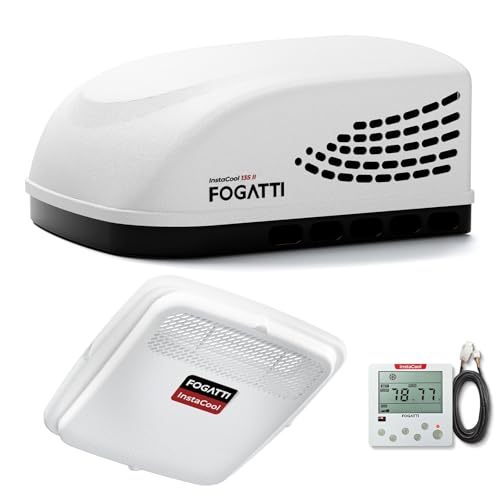
FOGATTI’s InstaCool unit offers 13,500 BTU of cooling in an all-in-one rooftop design, geared toward quick chilling with eco-friendly R32 refrigerant. It emphasizes rapid cooling and smart energy balance through advanced fans and temperature regulation. The installation is described as straightforward, with an emphasis on compatibility with typical RV roof setups. The unit is positioned as a quieter alternative with efficient performance for campers and trailers seeking dependable comfort without excessive energy use.
RecPro RV Air Conditioner 13.5K (Non-Ducted)

This RecPro option focuses on a 13.5K BTU cooling output with a non-ducted configuration, designed for simple installations and cooling efficiency. It highlights a low amp draw to support off-grid setups and features a durable, UV-resistant exterior. The unit’s design aims to fit a broad array of RV roof shapes while maintaining quiet operation comparable to a light rain, making it a practical choice for RV travelers balancing power and comfort on longer trips.
Buying Guide: Key Purchase Considerations For RV AC Units
- Cooling capacity vs. RV size: Match BTU ratings to the interior space. Larger RVs require higher BTU units, while smaller campers can run efficiently on mid-range models.
- Heat and cold versatility: If you need both cooling and heating, consider units with heat pump functionality or dual-mode operation. WiFi and app control add convenience for remote adjustments.
- Energy efficiency and power source: Low amp draw is crucial for off-grid setups. For 12V or solar-powered systems, efficiency directly impacts battery runtime and comfort.
- Installation type: Ducted vs. non-ducted configurations affect airflow and compatibility with your RV’s existing ductwork. Some units are easier to install with bolt-on mounting and provided guides.
- Noise levels: Quiet operation improves sleep and daily living inside the RV. Look for dB ratings or user-reported quiet performance.
- Durability and materials: UV-resistant housings and weather-resistant seals help units withstand road travel and outdoor exposure.
- Climate adaptability: Consider outdoor temperature ranges and indoor comfort settings. A unit that performs well in both extreme heat and mild winters offers more versatility.
- Smart features: WiFi control, mobile apps, and programmable scheduling can simplify climate management during travel and camping.
- All-in-one vs. modular systems: All-in-one rooftop units are convenient, while modular or unit-only options may pair with separate air handlers or ducting in custom builds.
In selecting an RV air conditioner, consumers should assess their vehicle size, typical climate, power availability, and whether they value rapid cooling, heating capability, or quiet operation. The options highlighted here reflect a range of capacities, control features, and installation styles to support informed decisions for American campers and road-trippers.