Windows that slide or casement open sideways offer unique installation options for room cooling. This guide highlights top window air conditioners designed for casement or slider windows, including models with smart features, energy efficiency, and flexible mounting. Explore units that fit sideways-opening windows, with notes on installation, noise, and energy use to help you choose the right fit for your space.
Summary of Selected Products
- PerfectAire 10,000 BTU Slider Air Conditioner – Casement, 10000 BTU, Gray
- Midea 8,000 BTU U Shaped Smart Inverter Window Air Conditioner – Cools 350 Sq Ft
- Midea 8,000 BTU Smart Inverter Window Unit With Heat – Cools Up To 350 Sq Ft
- Midea 12,000 BTU Smart Inverter Window Unit With Heat – Cools Up To 550 Sq Ft
- Midea 10,000 BTU U Shaped Smart Inverter Window Air Conditioner – Cools 450 Sq Ft
PerfectAire 10,000 BTU Slider A/C For Casement Windows
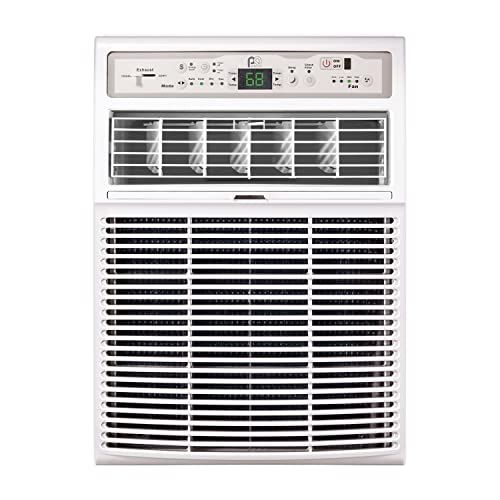
The PerfectAire model is designed for casement and slider windows, featuring an expandable mounting kit that fits a range of window sizes (up to about 21¼”–39½” height and 15½”–16¼” width). It provides 3 cooling speeds and fan modes, with a temperature range from 62°F to 86°F (17°C–30°C). Its higher capacity makes it suitable for mid-sized living spaces up to 450 square feet, delivering steady cooling with practical installation for sideways-opening windows.
Midea 8,000 BTU Smart Inverter Window Unit With Heat

This 8,000 BTU Midea unit adds heating, making it a year-round option for spaces up to 350 square feet. It features five modes (Heat, Auto, Cool, Dry, Fan) and a 24-hour timer, along with Eco energy saver settings. The inverter technology promises energy efficiency and quieter operation, with smart control via a mobile app or voice assistants like Alexa and Google Assistant. The unit is a versatile choice for rooms that need cooling in summer and supplemental heat in cooler months.
Midea 8,000 BTU U Shaped Smart Inverter Window AC

The U-shaped design is optimized for minimal exterior noise intrusion and interior vibration, delivering ultra-quiet operation (as low as 32 dBA). It provides over 35% energy savings thanks to advanced inverter technology and ENERGY STAR certification. With Wi-Fi control, it supports voice assistants and the SmartHome app for remote management, ideal for bedrooms or living spaces where airflow flexibility matters in sideways-window setups.
Midea 12,000 BTU Smart Inverter Window Unit With Heat

Designed for larger areas up to 550 square feet, this 12,000 BTU unit offers heat and dehumidification alongside cooling. It features a control panel, remote, and app/voice control compatibility with Alexa and Google Assistant. Variable-speed inverter technology provides energy savings—up to 35%—compared to traditional window units, and the front-access washable filter helps maintain performance. Note that heat pump operation may be limited by outdoor temperatures above 41°F.
Midea 10,000 BTU U Shaped Smart Inverter Window AC
Another U-shaped model, this 10,000 BTU unit focuses on quiet operation and energy efficiency with the Smart Inverter system. It cools spaces up to about 450 square feet, supports smartphone control and voice assistants, and emphasizes reduced noise through its design. Like other Midea units, it targets energy-conscious consumers seeking a balance of performance and convenience for sideways-opening windows.
Midea RMW05MWB (Renewed) 5,000 BTU Window AC
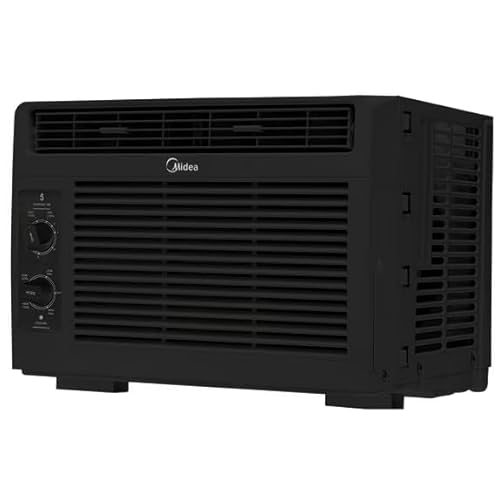
This renewed model provides a more compact option for smaller rooms up to 150 square feet. It offers two cooling modes, two fan speeds, and seven temperature settings, delivering flexible comfort with modest energy use. The compact footprint and sideways-window compatibility make it a practical pick for tight spaces or retrofit installations where a larger unit is not feasible.
Buying Guide: Key Considerations For Sideways-Opening Windows
Window Type and Compatibility
Casement and slider windows require different mounting approaches. Look for units with adjustable or expandable mounting kits and side panels designed to seal around sideways-opening sashes. Measure minimum and maximum window width and height to ensure a snug fit and proper sealing to prevent air leaks.
Cooling Capacity And Room Size
BTU ratings indicate cooling power. Choose a unit that matches your room size (roughly 20 BTU per square foot for standard climates, adjusted for climate, sun exposure, and insulation). For casual spaces, 8,000–12,000 BTU units cover mid-sized rooms efficiently; larger rooms may need 12,000 BTU or more.
Energy Efficiency
Look for ENERGY STAR listings and inverter/compressor technology. Inverter models adjust output to match demand, reducing energy consumption and operating noise. Energy efficiency matters for long-term utility costs and environmental impact.
Noise Levels
Low-noise operation is essential for bedrooms and study areas. U-shaped window designs can reduce exterior noise entry, while modern inverter units often operate at 30–40 dBA on low settings. Check dBA ratings and user reviews for real-world performance.
Smart Features and Control
Wi-Fi, app control, and voice assistant compatibility (Alexa/Google Assistant) add convenience, especially for multi-room setups. Ensure your home network supports the chosen units and that installation allows for remote monitoring and scheduling.
Heating and Dehumidification
Some units offer built-in heating or dehumidification, which adds year-round functionality. Heat compatibility depends on outdoor temperatures and climate; read product notes for operating temperature ranges to avoid inconsistent performance in extreme cold.
Installation And Maintenance
Expandable mounting kits, sealing strips, and easy-access filters simplify installation on sideways-opening windows. Regular filter cleaning and occasional coil maintenance maintain efficiency and longevity. Consider models with front-access filters for easier cleaning.
When evaluating options, compare the combination of window adaptability, cooling capacity, energy efficiency, noise, and smart features. For households with sideways-opening windows, U-shaped designs and casement-friendly mounts often offer the best balance of performance and fit, while inverter technology helps conserve energy and reduce running costs over time.