Choosing an air purifier that integrates with a central HVAC system can help improve indoor air quality across your home or office. The products below are designed to work with or alongside HVAC setups, offering features like high-efficiency filtration, UV-C disinfection, and easy installation. This guide highlights five options with strong performance, suitable for large rooms, ducted systems, or whole-house enhancements. Each entry includes a quick overview, key features, and practical considerations for HVAC integration.
Summary of Selected Products
| Product | Brand | Coverage / Use | Key Feature |
|---|---|---|---|
| Air Purifiers for Home Large Room up to 3000sq.ft | LUNINO | Large rooms up to 3000 ft² | Double-sided intake with washable filter |
| REKO Lighting R2000 Air Purifier | REKOLIGHTING | HVAC duct installation | UV-C 253.7 nm in duct |
| Air Health Haven HVAC Purifier (16″ UV-C) | air+health | HVAC ducts, coils | 16″ UV-C disinfection |
| Air Health Haven Plus HVAC Purifier | air+health | HVAC ducts, VOCs | UV-C, PCO and carbon filtration |
| PuroAir 240 HEPA | PuroAir | Large room cleaning, up to 1000 sq ft | Three-layer filtration, high CADR |
Air Purifiers for Home Large Room Up to 3000sq.ft

LUNINO presents a dual-side intake air purifier designed for large spaces, claiming up to 3000 ft² coverage. The unit uses a triple-stage filtration system with a washable pre-filter, HEPA stage, and activated carbon to capture PM2.5, odors, smoke, and pollen. A notable feature is the washable pre-filter, which reduces ongoing filter costs by enabling easier maintenance. The product targets households with pets, kids, or heavy pollution sources, offering rapid air cleaning with its two-sided intake design.
Key considerations for HVAC integration: ensure duct or room placement aligns with the purifier’s intake/outlet configuration, verify airflow rates to prevent pressure imbalances, and schedule regular pre-filter cleaning to maximize efficiency. While designed for large-area use, confirm compatibility with your specific HVAC setup, especially regarding ducted versus standalone operation. The model emphasizes fast purification in busy spaces with a strong emphasis on washable components.
REKO Lighting R2000 Air Purifier For Duct
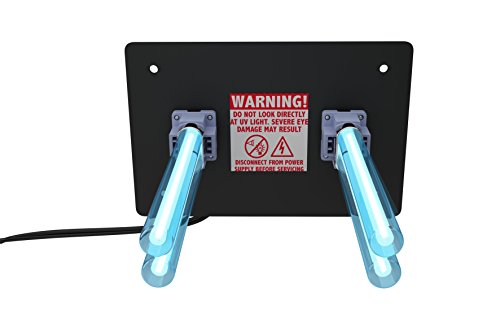
The REKO Lighting R2000 is designed for in-duct installation, bringing UV-C disinfection directly to the HVAC airflow. The system uses European-made UV-C bulbs, delivering UVC at 253.7 nm to reduce microbial load as air moves through the duct. This approach aims to inactivate bacteria and viruses at the point of conditioning, supporting cleaner air before it circulates into living spaces. Installation considerations include duct compatibility, electrical supply, and proper sealing to avoid leaks that could bypass filtration.
Performance notes: UV-C in ducts can complement filtration by addressing microbial contaminants that pass through conventional filters. It is important to combine this with a robust filter stage for dust, pollen, and VOCs to address a broad spectrum of pollutants. Regular upkeep of UV-C bulbs is essential for sustained effectiveness and safety.
Air Health Haven HVAC Purifier 16″ UV-C

The Air Health Haven 16″ UV-C purifier integrates a large UV-C lamp within the HVAC air stream to target bacteria and mold. This option emphasizes in-duct disinfection, seeking to minimize biological contaminants as air travels through the system. The installation promises DIY-friendly steps, with mounting hardware and duct-adaptable components to attach to metal or duct board configurations. This approach can be paired with existing filtration to create a multi-layer defense for indoor air quality.
Practical considerations: UV-C effectiveness depends on air exposure time and lamp power. Ensure proper shielding and safety measures to prevent direct exposure to occupants. Combine with a suitable carbon or HEPA stage to address odors and particulates for a well-rounded HVAC air-cleaning strategy.
Air Health Haven Plus HVAC Purifier

The Air Health Haven Plus adds PCO technology and carbon filtration alongside UV-C to reduce VOCs, odors, and a broader range of contaminants in HVAC air. The combination aims to address chemical emissions from paints, cleaners, furnishings, and cleaning products, in addition to biological contaminants. Installation remains a DIY-friendly process, with emphasis on securing these components within the ductwork for optimal exposure to circulating air.
Considerations for HVAC users: PCO technology can interact with indoor chemistry in varying ways, so it’s important to verify compatibility with interior materials and occupants’ sensitivities. A carbon filter helps manage odors, but filter replacement and maintenance schedules should be planned to maintain performance over time.
PuroAir 240 HEPA Air Purifier

The PuroAir 240 HEPA purifier targets large rooms and offers a three-layer filtration system: pre-filter, HEPA, and activated carbon. It claims high CADR performance and the ability to capture up to 99.9% of common pollutants, including smoke, dust, pollen, and VOCs. For HVAC relevance, this unit can function as a powerful standalone purifier in adjacent rooms or be integrated into a ducted system with appropriate placement to maximize air turnover and filtration efficiency.
Operational notes: Ensure compatibility with your HVAC setup regarding duct connections and airspeeds. Regular filter maintenance is critical to sustain high filtration efficiency. While designed for large spaces, consider the purifier’s placement for best airflow and minimal bypass around cushions or furniture that could obstruct circulation.
Buying Guide: HVAC-Integrated Air Purifier Considerations
- Filtration vs. disinfection: For HVAC systems, combine effective filtration (HEPA and activated carbon) with optional disinfection (UV-C or PCO) to address particulates, odors, and microbial contaminants.
- HVAC compatibility: Confirm whether the purifier is designed for duct installation, return air paths, or standalone room use. Check duct sizing, mounting options, and electrical requirements.
- Airflow and coverage: Match device capabilities to the space size and HVAC air changes per hour (ACH). A higher ACH improves overall air quality but may require more powerful units or multiple devices.
- Maintenance and costs: Consider washable pre-filters and the long-term cost of filter replacements. UV-C bulb life and replacement intervals affect ongoing expenses and performance.
- Safety and EPA ratings: Look for units with credible validation, such as CARB compliance or AHAM VERIFIDE when applicable. This helps ensure performance claims are credible and safe for residential use.
- Odor and VOC control: Carbon filtration and, where appropriate, PCO or VOC-reducing features can help manage persistent odors from cooking, cleaners, or pets.
- Installation effort: Some options require professional installation, especially for duct-driven systems. DIY-friendly solutions can still deliver substantial benefits with proper planning.
- Noise levels: Larger HVAC installations may contribute to background noise. Check decibel ratings, especially for devices intended for bedrooms or living areas.
- Integration with smart homes: If desired, consider units with monitoring capabilities (air quality sensors, PM2.5 displays) to track performance and adjust usage automatically.
Overall, selecting an air purifier for HVAC contexts involves balancing filtration strength, disinfection capabilities, installation practicality, and ongoing maintenance. The listed options provide a range of approaches—from duct-installed UV-C systems to large-room purifiers with washable filters—allowing you to tailor a solution to your space, budget, and air-quality goals. For best results, consider combining a high-efficiency filter with UV-C or PCO disinfection and ensure regular maintenance to sustain indoor air quality improvements across your HVAC system.