Attic ventilation helps regulate indoor temperatures, reduce moisture, and protect roofing and insulation. The following air vents and attic vent fans are selected for varying spaces, from gable vents to soffit vents and shed applications. This guide highlights their core features to help you compare performance and installation needs.
| Product | Brand | Key Feature |
|---|---|---|
| Air Vent Gable Ventilator 53315 | Air Vent | 1050 CFM, 14″ blade, 1/12 HP |
| TVKJHG 2 Pack Soffit/Square Vents | TVKJHG | 2 vents, 6″ x 6″ openings, insect screen |
| Cool Attic CX1500 Gable Mount | Cool Attic | 14″ blade, thermostat control |
| Sel Natural 8″ x 12″ Vents 2 Pack | Sel Natural | Aluminum alloy, built-in screen |
| Zepoty 14″ x 20″ Aluminum Vent | Zepoty | Screened, paintable, robust airflow |
Air Vent Gable Attic Ventilator 53315
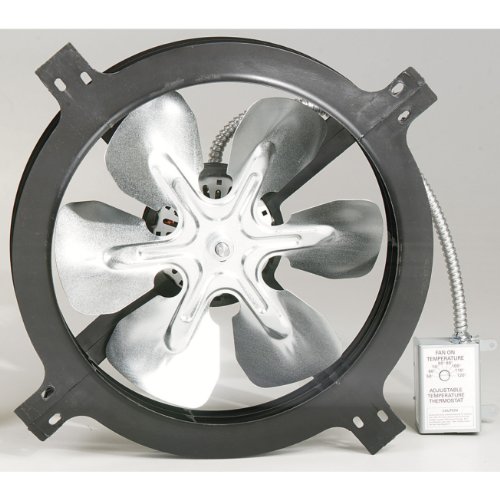
The Air Vent 53315 Gable Attic Ventilator is designed to move substantial air for attic and whole-house cooling. With a 1050 CFM rating, a 1/12 HP motor, and a 14″ fan blade, this unit supports rapid air exchange for larger spaces. The 180W system operates efficiently with a low current draw of about 3.2 amps. Suitable for gable mounting, it targets attic hot spots and helps reduce cooling loads by promoting exhaust airflow. Installation considerations include matching attic dimensions to airflow needs and ensuring proper wiring for thermostat or controls if used.
2Pcs Attic Vent Soffit Vents Aluminum Wall Vents

This listing includes two 6″ x 6″ vents designed for soffit or exterior door applications. Made from durable metal, these vents are suitable for attics, garages, sheds, and exterior walls. They provide a simple, low-profile ventilation path while supporting insect screening to minimize entry of pests. Installation requires aligning the vent opening with the attic or wall opening, followed by securing with the included screws or mounting hardware. They are ideal for rapid intake or exhaust ventilation in smaller spaces.
Cool Attic CX1500 Gable Mount Ventilator
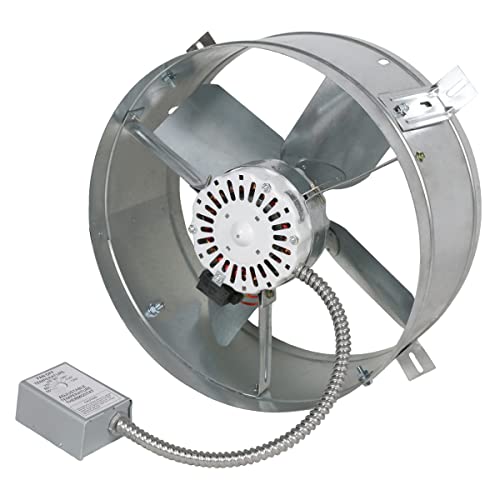
The Cool Attic CX1500 features a 14″ blade and a protective thermostat, enabling automatic operation to maintain comfortable attic temperatures. It can ventilate spaces up to about 1,850 square feet, making it suitable for larger homes or barns with attic heat buildup. The thermostat control helps optimize energy use by turning the fan on and off based on ambient temperature. Quiet operation minimizes household disruption while delivering strong exhaust performance, making it a solid option for year-round comfort.
Sel Natural 8″ X 12″ Aluminum Vents Pack

These 8″ x 12″ shed vents come in a two-pack with built-in screens and screws for straightforward installation. The aluminum alloy construction promises durability for attic, shed, or garage use, while the external square shape supports broad airflow exchange. The included screen helps deter insects, and the white finish provides a neutral aesthetic that blends with many exterior finishes. Balance the vent size with the attic opening to achieve effective cross-ventilation and moisture control.
Zepoty 14″ X 20″ Aluminum Attic Vent With Screen

The Zepoty 14″ x 20″ Aluminum Attic Vent combines a durable aluminum alloy body with a metal screen design to keep pests out while facilitating airflow. The unit is paintable, enabling customization to match siding and architectural style. Its vent opening measures 12″ x 18″, making it suitable for larger attic openings or walls that require improved cross-ventilation. This vent emphasizes both performance and aesthetic adaptability for homeowners seeking a tailored exterior look.
Buying Guide: Key Considerations For Attic Ventilation
- Ventilation type and space: Determine whether you need a gable vent, soffit vent, or powered attic fan based on attic size, ceiling height, and existing ducting. Larger spaces may benefit from higher CFM or multiple vents.
- CFM and airflow balance: Higher CFM improves air exchange but may require more power and proper electrical wiring. Pair intake and exhaust vents to create effective cross-ventilation.
- Thermostat and controls: Fans with built-in thermostats automate operation and save energy. Consider integration with home automation or existing HVAC controls if desired.
- Durability and material: Aluminum and stainless steel vents resist corrosion and weathering. Screens help prevent pests while reducing debris ingress.
- Installation considerations: Assess mounting location, roof or wall structure, and compatibility with existing openings. Check for insect screens, sealant needs, and mounting hardware.
- Noise and vibration: Look for models with quiet operation, especially for spaces near living areas. Louvers and blade design influence acoustic performance.
- Weather resilience: For outdoor vents, ensure designs shed rainwater and resist wind-driven moisture. Some models include rain guards or 45-degree louvers for performance during storms.
- Aesthetic integration: Some vents are paintable or come in neutral finishes to blend with siding. Consider color and style to maintain curb appeal.
When selecting attic vents, consider your climate, attic insulation level, and whether you prefer passive vents or powered fans. A balanced approach—combining intake and exhaust paths with appropriate controls—helps prevent heat buildup and moisture issues while supporting overall home comfort.