Choosing the right attic vent for a metal roof is essential for improving indoor comfort, extending roof life, and reducing energy costs. The following selections highlight robust designs that suit metal roofing, focusing on airflow performance, weather resistance, and ease of installation. This guide compares five top options, so you can balance venting effectiveness with durability in a single purchase.
| Product | Brand | Key Benefit | Airflow / Capacity |
|---|---|---|---|
| HY-GUARD EXCLUSION Vent Cover | HY-GUARD | Wildlife exclusion and vent protection | Not specified |
| ROOFIVENT IVENT ROTO Roof Turbine | ROOFIVENT LLC | High airflow with quiet operation | High airflow (design supports strong ventilation) |
| Duraflo 6050BL Roof Vent | Duraflo | UV resistance with anti-bird screen | Not specified |
| Ventamatic VX25BLK Static Dome Vent | Ventamatic | Energy savings and shingle protection | Not specified |
| CoVent Metal Roof Exhaust Vent | EAGLE 1 (Covent) | Leak-free metal roof compatibility | Not specified |
HY-GUARD EXCLUSION 16”x16” Roof VentGuard Cover

The HY-GUARD EXCLUSION Roof VentGuard Shield is a 16×16 inch galvanized steel cover designed to protect attic vents from wildlife, debris, and other intrusions. The 18-gauge expanded mesh provides a robust barrier, while a laser-cut mounting frame allows quick, professional installation. This model suits metal roof vents prone to animal intrusion, helping to preserve vent performance and reduce maintenance. The product emphasizes humane exclusion, ensuring that curious wildlife cannot cause damage while preserving proper venting function.
Master Flow GAF 1500 CFM Powered Roof Mount Attic Fan

This powered attic fan is designed for gable mounting and claims substantial cooling for spaces up to 2,800 square feet. With an airflow capacity up to 1,500 CFM and integrated HT1 thermostat/humidistat, it supports energy-efficient cooling and humidity control. The galvanized steel construction adds durability, while built-in screening helps protect against pests. It’s best for homes seeking active attic ventilation to lower attic temperatures and reduce cooling loads during hot seasons.
ROOFIVENT IVENT ROTO Roof Turbine

The ROOFIVENT IVENT ROTO is a 6-inch oblong-head turbine vent designed to maximize attic airflow. Its aerodynamic profile aims to deliver superior ventilation with minimal noise. The turbine also features an integrated condensation drainage system to prevent moisture buildup and frost, maintaining efficiency across weather conditions. This solution is well-suited for metal roofs where wind-driven ventilation and moisture control are priorities.
Duraflo 6050BL Roof Vent
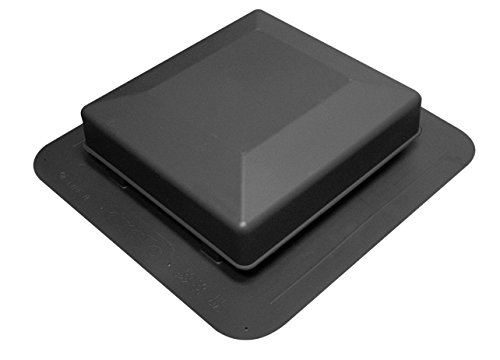
The Duraflo 6050BL is a black roof vent with 50 square inches of vent area and built-in UV resistance. It incorporates a molded-in screen and an angled design intended to deter birds from nesting. For metal roofs, this vent provides a low-profile option that maintains weather sealing while supporting continuous attic ventilation. Its durable construction and bird-deterring features make it a practical choice for long-term outdoor exposure.
Ventamatic VX25BLK Static Dome Vent

The VX25BLK from Ventamatic features a static galvanized steel dome and flange in a black finish. It is designed to promote steady attic airflow while helping to extend shingle life by protecting roofing components. The dome shape provides weather resistance and a clean exterior look, making it a suitable choice for metal roofs that require durable, low-maintenance venting with consistent airflow.
CoVent Metal Roof Exhaust Vent Kit (EAGLE 1)
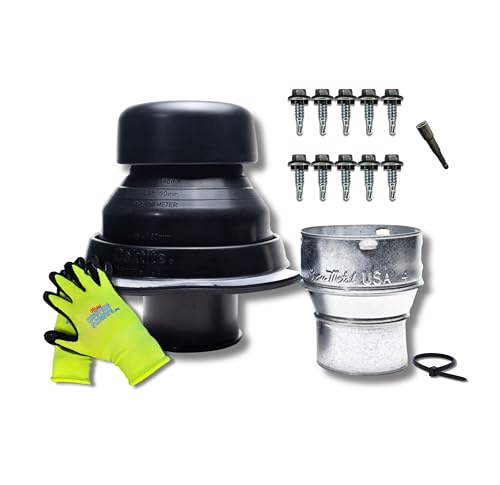
The Covent CoVent exhaust vent is designed for metal roof installations, offering a full installation kit and an adapter. It emphasizes compatibility with 3- or 4-inch flex hoses and includes a Deks Pipe Boot Flashing to prevent leaks on metal roof panels. This product targets interior exhaust needs, such as bathroom or attic venting, and is available in gray and black to suit various roof aesthetics. It focuses on a leak-resistant connection for metal roofs.
Buying Guide: Key Considerations For Metal Roof Vents
- Roof compatibility: Metal roofs require vents that seal well against metal panels and flashing. Look for flashing systems or boot options designed specifically for metal roofs to prevent leaks.
- Airflow and capacity: Attic ventilation effectiveness depends on CFM (for powered vents) or the vent’s overall airflow capacity. Larger spaces and higher ceilings benefit from higher airflow or multiple vent placements.
- Durability and weather resistance: Choose vents with galvanized steel, powder-coated finishes, or corrosion-resistant materials to withstand snow, rain, and coastal exposure. Locking mechanisms and durable mesh reduce debris intrusion and pest access.
- Animal and debris protection: Wildlife exclusion devices, bird screens, and robust mesh help prevent nesting and block debris from clogging vents, preserving performance over time.
- Noise and vibration: Turbine vents may produce some wind-related noise; consider quieter designs if the vent is near bedrooms or living spaces. Look for dampening features where available.
- Ease of installation: Pre-drilled mounting frames, clear hardware, and flexible flashing options speed up installation on metal roofs and reduce professional labor time.
- Moisture management: Condensation drainage and vent design that minimizes standing moisture help prevent frost buildup and maintain efficiency in colder seasons.
- Energy efficiency: Powered attic fans should feature thermostats or humidistats to optimize operation, reducing unnecessary cooling costs when attic temperatures are already comfortable.
- Aesthetic and finish: For visible exterior vents, consider color-matching or finishes (black, gray, etc.) that complement metal roofing while maintaining performance.
- Maintenance needs: Favor vents with simple maintenance procedures, easy cleaning access, and durable filters or screens for long-term reliability.
When selecting attic vents for metal roofs, balance airflow requirements with weatherproofing and wildlife protection. The best choice often combines robust construction, appropriate leakage prevention, and installation options that align with your roof’s panels and flashing. This approach helps sustain attic health, reduce energy use, and extend the life of the roof system.