Attic ventilation plays a crucial role in preventing moisture buildup and maintaining consistent roof temperatures. Baffle vents guide airflow from soffits into the attic while keeping insulation out of the vent path. This guide reviews top baffle vent products to help homeowners select reliable, easy-to-install options that fit common rafter sizes and climate needs.
Summary of chosen products:
| Product | Rafter Size | Key Benefit | Brand | Link |
|---|---|---|---|---|
| Cardboard Attic Baffles for 24″ On-Center Rafters – 23″ Long (Bundle of 50) | 24″ OC | Easy installation with foldable tabs; bundle of 50 | J&R Products | View |
| Cardboard Attic Baffles for 16″ On-Center Rafters – 23″ Long (Bundle of 50) | 16″ OC | Perforated edges for quick setup | J&R Products | View |
| SmartBaffle 16 Attic Insulation Baffle | 16″ bays | 36 pieces per box; 3 ft length; prevents blockage | DCI Products | View |
| SmartBaffle 24 Insulation Baffle | 24″ OC bays | 36 pieces per box; 2″ air channel; promotes airflow | DCI Products | View |
| ProVent Plastic Attic Rafter Vent | Standard rafter bays | Economical, easy positioning | Ado Products | View |
Cardboard Attic Baffles for 24″ Rafters — 50 Pack

These 23-inch long cardboard attic baffles are designed for 24″ on-center rafters. The foldable tabs simplify installation, and the bundle of 50 provides bulk support for larger projects or multiple attic bays. The vent chutes help maintain a clear airflow channel while keeping insulation from blocking the soffit vent path. Ideal for DIY installs where speed and quantity matter. The cardboard material keeps costs low and is suitable for temporary or seasonally accessible attics.
Cardboard Attic Baffles for 16″ Rafters — 50 Pack
Designed for 16″ on-center rafters, these 23″ baffles provide a stable channel for air to flow into the attic while preventing insulation from blocking the vent path. Perferated edges facilitate easier installation and ensure a snug fit against rafters. Bundled in packs of 50, they are suitable for standard attic bays or retrofit projects in smaller homes where a quick, economical solution is preferred.
Durovent With Baffle Attic Vent Channel

This durable attic vent channel combines a moisture- and wind-blocking design with an affordable baffle solution. The Durovent baffle is positioned and stapled easily, accommodating a wide range of heel heights. It provides a reliable airflow path while shielding interior spaces from precipitation and drafts, making it a practical choice for more exposed attics. Its economical construction supports standard ventilation requirements without compromising performance.
SmartBaffle 16 Attic Insulation Baffle

Designed for 16″ on-center bays, this SmartBaffle set includes 36 pieces per box, each about 3 feet long. The product features a built-in rafter vent to sustain airflow and prevent insulation from blocking ventilation channels. Installation is straightforward, with a tight fit that minimizes shifting over time. The result is sustained attic ventilation and improved energy efficiency through reliable airflow management in smaller rafter bays.
SmartBaffle 24 Insulation Baffle

These 24-inch insulation baffles are crafted for 24″ on-center rafter bays and feature a 2-inch air channel. The 36-piece box supports larger or multiple-bay installations, promoting uninterrupted airflow and reducing the risk of insulation blocking vents. A built-in rafter vent helps keep moisture out and supports energy-efficient attic conditions by aligning insulation and airflow properly through the roof space.
ProVent Plastic Attic Rafter Vent

ProVent rafter vents from Ado Products offer a straightforward plastic vent solution for attic ventilation. The product emphasizes easy positioning and stapling, designed to fit a wide range of rafter sizes. This option is useful for homeowners seeking a simple, economical vent path that minimizes wind intrusion while maintaining consistent attic airflow, essential for preventing moisture-related issues in temperate climates.
Durovent UDV2248 Rafter Ventilator
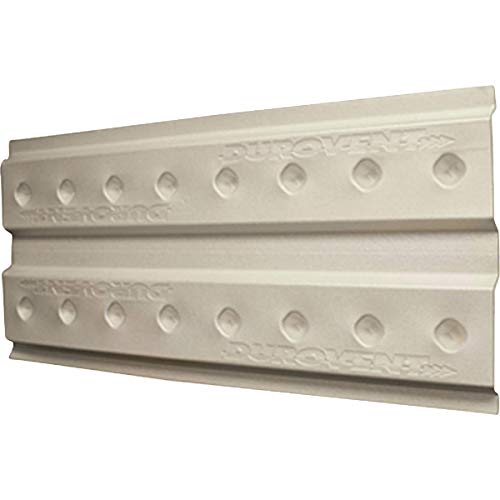
Durovent UDV2248 provides a pack-oriented solution with multiple lengths and a perforated center line that fits various applications. A wide nailing flange and center strut simplify installation, ensuring a secure fit across different rafter configurations. This product emphasizes versatility and structural compatibility, which can be advantageous in retrofit projects or new construction where standardized fits are needed.
Buying Guide: Key Purchase Considerations
- Rafter size compatibility: Choose baffles and vents that explicitly match your rafter spacing (16″ vs 24″ OC) to ensure a proper seal and airflow channel.
- Material and durability: Cardboard-based baffles are economical but may be less durable in humid climates. Plastic or poly materials tend to resist moisture and maintain shape over time.
- Airflow channel width: A wider air channel (2″ or more) generally supports better attic ventilation and reduces insulation blockages.
- Installation ease: Features like foldable tabs, perforated edges, and straightforward stapling can save time during installation and reduce error.
- Bundle quantities: Bulk packs are beneficial for larger attics or multiple bays, but ensure you have the needed number of bays before purchasing.
- Vent coverage: Assess the total number of bays in your attic (or potential future expansions) to determine how many baffles or vents you need for complete coverage.
- Weather and climate considerations: In exposed or rain-prone areas, choose ventilations with moisture resistance and wind-blocking properties to minimize energy loss and moisture ingress.
- Code compliance: While many products help meet energy efficiency goals, verify that the chosen solution aligns with local building codes for attic ventilation.
In summary, selecting the right attic baffle vents depends on rafter size, installation ease, and long-term durability. The reviewed options provide a mix of economical cardboard choices, durable plastic baffles, and comprehensive vent channels to support continuous attic airflow and insulation management. When planning installation, combine appropriate vent paths with proper sealing around penetrations to maximize ventilation effectiveness and energy efficiency.