Answering the common buyer question: which 1/2 inch 3-way valve best fits your needs depends on application, material, and mounting style. This guide highlights five reliable 1/2″ 3-way valves, suitable for water lines, RV water systems, irrigation, and general purpose piping. Each option is explained for who it’s best for, plus practical limits to consider before buying. A quick product table is provided to compare core details at a glance.
| Product | Brand | Best For |
|---|---|---|
| QWORK Series 3-Way (L-Port) Ball Valve | QWORK | General plumbing, DIY projects, tight spaces |
| DERNORD 3-Way Ball Valve, L Mounting Pad | DERNORD | Industrial-style installations, permanent mounting |
| Horiznext 3 Way Valve, 1/2 | Horiznext | Water tanks, irrigation and piping systems |
| RecPro RV 1/2″ Three-Way Water Heater Bypass Valve | RecPro | RV water heater winterization and bypass setups |
| Sneatup Solid Brass 3-way G1/2 Shower Diverter | Sneatup | Shower diverter and bathroom fixtures |
QWORK Series 3-Way (L-Port) Ball Valve

This 1/2 inch valve uses a forged brass body with a chrome-plated stainless steel ball for durability and corrosion resistance. The L-Port design supports straightforward flow control between two lines and a third outlet. Best for general plumbing where space is tight and a lever handle is preferred for quick operation. The PTFE seat improves wear resistance and long life. Caution: ensure the valve’s pressure and temperature ratings match your system to prevent premature wear.
DERNORD 3-Way Ball Valve, L Mounting Pad

This stainless steel 304 1/2″ NPT valve features an L mounting pad and a vinyl locking handle for secure manual control. It’s suitable for water, oil, and gas lines with a wide operating temperature range. The design allows disassembly via threaded connections for service. Best for industrial or utility installations that need a sturdy, lockable control. Limitation: assembly and maintenance require careful threading to avoid leaks.
Horiznext 3 Way Valve, 1/2 Ball Valve

With a T-port configuration, this 1/2″ stainless steel 304 body is designed for directing flow between connected lines. It’s a practical choice for water tanks, branch line control, or general fluid diversion. Clear 1/2″ NPT female threads help with planning installations. Best for residential or light industrial piping where dependable manual flow control is needed. Caution: T-port valves can introduce more complex flow paths; verify the intended direction of flow before installation.
RecPro RV 1/2″ Three-Way Water Heater Bypass Valve
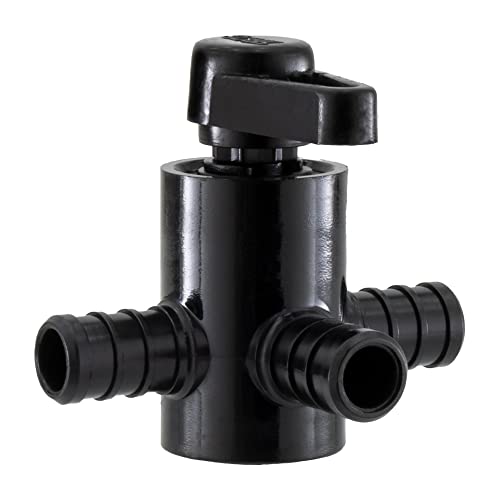
This 3-way valve is designed for RV water heater bypass and winterization. It helps separate antifreeze from the fresh water lines, protecting the heater tank during cold seasons. Best for RV owners who perform seasonal winterization and want a simple bypass option. Limitation: intended primarily for RV plumbing; compatibility with other systems should be confirmed before use.
Sneatup Solid Brass 3-Way G1/2 Shower Diverter
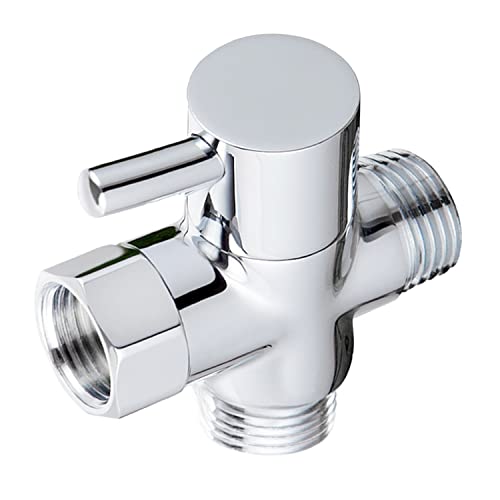
This solid brass 3-way diverter uses a G1/2 inlet with two G1/2 outlets, finished with chrome plating for corrosion resistance. It’s designed for shower setups where you need to divert water between fixtures. Best for bathrooms and showers where a compact, durable diverter is needed. Caution: ensure compatible threaded connections with existing fixtures to prevent leaks.
Buying Guide
What to consider when choosing a 1/2″ 3-way valve
Identify the primary application. Household plumbing, RV winterization, irrigation, and shower diverter needs differ in mounting, materials, and port layout. Select a valve with a suitable port design (L-Port vs. T-Port) to match your flow routing goals.
Material and durability
Brass bodies offer good corrosion resistance for potable water. Stainless steel 304 bodies provide higher strength and resistance to harsh environments. For RV or consumer-grade use, PVC or composite options may be lighter but less durable in demanding conditions.
Connection type and thread size
1/2″ NPT threads are common in home and light commercial piping. Verify thread compatibility with existing fittings. Some valves feature mounting pads or locking handles for secure installation in stationary setups.
Flow control and port configuration
L-Port valves route flow between two ports with a direct path, while T-Port valves offer more flexible routing across three lines. Consider the direction of travel and whether a bypass or diverter is required for your system.
Temperature and pressure considerations
Many 3-way ball valves tolerate typical residential ranges, but high-temperature or high-pressure systems require explicit ratings. If your system experiences intense cycling, choose a valve with robust seats and corrosion resistance.
Maintenance and installation
Valves designed for easy disassembly facilitate maintenance. Look for simple, tool-free operation when possible. For long-term reliability, ensure seals and seats (like PTFE) are appropriate for the fluids involved.
FAQ
- What is a 3-way valve used for? A 3-way valve directs flow between three ports, allowing diversion or bypass in plumbing, RV systems, or irrigation.
- What does L-Port mean? An L-Port valve has a main flow path that creates a right-angle routing between two ports, with a third port for an alternate flow path.
- Is a stainless steel body better than brass? Stainless steel offers higher strength and corrosion resistance in demanding environments; brass is common for potable water and lower-cost installations.
- Can these valves handle hot water? Many 1/2″ valves are rated for typical household hot water, but verify each model’s temperature rating before use.
- Do I need special tools to install a 3-way valve? Most 1/2″ valves use standard fittings; some models with mounting pads or locking handles may require basic hand tools for secure attachment.
- What is the best valve for RV winterization? A valve designed for RV water heater bypass and antifreeze separation is ideal, such as a dedicated 3-way bypass valve.