Looking for a reliable 1-inch poly pipe rated at 160 psi for water supply and irrigation? This guide highlights five top picks that meet or exceed 160 psi where noted, with clear reasons to choose each based on your application. It’s designed for homeowners and professionals seeking durable, potable-water-ready options and easy connections. Below, you’ll find quick-reference product highlights, a concise buying guide, and answers to common questions.
| Product | Best For | Key Benefit |
|---|---|---|
| 1″x300′ 160psi Pipe – Cresline | Residential water lines | NSF approved for drinking water; durable resin blend |
| Cresline Polyethylene Pipe 1-1/4″ x 100′ 160 Psi | Irrigation and well systems | High-pressure 160 psi; NSF potable water compliance |
| Cresline Polyethylene Pipe 1″ x 100′ 100 Psi | Non-potable or light-use runs | US-made; basic potable considerations |
| HD160 (SIDR-9) Plastic Polyethylene Pipe | General-purpose high-performance runs | Brand-name Cresline; compact dimensions |
| SharkBite 1 Inch Poly Crimp Coupling (Pack of 5) | Pipe-to-pipe connections | Easy, tool-free installation; compatible with PEX/PE-RT |
1″x300′ 160psi Pipe – Cresline

Best for: Residential water lines needing NSF-approved drinking water material. This 1 inch pipe is designed for potable applications and is manufactured from selected resins able to handle 160 psi when used with insert fittings and stainless steel clamps. The pipe is NSF approved for drinking water use, making it a safe, long-lasting option for home plumbing and irrigation systems. Consider this when you want a reliable pipe with potable-water assurance and corrosion resistance. Limitation: ensure proper fittings and clamps are used to achieve the rated pressure handling.
Cresline Polyethylene Pipe 1-1/4″ X 100′ 160 Psi

Best for: Irrigation and well-water piping requiring higher diameter with 160 psi rating. This 1.25 in. black poly pipe is designed for potable water applications and meets NSF standards, ensuring safe water delivery in both residential and commercial settings. It’s constructed from high-density polyethylene for durability and flexibility, making it resistant to corrosion and cracking over time. Choose this if you need a larger bore with the same high-pressure capability. Caution: confirm compatibility with existing fittings and clamp sizes for a leak-free setup.
Cresline Polyethylene Pipe 1″ X 100′ 100 Psi
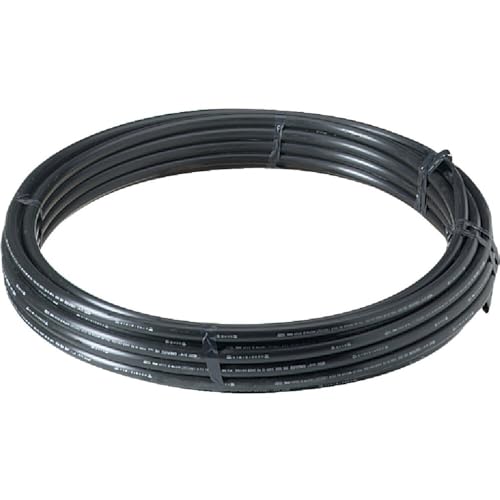
Best for: Short runs where potable water is acceptable at a lower pressure rating. This 1″ pipe is listed with 100 psi, suitable for basic water distribution tasks in smaller or lower-demand setups. It is made in the United States, offering domestic production reassurance. Better for cost-conscious projects where maximum pressure is not required. Limitation: pressure rating is lower than 160 psi, so use only in appropriate systems that won’t exceed its capability.
HD160 (SIDR-9) Plastic Polyethylene Pipe

Best for: General high-performance piping with a compact footprint. This HD160 SIDR-9 pipe is listed under Cresline Plastic, promoting strong brand consistency and availability. It is suitable for a range of water transport tasks where a 160 psi rating is desired, though the product listing emphasizes general durability and origin as noted. Choose this when you want a dependable, mid-size PE pipe option with solid brand support. Limitation: product specifics beyond basic dimensions and origin are limited in the listing.
SharkBite 1 Inch Poly Crimp Coupling

Best for: Easy, tool-free connections between two same-sized pipes. This SharkBite poly crimp coupling is compatible with PEX and PE-RT pipes and is designed for potable, hydronic, and radiant heating uses. It’s ideal when you want a quick, reliable connection without glue or soldering. Limitation: not a pipe itself; you’ll still need appropriate pipe material and clamps to complete the setup.
VEVOR PEX-B Pipe 1 Inch X 3 Feet
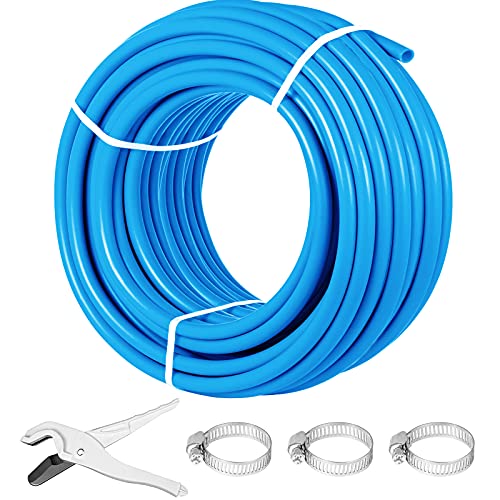
Best for: Small, flexible PEX runs in hydronic and potable water projects. Although PEX-B is not polyethylene, this 1 inch tube offers excellent sealing and bending capabilities, with a 160 psi rating at moderate temperatures listed. It’s a practical choice for tight spaces or where flexible routing is required. Caution: verify compatibility with your system’s fittings and clamps, as PEX systems differ from rigid PE pipe in assembly requirements.
Buying Guide: Key Considerations For 1-Inch Poly Pipe At 160 Psi
- Pressure rating and intended use: Ensure the pipe’s psi rating matches your system’s maximum pressure, especially for irrigation or well-water applications.
- Potability and NSF/ANSI standards: For drinking water lines, choose pipes explicitly certified for potable water.
- Material and durability: High-density polyethylene (HDPE) offers corrosion resistance and flexibility; verify UV resistance if exposed to sun.
- Fittings and compatibility: Confirm that insert fittings, clamps, and adapters are compatible with the pipe diameter and material.
- Length and ease of installation: Longer runs reduce fittings, but consider ease of handling and storage for your site.
- Local codes and standards: Check local plumbing codes for compliance with material and installation practices.
FAQ
- What does 160 psi mean for poly pipe?
It indicates the maximum recommended internal pressure the pipe can safely carry. Use fittings and clamps rated for that pressure to maintain safety. - Is 1-inch poly pipe suitable for drinking water?
Yes, if the pipe is NSF approved for potable water use, it is appropriate for drinking-water systems. - Can I use 1-inch poly pipe for irrigation?
Yes, many 1-inch PE pipes are used for irrigation with high-pressure capability, depending on the system’s requirements. - Do I need special tools to install poly pipe?
For rigid PE pipe, you may need inserts and clamps; some connections require crimp tools or simple hand tools depending on the fittings. - Are there compatibility issues between PE pipes and PEX fittings?
Yes, ensure fittings are specified for the pipe type you’re using to avoid leaks or failures.