Answering the buyer’s search intent: these zone valves are selected to optimize irrigation control for homes and small landscapes. They suit DIYers installing or replacing irrigation zones, landscapers aiming for precise water use, and property managers seeking reliable, low-maintenance valves. The top five choices below balance durability, compatibility, and ease of installation. A quick comparison table is provided after the intro for fast reference.
| Product | Best For | Key Benefit | Notes |
|---|---|---|---|
| Kazeffi Motorized Zone Valve | Residential zones with 24 VAC control | Quality tested for 100K cycles | NPT 1″, normally closed |
| Rain Bird CP100 In-Line Valve | Below-ground residential irrigation | Compact, easy integration with standard timers | 1″ female x female threads |
| Hunter PGV with Flow Control | Precision irrigation systems | Built-in flow control for zone accuracy | 1″ NPT female; 24V AC solenoid |
| Orbit L-Series 57281 Valve | Reliable, service-friendly installations | Internal scrubber filter, easy diaphragm service | 1″ FPT; 25 VAC solenoid |
| Taco T572-3 Zone Valve | High-volume irrigation setups | Proven performance; quiet operation | 1″ zone valve |
Use the product sections below to compare features, compatibility, and practical uses. Each entry highlights who benefits most and why the valve was selected for this list. A short caution is included where applicable to guide safe, effective installation.
Kazeffi Motorized Zone Valve

- Type: 2-way, NPT 1″, normally closed, 24 VAC two-wire control
- Construction: Forged brass body; robust for underground or exposed installations
- Features: Quality tested for over 100K cycles; quick installation and easy operation
Best for: Homeowners replacing a single zone valve or adding a new zone in a residential system that uses 24V controllers. Why selected: durable brass construction and proven cycle life support reliable, consistent operation. Caution: ensure compatible 24V control wiring and electrical enclosure to prevent moisture exposure.
Rain Bird CP100 In-Line Valve
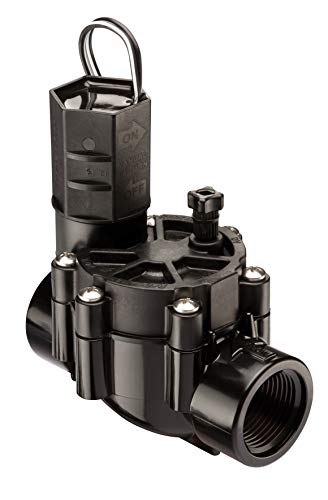
- Type: Residential/light commercial 1″ female threaded inlet and outlet
- Features: Works with standard sprinkler timers; designed for below-ground installation and concealment
- Material: Durable valve suitable for typical irrigation setups
Best for: Installers seeking a compact, discreet valve that integrates with common timers. Why selected: ease of installation and concealment support clean landscape aesthetics. Caution: strictly follow below-ground installation guidelines to avoid debris intrusion.
Hunter PGV Sprinkler Valve With Flow Control
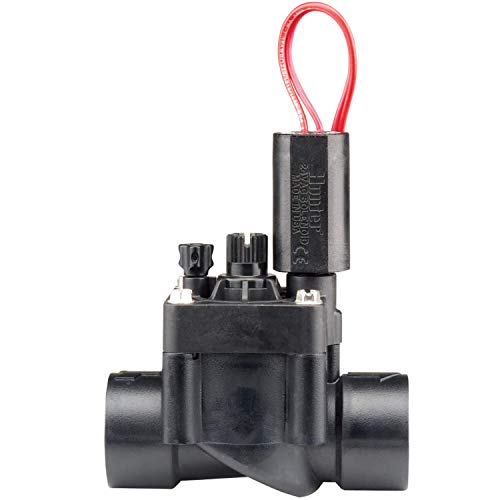
- Flow control: Built-in to manage zone water usage
- Connections: 1″ NPT female thread; compatible with standard PVC piping
- Soler effects: 24V AC solenoid pre-installed for timer compatibility
Best for: Systems requiring precise zone control and improved irrigation efficiency. Why selected: flow control helps reduce overwatering and misting, promoting healthier landscapes. Caution: check compatibility with existing 24V controllers and power supply capacity.
Orbit 57281 L-Series Valve

- Type: 1″ FPT valve assembly for sprinkler or drip irrigation zones
- Solenoid: 25 VAC with manual actuation feature
- Maintenance: Internal scrubber filter and four captured lid screws for service
Best for: Those who value serviceability and clog resistance in dirty water. Why selected: scrubber filter and easy diaphragm service enhance reliability. Caution: ensure compatibility with your specific irrigation manifold and valve spacing.
Taco T572-3 1-Inch Zone Valve

- Notable: Millions of units in operation; engineered for consistent performance
- Operation: Silent operation with rugged durability
- Size: 1-Inch valve suitable for medium to larger irrigation zones
Best for: Installations demanding dependable long-term operation and quiet performance. Why selected: Taco is a well-known brand for heavy-use irrigation. Caution: verify flow requirements and electrical compatibility with your controller and wiring.
Buying Guide
What to consider when choosing a zone valve:
- Valve type and size: Match valve size to your sprinkler/drip system piping (3/4″ vs 1″ vs 1-1/2″). Ensure the valve is compatible with your controller’s voltage (typically 24 VAC).
- Flow control vs no flow control: Valves with built-in flow control help prevent overwatering and manage pressure; choose this if precise regulation is important.
- Material and durability: Brass bodies offer durability for underground or exposed installations; plastic bodies may be lighter and budget-friendly but assess environment exposure.
- Serviceability: Valves with easy diaphragm access, filters, and accessible lids reduce maintenance time and downtime.
- Installation considerations: Check thread type (NPT vs FPT), installation orientation, and whether the valve needs a manual bleed or actuator compatibility with your timer.
- Compatibility: Ensure the valve and solenoid are compatible with your irrigation controller, wiring, and power supply.
Practical installation tips
- Plan zones according to plant depth, soil type, and sun exposure to maximize water efficiency.
- Seal all connections to prevent leaks and consider rainproof enclosures for outdoor wiring.
- Test each valve with the irrigation controller before final trenching or burial.
FAQ
- What is a zone valve and why do I need one?
Answer: A zone valve controls water flow to a specific irrigation area, enabling targeted watering and better water efficiency. - Can I use any valve with any sprinkler timer?
Answer: Most 24V AC solenoids are compatible, but verify voltage, thread size, and wiring requirements. - What is the advantage of built-in flow control?
Answer: It helps regulate water delivery per zone, reducing overspray and turf stress. - How do I pick the right valve size?
Answer: Match the valve’s inlet/outlet size to your piping (commonly 1″ in residential setups). - Are brass valves better than plastic?
Answer: Brass is typically more durable for buried or outdoor use; plastic can be sufficient in protected conditions. - What maintenance is needed for zone valves?
Answer: Periodic inspection, cleaning of filters, testing solenoids, and diaphragm checks are typical tasks.