Answering the search for 10 ton split system solutions, this guide highlights robust, high-capacity options that are closest to the scale of a 10-ton setup. Each product is evaluated for large homes or light commercial spaces, focusing on efficiency, cooling and heating performance, and installation practicality. This selection aims to help buyers choose a kit that can handle substantial cooling loads, while offering inverter or multi-stage operation for better energy management. The top picks are best for developers, property managers, and homeowners upgrading to larger, more efficient systems.
| Product | Capacity (BTU) | Best For | Why It Was Selected |
|---|---|---|---|
| Senville 4 Ton Central Air Conditioner Heat Pump Split System | 48,000 BTU | Large homes up to ~2,000 sq ft | High efficiency inverter with cooling and heating; robust for sizable spaces |
| ACiQ Essentials 4 Ton Central Inverter Heat Pump Split System | 48,000 BTU | Mid-to-large spaces; energy-conscious buyers | Inverter technology with flexible heating/cooling and backup heat option |
| Senville 5 Ton Central Air Conditioner Heat Pump Split System | 55,000 BTU | Large residences or multi-room setups | Higher capacity with inverter performance for large areas |
| ACiQ Essentials 2 Ton Inverter System | 24,000 BTU | Smaller zones or paired zones | Compact, energy-efficient with solid heating/cooling range |
| Goodman 4 Ton 15.2 SEER2 Heat Pump System | ~48,000 BTU | Standard large homes; reliable brand | Balanced efficiency and capacity with practical integration |
Senville 4 Ton Central Air Conditioner Heat Pump Split System

The Senville 4 Ton central system uses an inverter variable speed compressor to convert a traditional central AC into a high-efficiency mini-split style setup. It is designed for large spaces up to 2,000 square feet, making it suitable for sizeable homes or small commercial areas. Inverter technology helps manage demand more precisely than single-stage systems, potentially reducing energy use during peak periods.
Best for: Homeowners needing robust cooling and reliable heating in a large living area or open-plan layout. Why selected: Best balance of capacity and efficiency for larger rooms within the 10-ton scope.
Caution: Inverter systems may have higher upfront costs and require professional sizing and installation to achieve optimal performance.
ACiQ Essentials 4 Ton Central Inverter Heat Pump Split System

This 4-ton ACiQ inverter system provides precise temperature control with inverter technology, enabling energy savings and quieter operation compared to single-stage systems. It supports both cooling and heating operations, with a broad operating range and the option for electric backup heat in colder conditions.
Best for: Buyers seeking a high-capacity, energy-conscious option for larger rooms or multi-zone setups. Why selected: Strong inverter performance and dependable heating on cooler days.
Caution: The data notes optional backup heat, which may require additional components or wiring to enable in certain installations.
Senville 5 Ton Central Air Conditioner Heat Pump Split System

The 5-ton Senville system delivers 55,000 BTU of cooling, designed for large spaces and heavy-duty performance. It uses inverter technology to optimize efficiency while delivering strong cooling and heating capabilities for expansive areas.
Best for: Very large homes or open-concept spaces needing substantial cooling capacity. Why selected: Highest capacity among the Senville options on this list, providing a closer fit to a 10-ton scale.
Caution: Higher capacity units may require professional ducting or configuration to avoid over-sizing in smaller spaces.
ACiQ Essentials 2 Ton Central Inverter Heat Pump Split System
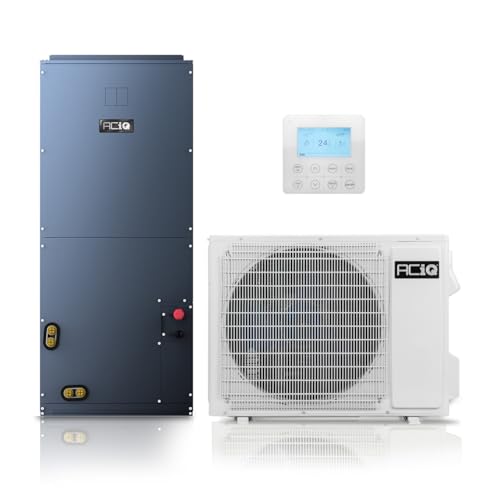
This 2-ton system offers inverter-based efficiency for smaller zones, with cooling down to 5°F and heating up to 75°F. It’s a versatile option for compact spaces or supplementary zones within a larger property.
Best for: Areas where zoning is needed or where consumers want a modular approach with scalable options. Why selected: Complements larger systems when zoning across multiple rooms.
Caution: Not a primary solution for very large rooms; pairing with larger units may be necessary for full-home coverage in bigger spaces.
Goodman 4 Ton 15.2 SEER2 Heat Pump System

This Goodman system combines a 4-ton heat pump with a multi-position air handler, forming a solid base for reliable heating and cooling. It supports a 10kw heat kit and a potential for expanded cooling capacity. The pair is designed for route flexibility and durable operation.
Best for: Builders and homeowners seeking a dependable, mid-to-large capacity system with good warranty expectations. Why selected: Widely recognized brand with practical integration options for high-capacity needs.
Caution: Kit components and line sets are often sold separately, which can add to installation planning time and cost.
MRCOOL 5 Ton Hyper Heat Central Ducted Split System

The MRCOOL Hyper Heat 5-ton system is designed to operate in extreme outdoor temperatures, offering a broad operating range for heating and cooling. It includes a 10-year parts and labor warranty, and uses a NoVac Quick Connect Line Set for easier installation. This setup emphasizes long-term performance for larger homes or commercial spaces.
Best for: Those needing reliable performance in extreme temperatures and simplified installation. Why selected: A strong, ducted option that aligns with high-capacity needs in larger properties.
Caution: The MRCOOL line requires precise ductwork and may be best suited for professional installation to ensure optimal efficiency.
Buying Guide: Key Considerations For Large-Capacity Split Systems
- Capacity and space fit: Match BTU capacity to the size of the space. Oversizing can lead to short cycling, undersizing reduces comfort. For large rooms or multiple zones, consider units around 48,000–55,000 BTU total capacity or multi-zone configurations.
- Inverter vs. single-stage: Inverter-driven systems modulate output, reducing energy use and maintaining steady temperatures. They tend to perform better across a broader range of conditions.
- Heating performance in cold weather: Look for units rated to operate efficiently in cold climates (several models list operation down to -22F/-30C). This matters if you need year-round comfort.
- Backup heat options: Some systems offer electric or auxiliary heat kits. Evaluate climate needs and installation costs for backup heat.
- Installation considerations: Large-capacity systems may require ductwork or header changes, electrical upgrades, and professional sizing. Confirm compatibility with existing infrastructure.
- Zoning and multi-unit setups: For very large homes, consider multi-zone configurations or ducted vs. ductless approaches to optimize comfort and efficiency.
- Maintenance and warranties: Review service access, filter replacement ease, and any warranty terms tied to proper installation and maintenance.
FAQ
- Is a 4-ton system enough for a large home? It can be suitable for large spaces or open-plan layouts, but for truly oversized areas, 5-ton units or multi-zone configurations may be preferable.
- Do inverter systems save more energy? Yes, inverter-driven systems adjust output to meet demand, which generally reduces energy consumption and improves comfort.
- Can I mix brand units in a single system? It’s usually not recommended to mix brands in a single system due to compatibility and warranty concerns. Use matched components when possible.
- What is a back-up heat kit? A back-up heat kit provides additional heating capacity for very cold conditions, typically electric resistance heat. It’s useful in chilly climates.
- What maintenance is required for high-capacity systems? Regular professional inspections, refrigerant checks, duct cleaning, and filter changes help maintain efficiency and longevity.