Finding the right 15,000 BTU RV air conditioner with ducting capability means balancing cooling power, weight, sound, and ease of installation. This guide highlights five top options suitable for ducted RV systems, clarifies who each unit is best for, and explains why they stand out. Ideal buyers include frequent full-time travelers, campers needing quiet operation, and owners upgrading or replacing an aging rooftop unit. The table below compares key details to help you decide quickly.
| Product | Best For | Key Advantage | Notes |
|---|---|---|---|
| Dometic FreshJet 3 Series 15K Black | Constrained space RVs seeking lighter units | Higher airflow and lighter weight | Meets ducted expectations; check compatibility with existing ducting |
| ASA Electronics ACM150B Advent 15K | Budget-conscious builders needing ducted or non-ducted | Ducted & Non-Ducted compatibility | Solid value with flexible ducting options |
| RecPro RV Air Conditioner 15K | Off-grid or solar setups needing efficiency | Low amp draw; quiet operation | Suitable for ducted or non-ducted installs |
| Coleman-Mach Mach 15 Plus 15K | Durable, rugged setups with wood skid | Reliable Power Saver options | Often used in ducted configurations |
| Coleman-Mach Mach 15 15K Power Saver | Quiet, efficient cooling in a white/wood skid | Power Saver benefits | Great for long trips with steady performance |
Dometic FreshJet 3 Series, 15K BTU Black

Best for: RVs needing a lightweight, quiet option with strong airflow and ducting flexibility. This unit is designed to deliver more air and reduced weight, aiding installation on tighter roof spaces while maintaining robust cooling performance.
- Lightweight construction helps reduce roof load and simplify mounting.
- Backwards compatible with existing ADB setups for easier upgrades.
- E-Coated evaporator coils provide enhanced corrosion resistance, supporting longer life in harsh RV environments.
Best for buyers who want easier upgrades without sacrificing ducted performance. A potential limitation is ensuring compatibility with your current ducting and control systems, as upgraded coils and coatings may require check-ins with installation specifics.
ASA Electronics ACM150B Advent 15,000 BTU

Best for: RV owners who want flexible ducting options and a unit that can work in both ducted and non-ducted configurations. This model suits setups where ducting plans may change or require different routing.
- Supports both ducted and non-ducted systems, offering installation flexibility.
- Three blower speeds provide adjustable cooling intensity and sound management.
- Overload protection contributes to safer operation in variable RV conditions.
Limitation to note: detailed ducting compatibility varies by model year and RV layout; confirm existing duct sizes before purchase.
RecPro RV Air Conditioner 15K (Ducted or Non-Ducted)

Best for: RV owners prioritizing energy efficiency and quiet operation, suitable for off-grid or solar setups. The unit’s low amp draw helps manage power usage on long trips.
- Low amp draw supports running multiple appliances without overload.
- Durable, UV-resistant construction supports longevity in harsh outdoor conditions.
- Whisper-quiet operation enhances sleep and comfort inside the RV.
Caution: While designed for ducted or non-ducted installs, ensure your power system can handle a 15K BTU unit during peak cooling periods.
Coleman-Mach Mach 15 Plus 15K BTU

Best for: RVs needing robust cooling with a traditional ducted layout and a wood skid for secure mounting. This model is a solid choice where ducted airflow is a primary requirement and durability is critical.
- 15,000 BTU nominal cooling capacity for larger RV spaces.
- Wood skid included, often used in rugged or heavy-use installations.
- Power Saver configurations help optimize energy use in extended travel scenarios.
Limitation: Wood skid and heavier construction can impact roof load; verify roof integrity and mounting hardware compatibility with your RV.
Coleman-Mach Mach 15, 15K Power Saver
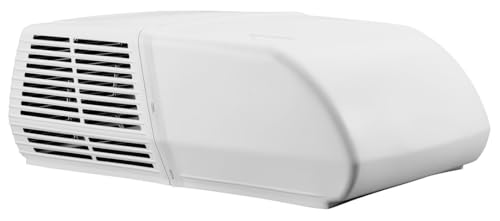
Best for: RV owners seeking efficient cooling with a focus on energy savings, suitable for long trips where power consumption matters.
- Power Saver feature helps reduce ongoing electricity use without sacrificing cooling performance.
- 15,000 BTU capacity fits mid-to-large RV spaces plus ducted distributions.
- Arctic White finish pairs with a variety of RV exteriors and décors.
Note: As with all ducted systems, confirm ductwork positioning and roof opening size to ensure a proper seal and airflow balance.
Buying Guide: How to Choose a 15K BTU RV Ducted Unit
- Ducting compatibility: Ensure the unit supports your RV’s duct layout, including the number of supply registers and the size of ducting you already have or plan to install.
- Weight and roof load: Lighter units reduce mounting strain on the roof; verify your RV roof’s load rating and the unit’s weight.
- Power requirements: Consider your generator or shore power capabilities. Models with low amp draw or energy-saving modes help with solar setups and off-grid living.
- Noise level: Quieter operation improves overnight comfort; look for dB ratings or user-reported noise reductions in the model specs.
- Cooling efficiency: Check the unit’s airflow and BTU capacity relative to your RV’s square footage and insulation quality to avoid over- or under-cooling.
- Coatings and durability: Coatings like E-Coat on coils can improve corrosion resistance in humid RV conditions; this can extend component life.
- Installation approach: Some models come with features that simplify upgrade paths, including compatibility with existing ADB controls or mounting patterns.
- Warranty and service: Look for manufacturer support options and parts availability in your region to minimize downtime.
Frequently Asked Questions
- What does “ducted” mean for an RV air conditioner?
Answer: A ducted system distributes conditioned air through a network of ducts to multiple rooms or zones within the RV, improving overall airflow and comfort. - Is a 15,000 BTU unit suitable for all RVs?
Answer: Not always. It works well for mid-to-large RVs with good insulation; smaller or highly insulated rigs may only need 12,000 BTU or less. - Can I upgrade an older non-ducted unit to a ducted configuration?
Answer: In many cases, yes, but it may require additional ductwork, mounting changes, and control compatibility checks with the existing ADB or thermostat. - What maintenance is required for a ducted RV AC?
Answer: Regular coil cleaning, filter maintenance, and checking seals around roof penetrations help maintain efficiency and prevent leaks. - Which unit is the quietest among these options?
Answer: Quiet operation varies by model and installation, but several 15K units emphasize noise reduction through design and improved airflow; verify dB ratings where available. - How do I know if my RV roof can support a 15K BTU ducted unit?
Answer: Check the roof’s load rating and the unit’s weight; many RVs rated for rooftop AC installations can support 15K models with proper mounting.