Answering how to pick a reliable 2.5 ton AC split system for a medium-sized space. This guide compares five Amazon-listed options, highlighting who each unit is best for and why. Buyer types: homeowners needing straightforward all-in-one cooling, those prioritizing energy efficiency, and contractors seeking inverter or heat pump versatility. The quick-reference table below helps identify at a glance which model fits your needs.
| Product | Brand | Type | Best For |
|---|---|---|---|
| MrCool VersaPro 2.5 Ton | MRCOOL | Central Ducted Heat Pump Split System | DIY installers and energy-conscious homes |
| ACiQ 2.5 Ton 14.3 SEER2 Central AC Unit Condenser | ACiQ | Condenser (AC Only) | Homes needing reliable central cooling |
| ACiQ Essentials 2.5 Ton 18 SEER2 | ACiQ | Inverter Heat Pump Split System | Energy-conscious homes with heating needs |
| ACiQ 2.5 Ton 14.5 SEER2 Central Heat Pump Split System | ACiQ | Heat Pump Split System | Year-round comfort in moderate climates |
| Goodman 2.5 ton 14.3 SEER2 Partial Split System | Goodman | Partial Split with Vertical Coil | System upgrades where coil and outdoor unit pairing is planned |
MrCool VersaPro 2.5 Ton 17 SEER2 Central Ducted Heat Pump

Best for DIY installers and energy-conscious homes. This VersaPro model delivers 2.5 tons of cooling with a SEER2 rating range of 15.2–18.8 depending on configuration, using DC inverter technology for precise temperature control and potential energy savings. It’s pre-charged and includes a 35-foot line set for flexible installation. Pros: strong inverter performance and compatibility with ducted layouts. Limitation: exact SEER2 rating depends on the installed configuration.
ACiQ 2.5 Ton 14.3 SEER2 Central AC Unit Condenser
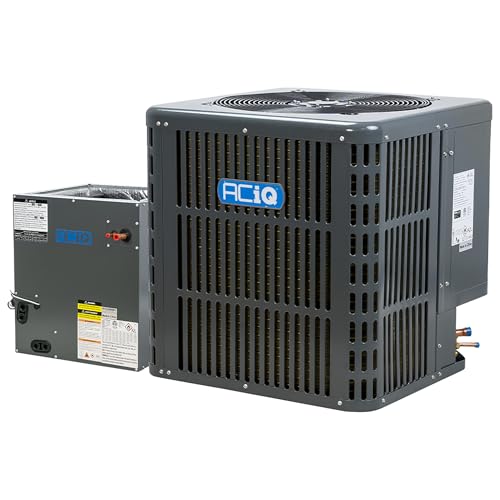
Best for reliable central cooling with a straightforward setup. This 2.5-ton condenser delivers 30000 BTU capacity, designed for small to medium homes with central systems. It’s AHRI certified and compatible with R32 refrigerant, offering dependable cooling. Caution: you’ll need an appropriate evaporator coil and compatible air handler to complete the system.
ACiQ Essentials 2.5 Ton 18 SEER2 Central Inverter Heat Pump
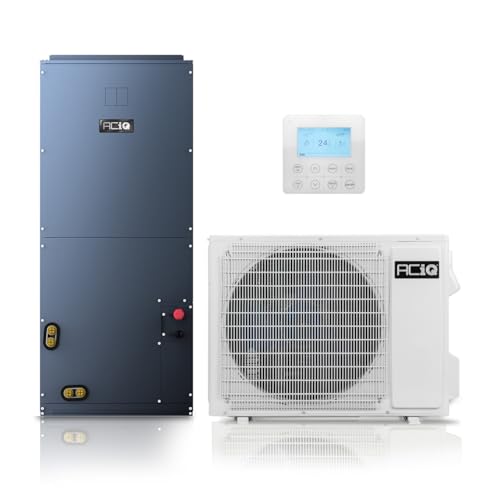
Best for homes seeking precise temperature control and energy savings. This inverter heat pump system adjusts power to demand, offering improved efficiency and quieter operation versus single-stage units. It provides cooling and heating across a broad temperature range, with optional electric backup heat for colder conditions. Limitation: inverter systems may require more complex installation and controls integration.
ACiQ 2.5 Ton 14.5 SEER2 Central Heat Pump Split System
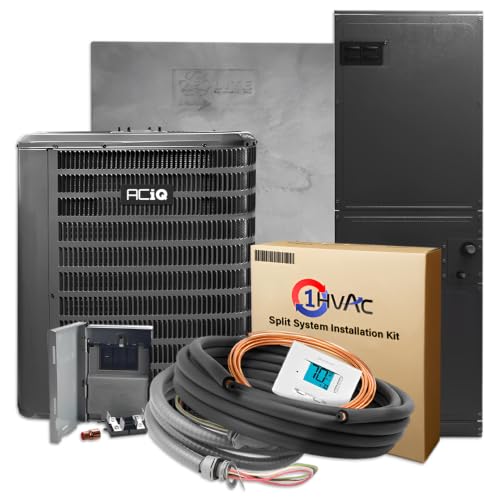
Best for year-round comfort in moderate climates. This 2.5-ton heat pump split system combines efficient cooling with effective heating, supported by a 10K backup heat kit option in some configurations. It emphasizes a balanced air-handler design with durable aluminum coils. Caution: system performance can depend on installation quality and duct design.
Goodman 2.5 Ton 14.3 SEER2 Partial Split System

Best for upgrades where a vertical coil and compatible refrigerant lines are planned. This Goodman system includes a 2.5-ton single-stage cooling unit and a compatible vertical coil, with easy pre-charging for lengths around 15 ft. It’s a solid pairing for steady cooling, though you will need a furnace or blower with a heat kit for a complete heating solution. Caution: not a full all-in-one heat pump solution; heating requires additional components.
Buying Guide
What should I consider when choosing a 2.5 ton system?
Key factors include climate and heating needs, system type (air conditioner, heat pump, or inverter/ducted), energy efficiency (SEER2 ratings), installation complexity, and future maintenance expectations. Inverter models typically save energy but may require more precise commissioning.
Is a heat pump or an air conditioner better for my home?
Heat pumps provide cooling and heating from one unit, useful in temperate to mild climates. In colder areas, a backup heat source is often necessary. For cooling-only needs, a dedicated AC condenser is simpler and often less costly upfront.
Do I need a complete system or is a partial setup acceptable?
Partial split configurations can work when paired with a suitable indoor air handler or furnace with a compatible coil. Full heat pump systems simplify compatibility and performance, especially for year-round use.
What installation considerations matter most?
Correct refrigerant charge, duct design, and proper thermostat/controls integration are essential. Pre-charged lines simplify DIY options but ensure line lengths and compatibility with your space.
What maintenance helps maximize efficiency?
Regular filter changes, coil cleaning, and timely professional checkups on refrigerant levels, electrical components, and thermostats keep the system operating at peak efficiency.
FAQ
- What does SEER2 mean? SEER2 reflects energy efficiency of the cooling portion; higher numbers typically indicate lower operating costs.
- Can I install a heat pump myself? Some models are DIY-friendly, but field charging, refrigerant handling, and electrical work may require a licensed technician.
- Will a 2.5 ton unit fit my home? A professional load calculation helps determine the right tonnage based on space, insulation, and climate.
- Do all-in-one inverter heat pumps save more energy? Inverter systems adjust power continuously, often delivering energy savings and improved comfort over single-stage units.
- Is 2.5 tons enough for a medium-size home? It depends on the floor area, window efficiency, insulation, and climate; a load calculation clarifies sizing needs.
- What prevents a system from cooling effectively? Improper installation, refrigerant leaks, dirty filters, and blocked ducts are common issues that reduce cooling performance.