Choosing the right 220-volt baseboard heater with a built-in thermostat can improve comfort, energy efficiency, and control across different rooms. This guide highlights reliable line-voltage thermostats that fit 120V/240V baseboard systems, with a mix of smart and traditional options. Whether you want remote control, smart home integration, or simple manual operation, these picks cover a range of installation needs and budgets.
The following summary table highlights five suitable 220V baseboard thermostat options, including brand, model, voltage compatibility, features, and a quick note on what makes each stand out. This snapshot helps you compare at a glance before diving into detailed profiles.
| Product | Brand | Voltage | Key Features | Why It Stands Out |
|---|---|---|---|---|
| Mysa Smart Thermostat LITE | Mysa | 120V-240V | Wi‑Fi, HomeKit/Alexa/Google, scheduling, energy reports | Smart, budget-friendly line-voltage option |
| Cadet F Series BTF2W | Cadet | 120/208/240V | Two-pole, built-in, easy end-mount | Solid traditional thermostat for Cadet baseboards |
| Mysa Smart Thermostat 240V | Mysa | 240V | Remote app control, HomeKit/Alexa/Google, energy features | Enhanced 240V capable smart control |
| Honeywell Home RLV4305A1000 | Honeywell Home | 120/208/240V | 5-2 day programmable, silent TRIAC switching | Reliable programmable option |
| meross Smart Thermostat 120-240V | meross | 120/240V | Wi‑Fi, HomeKit/Alexa/Google, 4-wire install | Smart features with broad compatibility |
Mysa Smart Thermostat LITE — Line Voltage 120V/240V
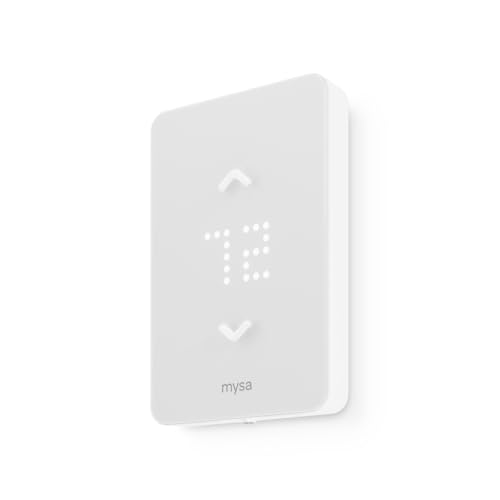
The Mysa Smart Thermostat LITE provides Wi‑Fi control for 120V to 240V electric baseboard heaters and other line-voltage units. It supports remote scheduling, energy reporting, and smart integrations with HomeKit, Alexa, and Google. The app is described as 100% free with no ongoing subscription fees, enabling remote control, time-based schedules, and energy management to optimize heating costs. It is especially suitable for users seeking a compact, straightforward installation with robust smart features.
Cadet F Series BTF2W Built-In Thermostat

The Cadet F Series BTF2W is a double-pole built-in thermostat designed for Cadet baseboard heaters. It offers a temperature range from 45ºF to 80ºF and uses a large twist dial for easy manual adjustments. While it is compatible specifically with Cadet F series heaters (sold separately), its installation is straightforward, mounting easily at either end of the heater to minimize wiring. This makes it a solid choice for reliable, simple control in Cadet systems.
Mysa Smart Thermostat — 240V Model

This Mysa 240V thermostat is built for high-voltage heating, supporting loads up to 3800W at 240V. It requires at least four wires (including neutral or a second live) for proper operation, which is typical for high-voltage smart thermostats. Features include adaptive display, remote control via app, and compatibility with HomeKit, Alexa, and Google. It’s ideal for users upgrading from older two-wire systems who want full smart functionality and proactive energy management.
Honeywell Home RLV4305A1000 5-2 Day Programmable

The Honeywell RLV4305A1000 is a digital 5-2 day programmable thermostat for electric baseboards and convectors. It emphasizes precise control with an accuracy around ±0.27 degree Fahrenheit and silent operation via TRIAC switching. This option is well-suited for users who prefer programmable schedules and reliable, low-noise performance without smart home integration.
Meross Smart Thermostat for 120-240V

The Meross smart thermostat is designed for high-voltage systems and supports 120–240V. It requires four or more wires and is compatible with Apple HomeKit, Alexa, Google Home, and SmartThings. It advertises energy-saving features, easy installation, and remote control via the Meross app. This option appeals to users seeking broad voice assistant support and a straightforward setup for larger high-voltage baseboard installations.
Buying Guide: Key Considerations for 220V Baseboard Thermostats
- Voltage compatibility: Ensure the thermostat supports 120V, 208V, and 240V line voltages common in American homes. Some models handle multiple voltages, which adds installation flexibility.
- Thermostat type: Choose between manual (single-pole or double-pole) and programmable or smart options. Double-pole thermostats disconnect both hot wires for safer operation in some configurations.
- Wiring requirements: Smart high-voltage models often need a neutral or a fourth wire. Verify your baseboard system has the necessary wiring before buying.
- Smart features and integrations: If you want remote control, schedules, and energy reporting, opt for Wi‑Fi enabled models that work with HomeKit, Alexa, Google Home, or SmartThings.
- Energy efficiency: Look for programmable scheduling, adaptive brightness displays, and energy reports that help minimize heating costs without sacrificing comfort.
- Installation ease: Some units mount at the ends of baseboards and use existing wiring pathways, while others may require professional installation for optimal performance.
- Reliability and warranty: Established brands (Mysa, Cadet, Honeywell, Meross) tend to offer durable hardware and solid customer support, which matters for 24/7 heating systems.
- Display and user interface: Consider display brightness, readability in different lighting, and ease of manual adjustments for quick temperature changes.
- Noise and switching: TRIAC-based switching provides silent operation, which is desirable in bedrooms or study areas to minimize disturbances.
When choosing, align the thermostat’s features with your heating setup, room layout, and desired level of smart home integration. If you have Cadet baseboard heaters, a Cadet-specific model may simplify installation, while a flexible smart thermostat is ideal for multi-brand systems and future-proofing a home with extensive automation.