Answer: A 3-way duct splitter is ideal for distributing one air source to multiple ducts, improving airflow to exhaust fans, dryer vents, or HVAC lines. This guide highlights top choices for different setups, from grow tents to home workshops. Best fits include compact, corrosion-resistant metal connectors for indoor use and rugged steel options for outdoor applications.
Buyer profiles:
– Small home projects: compact ABS or metal 3-way splitters with smooth interiors.
– Grow tents and ventilation rigs: robust metal or steel splitters with tight seals.
– Workshops and garages: durable, high-temperature capable materials.
– Outdoor installations: corrosion-resistant coatings or galvanized steel.
| Product | Best For | Key Strength | Material |
|---|---|---|---|
| NATGAI 4 Inch 3 Way Duct Splitter | Balanced exhaust and HVAC | Optimal airflow distribution | Galvanized steel |
| NYXOVA 4″ 3-Way Metal Duct Splitter | Home HVAC and dryers | 90° angled three-way design | Galvanized steel |
| Landhoow 3 Way Duct Splitter | Grow tents, basements | Smooth interior, high-temp steel | Steel |
| Marvexi 4 Inch 3-Way Duct Splitter | Residential/commercial ducts | ABS plastic with stainless steel option | ABS / 304 stainless steel |
| Therwen 4 Inch 3 Way Duct Splitter | Kitchen/bathroom ventilation | Leak-resistant, galvanized | Galvanized steel |
NATGAI 4 Inch 3 Way Duct Splitter

Best For: Home HVAC systems, exhaust fans, and dryer vents where a sturdy, rust-resistant connector is needed. This 4-inch y-duct splitter is designed to efficiently divide airflow between multiple vents, ensuring balanced distribution.
- Material: Heavy-duty galvanized steel for indoor/outdoor use.
- Design: Seamless joints minimize air leakage and wind resistance.
- Limitations: May require a clamp or gate depending on installation.
NYXOVA 4″ 3-Way Metal Duct Splitter

Best For: Externally robust setups like garages or workshops where durable metal connectors prevent leaks and withstand heat.
- Design: 90° angled 3-way split for efficient airflow.
- Material: Premium galvanized steel for corrosion resistance.
- Limitation: Ensure proper sealing to prevent slight leaks in long runs.
Landhoow 3 Way Duct Splitter

Best For: Grow tents and basements where a balanced, multi-branch airflow helps maintain even temperatures. The steel construction supports long-term reliability.
- Pros: Y-shaped design redirects air efficiently to two ducts.
- Material: Steel with powder-coat finish for durability.
- Limitation: Higher-temperature environments may require heat-rated components.
Marvexi 4 Inch 3-Way Duct Splitter
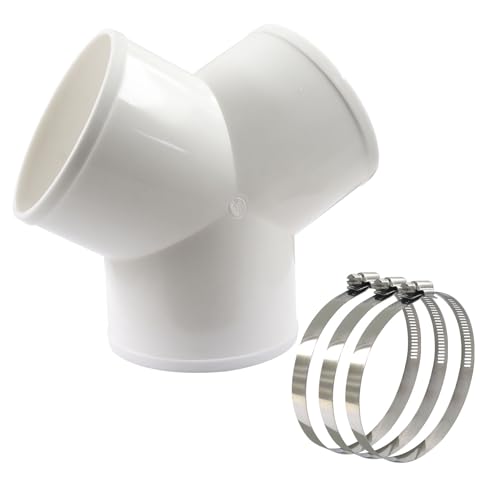
Best For: Residential and light commercial uses where a smooth interior minimizes turbulence and supports steady airflow.
- Strength: ABS plastic with 304 stainless steel option for high durability.
- Design: Three-hole connector with curved interior for reduced wind resistance.
- Limitation: Check compatibility with your hose diameter to ensure a tight seal.
Therwen 4 Inch 3 Way Duct Splitter

Best For: Indoor and outdoor ventilation projects needing a leak-resistant, rust-proof connector. The 4-inch diameter fits standard hoses and provides solid performance in varied environments.
- Material: Galvanized steel for strength and weather resistance.
- Application: Suitable for exhaust fans, kitchen and bathroom ventilation, and dryers.
- Caution: Ensure proper sealing at joints to prevent small leaks over time.
Buying Guide
What should you look for in a 3-way duct splitter?
Key factors include material, diameter compatibility, joint design, and environmental exposure. Match the splitter to your duct size (commonly 4 inches) and consider whether indoor or outdoor use requires galvanized steel or stainless variants.
Material matters: metal vs. plastic
Metal splitters (galvanized steel, stainless) generally offer higher durability and heat resistance, suitable for dryer vents and high-temperature environments. ABS or other plastics are lighter and often adequate for light-duty tasks but may be more susceptible to weathering.
Seam and joint quality
A smooth interior and seamless joints reduce turbulence and air leakage. Look for fittings described as seamless or with minimal interior obstructions to maximize airflow efficiency.
Installation considerations
Check for compatibility with clamps or fasteners. Some products include hose clamps, while others may require separate fittings. Ensure the hub alignment and branch angles align with your duct layout for balanced airflow.
What about installation environments?
Indoor uses benefit from corrosion-resistant metal or finish; outdoor setups should favor galvanized or similarly protected materials to withstand weather and UV exposure.
FAQ
- Do 3-way duct splitters reduce airflow? Yes, any additional branch can introduce some resistance. Choose a splitter with a smooth interior and appropriate diameter to minimize losses.
- Is a 4-inch duct splitter compatible with standard hoses? Most standard 4-inch hoses fit, but verify your hose ID/OD and ensure a proper seal at joints.
- Can I use a duct splitter outdoors? Outdoor use is feasible with galvanized or weather-resistant materials; ensure coatings resist corrosion.
- Do I need clamps for installation? Some splitters include clamps; others require separate clamps to secure hoses and ensure airtight joints.
- Which material lasts longest in humid environments? Galvanized steel and stainless variants typically endure humidity and moisture better than plastic in harsh environments.
- Can a 3-way splitter be used with a single large duct?Yes, but verify that each branch diameter matches your hose or duct for a tight fit and minimal leaks.