Finding the right 5 gallon expansion tank helps protect your water heater and plumbing by absorbing excess pressure from thermal expansion. This guide highlights five 4.5–5 gallon models that align well with typical residential setups, including potable and non-potable configurations. The top picks are best for homeowners upgrading a closed-loop system, small-business installations, or DIY enthusiasts installing a new expansion tank. Each option is evaluated for ease of installation, durability, and suitability for potable water where applicable. A quick buyer table follows to compare the essentials at a glance.
| Product | Capacity | Best For | Notes |
|---|---|---|---|
| TT FLEX Potable Thermal Expansion Tank | 4.5 gallons | Potable water systems and DIYers | Potable-rated, compact, easy install |
| Watts ETX-30 Non-Potable Expansion Tank | 4.7 gallons | Residential/commercial closed loops | Carbon steel, epoxy finish, standard 1/2″ MNPT |
| EFIELD Water Heater Expansion Tank | 4.5 gallons | Potable water protection | Potable certified, simple 3/4″ MNPT |
| Watts GIDDS-1030402 Potable Tank | 4.5 gallons | Commercial/residential potable setups | Stainless steel inlet, 3/4″ MNPT |
| Solimeta 4.5 Gallon Potable Tank | 4.5 gallons | Residential boilers and water heaters | Includes mounting bracket |
TT FLEX Potable Thermal Expansion Tank
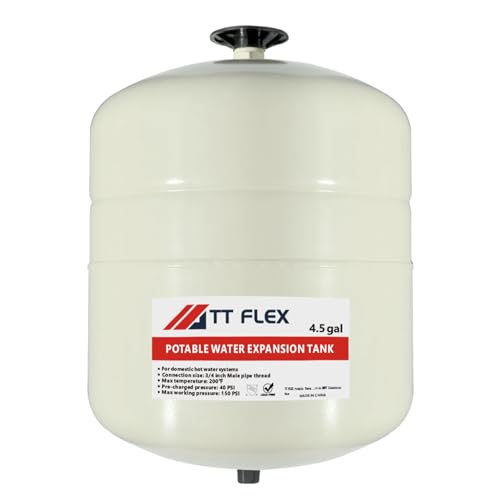
The TT FLEX 4.5 gallon potable expansion tank is designed to accept water expansion caused by heating. It uses a 100% butyl diaphragm with a plastic liner to separate system water from the air precharge. Best for: homeowners needing a compact, straightforward, potable-rated solution for small to mid-size water heaters. Why chosen: its potable rating and simple install process suit DIY projects and professional installs alike. Caution: verify compatibility with your existing precharge and piping configuration to ensure a proper seal.
Watts ETX-30 Non-Potable Expansion Tank

The Watts ETX-30 is a 4.7 gallon expansion tank intended for closed-loop hydronic systems. Built from carbon steel with an epoxy finish, it helps regulate pressure and reduce relief valve activation. Best for: installations needing a non-potable, durable solution with easy mounting to supply piping. Why chosen: versatile mounting and a standard 1/2″ MNPT connection support common residential and commercial layouts. Caution: ensure the system’s pressure settings align with the tank’s maximum working pressure (up to 75 psi).
EFIELD Water Heater Expansion Tank

The EFIELD 4.5 gallon tank provides reliable pressure protection for potable water systems. It absorbs excess thermal pressure and is certified for potable use, ensuring safe water supply. Best for: households needing a potable-rated expansion tank with a standard 3/4″ MNPT connection. Why chosen: potable certification offers peace of mind for drinking water lines. Caution: verify your heater’s precharge and installation space to ensure a proper fit with the 3/4″ MNPT connection.
Watts GIDDS-1030402 Potable Expansion Tank
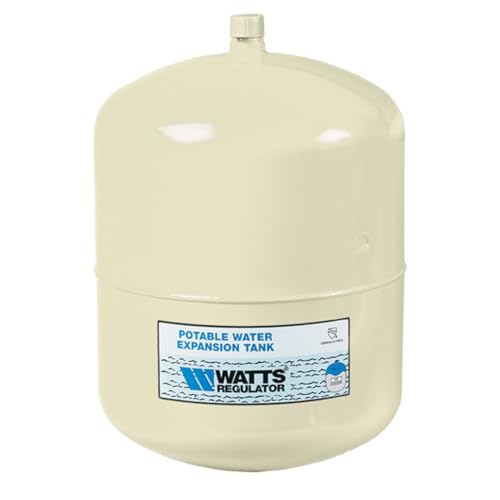
This Watts potable expansion tank features a 4.5 gallon volume with a stainless steel inlet and a 3/4″ MNPT connection. Durable carbon steel construction with an epoxy finish minimizes corrosion while the membrane reduces air charge loss. Best for: enhancing safety in potable water heating systems that require reliable, corrosion-resistant components. Why chosen: stainless inlet and corrosion resistance help extend service life in exposed installations. Caution: ensure a proper mounting orientation to avoid stress on the inlet during expansion cycles.
Solimeta 4.5 Gallon Potable Tank

Solimeta offers a 4.5 gallon potable expansion tank with a 3/4″ MNPT thread and a wall mounting bracket set included. Best for: residential boilers or water heaters where space is limited and a bracket is beneficial for secure placement. Why chosen: the included mounting bracket simplifies installation and reduces the need for extra accessories. Caution: confirm compatibility with your heater’s precharge and ensure the bracket position allows easy access for maintenance.
Buying Guide: Key Considerations For Your Expansion Tank
- Potable vs non-potable: If drinking water lines are involved, choose a potable-rated tank to avoid corrosion or contamination risks.
- Capacity and system pressure: Most 4.5–5 gallon tanks suit typical residential systems, but verify your heater’s expansion needs and the valve’s relief setting.
- Connection size: Common MNPT sizes are 3/4″ or 1/2″. Match the tank to your plumber’s piping and precharge requirements.
- Diaphragm and membrane: A robust butyl diaphragm helps minimize air loss and extend service life; look for tanks advertised with durable membranes.
- Installation and mounting: Consider whether a wall mounting bracket or direct piping mount best suits your space and safety needs.
- Durability: Epoxy-coated carbon steel or stainless steel inlets resist corrosion; examine exterior finishes for protection against moisture and heat.
Frequently Asked Questions
- What is the purpose of an expansion tank?
– It absorbs excess thermal expansion in heating systems to protect the water heater and relieve valves. - What capacity should I choose?
– For most homes, 4.5 to 5 gallons covers typical closed-loop systems; confirm with your system’s specs. - Do I need a potable-rated tank?
– Yes if the tank will contact drinking water or if local codes require potable materials. - What is MNPT, and why does it matter?
– MNPT refers to the male national pipe thread size; ensure the tank’s connection matches your piping. - Can I install an expansion tank myself?
– Yes, if you have basic plumbing skills; follow manufacturer instructions and turn off water supply before installation. - How do I know if my tank needs replacement?
– Signs include frequent relief valve activation, noticeable leaks, or persistent loss of air charge.