Find the right 6″ to 4″ duct reducer to ensure smooth airflow, reduce turbulence, and simplify inline ventilation tasks. These adapters are best for bathrooms, kitchens, grow tents, and general HVAC projects where connecting different duct sizes is needed. The top picks below are suited for different buyers: homeowners upgrading a bathroom vent, hobbyists running hydroponics setups, and professionals installing inline fans. This guide highlights purpose, materials, and how each reducer performs in real-world applications. A quick buying table follows to help compare options at a glance.
| Product | Best For | Material | Notes |
|---|---|---|---|
| Duct Reducter 6 to 4 Air Ducting Reducer Increaser Air Duct Adapter | General HVAC and bathroom exhausts | Galvanized steel | Durable, strong connection; 6″ to 4″ sizing |
| CABAX Duct Reducer 6 to 4 inch | Inline ventilation and DIY projects | PP-Plastic | Moisture resistant; easy connect two sizes |
| AC Infinity Duct Adapter, 6” to 4” | Grow tents and kitchen exhausts needing precise fit | Plastic with raised lips | Designed for airflow efficiency |
| Vyooxcy 6 to 4 inch Duct Reducer | Dryers, HVAC, and flexible hose apps | ABS plastic with stainless steel clamps | Temperature resistant; clamps included |
| Otoolling 6 Inch to 4 Inch Duct Reducer | Industrial and outdoor ventilation | Galvanized steel | Precision tapered design; rugged |
Duct Reducter 6 to 4 Air Ducting Reducer Increaser

Best for projects requiring a rugged metal transition between 6″ and 4″ ducting. This galvanized steel adapter is designed to maintain airflow efficiency by creating a sturdy connection between different duct openings. It suits bathroom exhausts, kitchen hoods, and general HVAC runs where metal rigidity matters. The main advantage is durability in environments with moisture or heat exposure. A potential limitation is bulkier profiles compared with plastic alternatives, which can affect space-constrained installs.
CABAX Duct Reducer 6 to 4 inch

Best for DIY projects needing a seamless 6″ to 4″ duct connection with minimal tools. Made from durable PP plastic, it resists moisture and corrosion, making it suitable for kitchens, baths, and hydroponics setups. It’s lighter than metal options, which can simplify handling. A limitation is potential compression under heavy airflow or long-term heat exposure, where metal components might endure better.
Hon&Guan 6 to 4 Duct Reducer
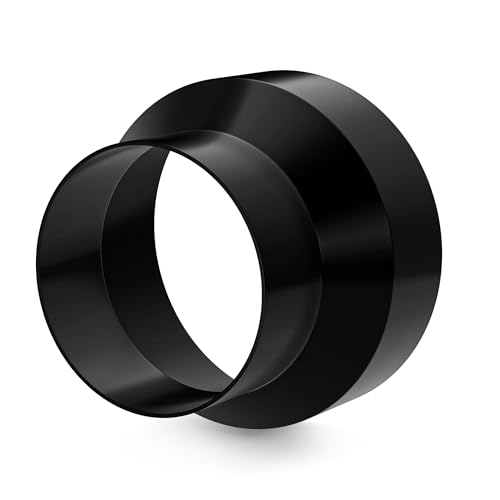
Choose this metal reducer when a robust, long-lasting transition is needed between duct sizes. It uses metal spigots to connect 6″ to 4″ ducting and is compatible with both flexible duct and rigid sheet metal ducts. Best for semi-permanent or professional installations in bathrooms, attics, garages, or HVAC runs. Caution: metallic components can be heavier and require more effort to mount in restricted spaces.
Vyooxcy 6 to 4 inch Duct Reducer

Best for versatile connections including dryer vent hoses and HVAC setups. It uses durable ABS plastic with included 304 stainless steel hose clamps, offering rust-proof fastening. Designed to fit common 6″ to 4″ ducts with precise dimensions. For maximum longevity in high-heat areas, confirm the temperature rating and ensure clamps fit properly to avoid leaks.
Otoolling 6 Inch to 4 Inch Duct Reducer

This galvanized steel reducer is best for industrial or outdoor ventilation projects needing a strong, tapered transition between 6″ and 4″ duct systems. The tapered design helps reduce turbulence and pressure loss, contributing to steadier airflow in long runs. It’s well-suited for HVAC, exhaust, and other demanding environments. Caution: ensure compatibility with your ducting type and mounting space to avoid misalignment.
Buying Guide: Key Considerations For 6″ To 4″ Duct Reducers
Material matters. Metal reducers (galvanized steel) excel in durability and heat resistance, while plastic options can be easier to handle and cheaper for lightweight, non-load-bearing setups. For moisture-prone or humid areas, plastic can still be acceptable if rated for moisture resistance, but metal is often preferred for long-term use.
Fit and tolerance. Confirm inner and outer diameters carefully. A precise fit reduces air leaks and turbulence. If your ducts are slightly off-spec, choose a reducer with slightly larger tolerances or include clamps to secure the joint.
Installation environment. Indoor bathrooms or kitchens benefit from corrosion-resistant materials. Outdoor or attic installations may demand metal components for weather resistance and durability.
Clamps and accessories. Some sets include stainless steel hose clamps; others rely on friction fit. Ensure clamps are compatible with your duct material and provide a tight seal to prevent leaks.
Temperature and airflow. Higher airflow projects benefit from a tapered, low-turbulence design. Check temperature ratings if the reducer will be exposed to heat, such as near cook hoods or hot air exhausts.
Frequently Asked Questions
- What is the purpose of a 6 to 4 inch duct reducer? It connects ducts of different diameters, enabling a smooth transition and maintaining airflow in HVAC, bathroom exhausts, and kitchen ventilation systems.
- Are metal reducers better than plastic? Metal reducers offer greater durability and heat resistance, while plastic options are lighter and often sufficient for moderate, non-extreme use.
- Will a reducer affect airflow efficiency? Yes, a well-designed reducer minimizes turbulence and pressure drop, preserving overall system efficiency.
- How do I choose the right size? Verify both the source and destination duct diameters. The reducer should fit snugly on both ends with clamps if required.
- Should I use clamps with plastic reducers? If included, use them; otherwise, ensure a tight friction fit or add compatible clamps to secure the joint.
- Can I reuse a reducer across projects? Reusability depends on the connector type and condition. Metal reducers generally withstand multiple installations better than disposable plastics.