Looking for the right blast gate to optimize dust collection in your workshop? This guide highlights top 8-inch and compatible blast gates to direct airflow, minimize leaks, and simplify changes between machines. It’s best for shop owners with multi-tool dust systems, contractors setting up shared lines, or hobbyists upgrading to a more efficient setup. The table below summarizes the five selected products and who they’re best for.
| Product | Best For |
|---|---|
| K-Musculo 8″ Industrial Grade Dust Collection Blast Gate | Heavy-duty aluminum, best for permanent lines and demanding dust tasks |
| 8″ Diameter Clamp-together Style Blast Gate | Clamp-together duct systems needing easy balancing |
| POWERTEC 70227V 6-Inch Blast Gate | Moderate-to-large shops with 6″ ducts seeking reliable control |
| POWERTEC 70279 Dust Collection Blast Gate | Budget-friendly, simple 6″ option for basic setups |
| POWERTEC 6 Inch Blast Gate (70385) | Standard 6″ line with easy installation and cloggable design |
K-Musculo 8″ Industrial Grade Dust Collection Blast Gate

Best for: Heavy-duty, permanent installations where air control must be precise. The cast aluminum body and galvanized blade offer durable construction for long-term use. A set screw provides secure adjustment. This gate suits larger, fixed lines in professional workshops or shops with frequent dust-heavy tasks.
Why chosen: It combines rugged materials with a straightforward opening mechanism, which helps maintain suction when switching ducts. It’s a solid fit for 8″ mains that require reliable resistance to warping and corrosion.
Caution: Aluminum construction is lightweight compared to steel; handle with care to avoid dents in tight spaces. Ensure compatibility with your duct dimensions and clamps.
8″ Diameter Clamp-together Style Blast Gate

Best for: Clamp-together duct systems that require easy balancing and quick open/close adjustments. The die-cast aluminum body with a galvanized blade provides a robust fit for various fittings, and rolled edge collars help with secure connections.
Why chosen: It’s designed to fit clamp-together ducts and fittings, making it a flexible option for modular shops. The locking screw supports precise airflow control for multi-machine setups.
Caution: Not all clamp systems are perfectly compatible; verify your duct brand and collar size before purchase to avoid fit issues.
POWERTEC 70279 Dust Collection Blast Gate
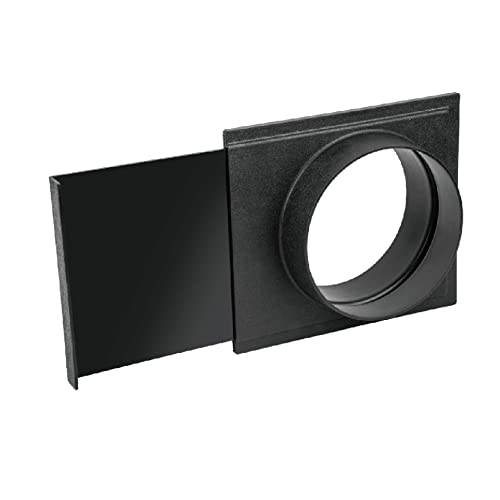
Best for: Budget-conscious shops needing a simple, reliable 6″ blast gate. The ABS plastic body is lightweight and easy to install, suitable for moderate airflow scenarios.
Why chosen: The design emphasizes ease of use, with a deep tapered flange on each side for straightforward attachment to 6″ ID hoses. It helps regulate airflow without complicated assembly.
Caution: ABS plastic may not be as rugged as metal in heavy-duty environments; consider application and expected wear.
POWERTEC 6 Inch Blast Gate, Anti-Clog & Easy-Clearing

Best for: Shops needing a 6″ blast gate with a focus on reducing clogs and simplifying maintenance. The molded single-piece body supports a ramped, gapless design for consistent suction.
Why chosen: The anti-clog and easy-clearing features reduce downtime and keep airflow steady when switching between machines. A seamless sliding gate provides a firm stop when opened.
Caution: This is a 6″ product; verify your duct diameter before buying to avoid mismatches with larger mains.
POWERTEC 70227V 6-Inch Blast Gate

Best for: Directing airflow between machines in a compact 6″ system with easy alignment and protection against leaks. Ideal for multi-tool workflows where quick changes are common.
Why chosen: It features self-cleaning, easy-sliding operation with a locking stop to ensure perfect alignment, helping maintain consistent suction across loops.
Caution: Designed for 6″ ducts; ensure your ducting matches the gate’s diameter to maximize performance.
Buying Guide: Key Considerations for 8-Inch and Compatible Blast Gates
- Material and durability: Aluminum and die-cast metal offer strength, while ABS plastic keeps weight down and lowers cost. For high-dust environments, metal bodies may endure longer.
- Size compatibility: 8″ main gates are ideal for large-diameter mains, but many shops use 6″ gates on branch lines. Always measure duct ID and confirm gate diameter and flange dimensions before purchasing.
- Air-tight design: Look for gates with tight seals, closed-edge designs, or locking stops to prevent leaks when closed or opened.
- Ease of operation: Sliding gates, locking knobs, and simple clamp connections reduce maintenance and setup time across multiple machines.
- Clog resistance: Grooved or seamless designs minimize debris buildup, keeping suction strong and reducing downtime for cleaning.
- Compatibility with fittings: If you use clamp-together ducts, ensure the gate collar matches your system’s fittings to avoid gaps.
- Installation considerations: Some models require hose clamps or specific flange adapters. Prepare needed accessories ahead of installation.
Frequently Asked Questions
- What size blast gate should I choose for an 8″ dust collection main?
– Choose an 8″ gate for the main line or when directing air across large mains; ensure branch lines match the gate diameter for best performance. - Should I use metal or plastic blast gates?
– Metal (aluminum/die-cast) is more durable in heavy use; plastic is lighter and cheaper but may wear sooner in tough environments. - Can a 6″ blast gate be used with an 8″ main?
– It can be used on a branch or smaller duct segment, but the main should stay matched to 8″ to avoid bottlenecks and airflow loss. - Do blast gates affect suction when fully open?
– A well-designed gate minimizes air leaks and maintains suction when open or closed, avoiding pressure drops along the system. - Are locking gates better for tool shops?
– Locking gates help keep the gate in the desired position during tool changes, improving reliability and airflow control. - How do I prevent clogs in blast gates?
– Look for gates with clog-resistant grooves and easy-clearing designs; regularly check gates on less-used lines to prevent buildup.