Answering the question “which insulation wrap is best for an AC unit,” this guide highlights five top options that improve heat retention, moisture management, and outdoor durability. These wraps are suited for homeowners seeking energy efficiency, fewer sealing seams, and longer-lasting pipe protection. The selections cover a range of climates—from hot sun exposure to freezing conditions—so you can choose based on what your system needs most.
| Product | Best For | Why It Stands Out |
|---|---|---|
| 5 Layers HVAC Line Insulation Wrap Cover (AXIFOUJ) | All-weather, long pipes | Five-layer design with extended coverage reduces seams and boosts heat retention. |
| 3-Layer HVAC Copper Pipe Insulation Cover (MYFAMIREA) | Outdoor copper pipes | Triple-layer protection with waterproof outer shell and reflective inner foil. |
| Duck Brand Foam Pipe Covers | DIY indoor/outdoor pipes | Pre-slit, self-sealing edges for quick, secure installation. |
| THERMWELL Frost King Weatherseal Tape | Window A/C seals | Flexible foam tape for sealing around units and blocking drafts. |
| Breeze Stop Insulation Side Panels | Window A/C units | Thick foam panels with vinyl cover for seasonal insulation. |
5 Layers HVAC Line Insulation Wrap Cover 78.7x10in
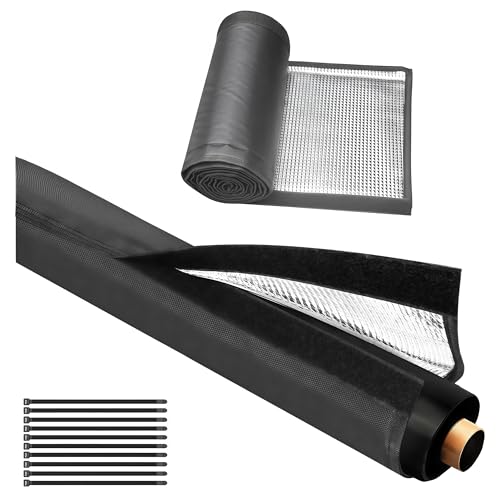
Best-for: Long outdoor refrigerant lines and hard-to-cover configurations. This wrap uses an upgraded five-layer design that improves barrier protection against heat, moisture, sunlight, and physical damage. The 78.7-inch length minimizes seams, offering cleaner installations and potentially fewer leak paths along long runs. The outer shell is waterproof for all-weather use. Choose this if you want maximum insulation with fewer seams on extended piping.
Why selected: The combination of a thick inner core and a durable outer shell makes it a strong, all-season option for uncovered or exposed lines. It is ideal for installations where extended coverage reduces maintenance and enhances sealing performance.
Caution: Ensure accurate measurement of pipe length to confirm the 78.7-inch wrap provides complete coverage without excessive trimming.
3-Layer HVAC Copper Pipe Insulation Cover

Best-for: Outdoor copper pipes and mini-split lines. This sleeve uses a durable 600D Oxford outer shell, soft internal padding, and reflective aluminum foil to minimize heat transfer. It supports energy efficiency by stabilizing pipe temperatures and reducing energy loss in open-air setups. It’s a solid choice when outdoor exposure is a concern and you need weather resistance.
Why selected: The triple-layer design addresses heat reflection, physical protection, and moisture resistance in one package. It’s well-suited for outdoor installations where pipes face sun and humidity.
Caution: The product relies on proper installation for maximum effectiveness; ensure the middle padding is evenly placed to maintain insulation integrity.
Duck Brand Foam Pipe Covers

Best-for: Quick insulation for hot and cold water pipes with curved sections. The pre-slit design and self-sealing edges simplify installation, making it ideal for DIY projects or temporary insulation needs. It helps prevent winter freezing and summer sweating on indoor HVAC lines. Safe up to moderate temperatures.
Why selected: It’s a practical, ready-to-install option for homeowners who want a fast upgrade without specialized tools. The self-sealing feature reduces gaps that could lead to condensation and energy loss.
Caution: This option is best for smaller sections or budget-conscious projects; for long exterior runs consider longer, more robust wraps.
THERMWELL Frost King Weatherseal Tape
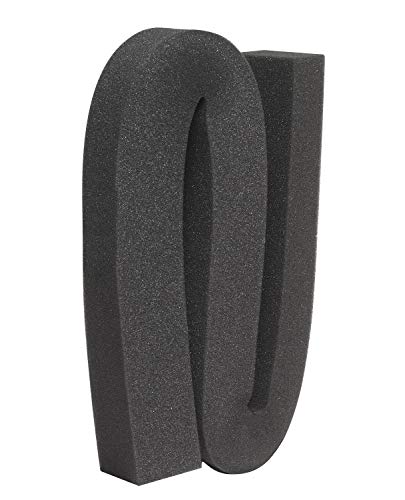
Best-for: Sealing gaps around window air conditioners. This compressible open-cell foam tape blocks drafts, insects, and dust ingress, contributing to improved energy efficiency and comfort. It’s a straightforward upgrade for seasonal window unit installations.
Why selected: Weather seal tape provides a simple, non-invasive solution to reduce air leaks at the unit interface, which can be a major source of energy loss in some homes.
Caution: Tape works best on clean, dry surfaces. It may require replacement if exposed to prolonged sun or extreme weather, as performance can diminish over time.
Breeze Stop Insulation Side Panels
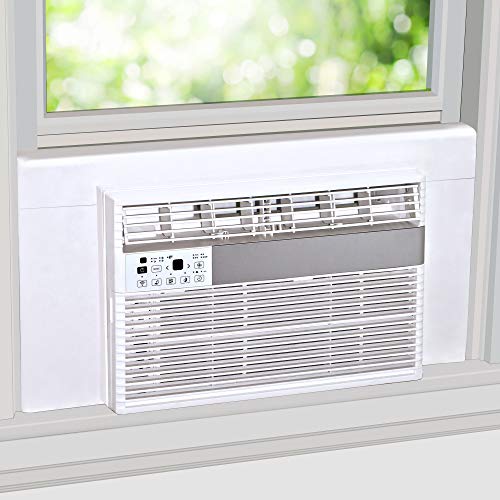
Best-for: Window AC units requiring internal side-panel insulation. The panels are 1 inch thick and use a vinyl cover to seal cold or warm air exchanges, helping maintain interior climate during seasonal transitions. They require cutting to fit smaller windows.
Why selected: These panels offer a dedicated solution for window units that lack built-in insulation on the sides, helping improve overall efficiency and comfort without the need for major remodeling.
Caution: Fit may require cutting; ensure measurements match the window opening to avoid gaps that compromise insulation.
Double Bubble Reflective Foil Insulation Tape

Best-for: Weatherproofing AC hoses and ducts with reflective foil. The double bubble insulation reduces heat loss and protects pipelines from light exposure, making it suitable for attic, garage, or outdoor hoses. It’s a wrap-and-press installation with adhesive backing.
Why selected: The reflective surface helps minimize heat gain, which is valuable in hot climates where AC lines run through non-conditioned spaces.
Caution: This tape is best used with clean, dry surfaces; performance may decline on dusty or oily substrates without proper surface preparation.
Buying Guide
What should I consider before buying an AC unit insulation wrap?
Look for a wrap with adequate thickness and an outer weatherproof layer to resist UV exposure and moisture. For outdoor lines, choose heat-reflective or aluminum-lined designs to minimize heat gain. If installation is DIY, prefer pre-slit or self-sealing options for quicker setup.
How do I measure for the right size?
Measure the length of exposed piping or the surface area you plan to cover. Choose wraps that minimize seams or extend beyond the pipe length to avoid gaps. Some products list exact dimensions; match those to your system’s measurements.
Which materials perform best in extreme weather?
Triple- or five-layer constructions with waterproof outer shells, reflective inner foils, and padded cores typically offer the best combination of insulation, moisture resistance, and durability. For outdoor use, look for 600D or higher outer fabrics and sealed edges.
Are there drawbacks to insulated wraps?
Overly tight wraps can restrict airflow if applied improperly, potentially affecting efficiency. Some wraps require periodic maintenance or replacement due to sun exposure or weathering. Always follow installation instructions for best performance.
How do these wraps affect maintenance and energy bills?
Proper insulation reduces heat exchange and moisture buildup, which can lower energy consumption and lessen duct aging. Fewer seams can also reduce energy losses and improve sealing, especially on longer pipe runs.
FAQ
Q: Do these wraps work for both hot and cold water pipes?
A: Yes, many wraps are designed for both hot and cold pipes, helping reduce heat loss or gain and preventing condensation.
Q: Can I install insulation wraps myself?
A: Many products are designed for DIY installation, especially pre-slit or self-sealing options. Some may require basic tools and careful measurement.
Q: How long do outdoor wraps typically last?
A: Durability varies by material and climate, but weatherproof outer shells and moisture barriers generally extend life in sun and rain exposure.
Q: Should I combine multiple products for best results?
A: It can be beneficial to seal gaps around the unit with weatherseal tape, then add a pipe wrap for insulation, and finally consider side panels for window units to maximize climate control.