Finding a reliable temperature sensor for air conditioners helps diagnose cooling efficiency, optimize HVAC setup, and quickly verify duct or ambient temperatures. This guide highlights five practical options suited to DIY homeowners, technicians, and HVAC enthusiasts. Each picks emphasizes clear reading, ease of use, and compatibility with common AC systems. The quick-reference table below summarizes the main points for fast comparison.
| Product | Best For | Key Benefit | Measurement Range | Connection Type |
|---|---|---|---|---|
| uxcell 2 Pcs 10K NTC Thermistor Probe | HVAC hobbyists | Low-cost, flexible probe | -30°C to +105°C | Epoxy probe, 15.7 in cable |
| AHKWK Air Conditioner Temperature Sensor Thermistor Probe | GREE and compatible units | Universal compatibility | – | Dual sensor design |
| DROK 10K Temperature Sensor Probe | Remote sensing projects | Waterproof stainless steel probe | -25°C to 125°C | 1 m lead, 3-pack |
| TIEXYE 4Pcs NTC 5K Thermistor Probes | Multi-sensor setups | Affordable multi-pack | -30°C to +105°C | 4 probes, waterproof option |
| Wintact Infrared Thermometer | Non-contact spot checks | Safe, fast surface readings | -58°F to 1094°F | Non-contact laser |
uxcell 2 Pcs 10K NTC Thermistor Probes

uxcell provides 10K NTC thermistor probes designed for air conditioner temperature sensing. The kit includes two epoxy-sealed probes with a 15.7-inch wire length suitable for duct or condenser readings. Best for budget-conscious projects requiring simple, direct temperature sensing near AC components. This option is better for setups where a compact sensor head is needed and where the user can integrate the probes into existing control circuits. A potential limitation is that data accuracy depends on proper positioning and calibration within the system.
AHKWK Universal Air Conditioner Sensor Thermistor

AHKWK offers a universal thermistor sensor designed for GREE and similar air conditioning models. It features a dual-sensor design with copper and rubber heads for measuring tube and ambient temperatures. This makes it suitable for diagnosing both coil temperatures and room conditions. Choose this if you need a flexible replacement that can accommodate common fault-code monitoring. A caveat is that exact compatibility should be verified with your specific AC model before installation.
DROK 10K Temperature Sensor Probe
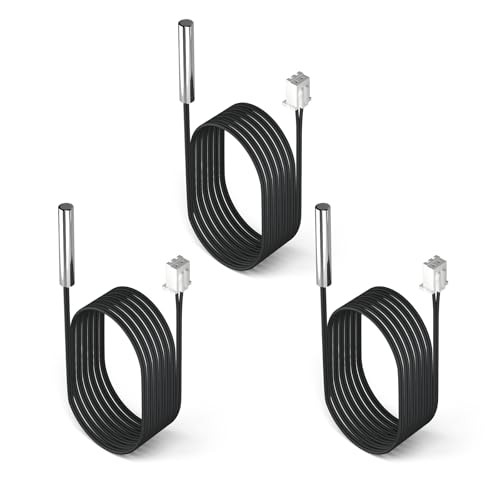
DROK supplies a 10K NTC temperature sensor with a stainless steel probe, described as waterproof and moisture-proof. The one-meter lead length supports remote sensing; the kit is suitable for HVAC projects, automotive readings, or DIY temperature monitoring where a robust, corrosion-resistant probe is desired. Best for installations requiring a durable probe in damp or outdoor environments. A limitation is that the data accuracy depends on proper calibration and secure mounting in the target location.
TIEXYE NTC 5K Thermistor Probes (4-Pack)

TIEXYE provides a pack of four NTC 5K probes with 15.7-inch cables and waterproof copper heads. The 5K thermistor with a wide measurement range makes it suitable for multi-point sensing in larger HVAC setups or projects requiring several temperature checks across ducts or coils. It supports easy installation and good stability. The main consideration is ensuring the 5K thermistor value matches your system’s controller expectations to avoid misreadings.
Buying Guide
What should I consider when choosing an air conditioner temperature sensor?
Key factors include measurement range, sensor type (NTC thermistor vs. infrared), compatibility with your AC model, environmental exposure (indoor vs. outdoor), and how the sensor will connect to your control system. For duct and coil measurements, probes with longer leads and waterproof housings are advantageous. For quick spot checks, non-contact infrared devices provide fast readings without disassembly.
Should I use a non-contact infrared thermometer for AC work?
Non-contact infrared thermometers are best for quick surface checks on evaporator fins, ducts, and external surfaces. They do not measure internal duct temperatures and can be less accurate on shiny or reflective surfaces unless emissivity is adjusted. Use them to validate surface temperatures or to supplement probe data from wired sensors.
How many sensors do I need for a complete view of an AC system?
A practical setup often includes at least two sensors: one for duct or coil temperature and one for ambient room temperature. In larger systems or complex DIY installations, multiple probes (such as a 4-pack) can provide more detailed monitoring across various points.
What maintenance is required for these sensors?
Regular inspection for cable wear, ensuring waterproof housings remain intact, and recalibrating sensors as needed help maintain accuracy. Keep probes clean and free from condensation or oil buildup that could affect readings. Store infrared devices with a protected lens to preserve reading accuracy over time.
Are these sensors compatible with standard HVAC controllers?
Most 10K or 5K NTC thermistor probes fit common HVAC controllers that accept standard thermistor inputs. Always verify the resistance value, lead length, and connector type with your controller’s specifications before installation to ensure proper readings and safe integration.
What is the best choice for a dual-sensor setup?
For a dual-sensor setup, a combination like the AHKWK dual-sensor thermistor and a separate 10K NTC probe (such as the uxcell or DROK options) provides both ambient and coil or duct temperature readings. This approach improves diagnostic capabilities and helps pinpoint cooling inefficiencies more accurately.
FAQ
- Q: What does a 10K NTC thermistor mean for my AC sensor?
A: It indicates the sensor’s resistance at 25°C, used by many HVAC controllers to infer temperature. Ensure the controller expects a 10K NTC input. - Q: Can I install multiple sensors in a single AC unit?
A: Yes, if the controller supports multiple thermistor inputs. Use probes with appropriate lead lengths and waterproofing for each location. - Q: Are infrared thermometers suitable for duct readings?
A: They can measure surface temperatures of ducts but may not reflect internal air or coil temperatures. Use them as a supplementary check. - Q: Do these probes require calibration?
A: Calibration is recommended when precise control is critical. Follow manufacturer guidance for calibration procedures and reference readings. - Q: Which sensor is best for a budget project?
A: Multi-pack NTC probes (like TIEXYE or uxcell options) offer cost-effective ways to add multiple measurement points without specialized equipment.