Air flow switches are essential safety and control devices in HVAC systems. This guide highlights top options that monitor duct and furnace air flow, helping you choose switches that protect equipment, prevent overflow, and maintain efficient operation. Best for residential systems, these picks also suit small commercial setups where robust, reliable sensing matters.
Buyer quick glance: the table below compares five selected products, focusing on suitability, notable strengths, and potential limitations to consider when selecting an air flow switch for an HVAC setup.
| Product | Best For | Key Benefit | Limitation |
|---|---|---|---|
| Tjernlund PS1503 Pressure Activation Switch | Duct fans in central heating and cooling | Simple, reliable pressure-activated control | Basic activation only; limited features |
| Tjernlund PS1503P Plug-in Activation Switch | Plug-in convenience for duct fans | Easy installation with plug-in option | May require compatible wiring if not plug-in |
| Goodman B13701-42 OEM Pressure Switch | Goodman furnace systems | OEM compatibility for furnace applications | Limited to systems using similar OEM specs |
| ClimaTek Furnace Air Pressure Switch (B1370142) | Direct replacement in furnace circuits | U.S.A.-made, top-quality replacement part | May require matching to furnace model |
| Hapivida HVAC Air Pressure Switch | Residential and light commercial HVAC | Broad differential pressure range with SPDT design | More generic; check compatibility specifics |
Tjernlund PS1503 Pressure Activation Switch for Duct Fans

This pressure-activation switch is designed for duct fans in central heating and air conditioning systems. Best for homeowners or technicians seeking a straightforward, hard-wired activation based on furnace or blower activity. The unit is described as an HVAC control and thermostat-related device from a U.S.-based manufacturer, which can simplify sourcing and replacements.
Best for: Duct-fan controls where a simple, reliable pressure signal is sufficient. Why selected: It’s a dedicated switch that directly responds to duct pressure changes, enabling fans to operate in step with the furnace or air conditioner. Caution: It provides core activation without advanced diagnostics—plan for separate protection or monitoring if needed.
Tjernlund PS1503P Plug-in Air Pressure Activation Switch
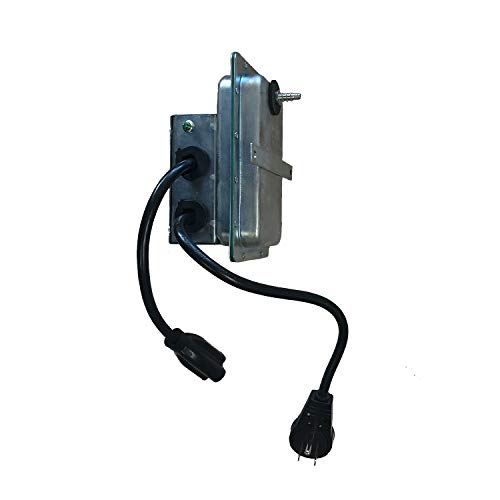
Plug-in version of the PS1503, optimized for easier installation in duct fan circuits. Best for: Installers or DIYers who prefer a plug-in approach to reduce wiring complexity. Why selected: Combines the same sensing logic with the convenience of plug-in wiring. Caution: Ensure the plug-in option matches the existing outlet and wiring standards in your area.)
Goodman B13701-42 OEM Furnace Air Pressure Switch

OEM pressure switch tailored for Goodman furnace systems. Best for: Replacing an original equipment switch in compatible Goodman setups. Why selected: OEM parts typically ensure compatibility and form fit. Caution: Verify model compatibility and the required wiring configuration before installation.
ClimaTek Furnace Air Pressure Switch

This is a ClimaTek replacement switch for furnace air pressure monitoring. Best for: Direct replacement in furnace control circuits where a new, U.S.-made part is preferred. Why selected: ClimaTek offers a top-quality replacement with stated U.S. origin. Caution: Confirm the pressure range and port sizing match the furnace’s requirements.
Hapivida HVAC Air Pressure Switch

Durable mechanical differential pressure switch with SPDT design. Best for: Residential and small commercial HVAC systems needing precise differential sensing in the 50-500 Pa range. Why selected: The SPDT configuration provides switching versatility for fans, blowers, or dampers. Caution: Check system pressure ranges to ensure compatibility with your equipment’s operating window.
Buying Guide: Key Considerations For Choosing An Air Flow Switch
- System type: Is the switch intended for a furnace, a central AC, or a duct fan? Match the switch to the device it will monitor.
- Pressure range: Does your HVAC setup require a narrow or broad differential pressure range? Select a switch whose sensing range aligns with your system’s operating pressures.
- Wiring and installation: Do you prefer a hard-wired model or a plug-in option? Consider existing wiring, local codes, and ease of installation.
- OEM compatibility: For furnaces, OEM switches often ensure smoother replacement and compatibility with the control board.
- Reliability and environment: Look for durable materials suitable for the environment (residential vs. commercial) and for devices subject to condensate, dust, or humidity.
- Safety and protection: Some switches are part of system protection schemes (e.g., condensate or overflow protection). Include these in your risk assessment.
- Maintenance: Consider ease of cleaning and access to sensing ports, especially for condensate-prone installations.
Frequently Asked Questions
- What is an air flow switch in HVAC?
An air flow switch detects airflow or pressure changes in the HVAC system and activates or deactivates a connected device (such as a duct fan or furnace blower) based on detected conditions.
- Why would I replace an air flow switch?
Replacement may be needed due to wear, calibration drift, or when upgrading to a switch with a different sensing range or wiring configuration.
- How do I know which switch to buy?
Match the switch to your equipment type (furnace, central air, or duct fan) and verify the required pressure range, port size, and wiring compatibility with the control board or power supply.
- Can I install an OEM switch myself?
DIY installation is possible for simple, plug-in or standard wiring options, but major replacements should follow manufacturer instructions or be performed by a licensed technician.
- Are there safety considerations for condensate-related switches?
Yes. Some switches protect against condensate overflow by shutting off the system. Proper installation and regular inspection help prevent water damage.
- Do these switches work with any brand?
Many generic switches are designed to be cross-brand, but verify compatibility with your furnace or duct fan model before purchasing.