Answering the question with practical picks, these roof-mounted attic fans are designed to vent hot air and pull cool air through the attic space. They’re best for homeowners seeking improved cooling, longer roof life, and lower energy costs. The top options below cover a range of power, durability, and control features, from thermostat-enabled models to solar-powered units. This guide targets buyers installing on standard American roofs who want reliable exhaust ventilation for attics up to several thousand square feet. A quick comparison table follows to help you skim key specs and intended usage.
| Product | Max CFM | Best For | Key Benefit |
|---|---|---|---|
| Master Flow GAF 1000 CFM PT6 | 1000 | Smaller attics up to 1600 sq.ft. | Energy-efficient operation, durable galvanized steel |
| Master Flow GAF 1500 CFM ERV6 | 1500 | Medium to large attic spaces | Thermostat controller, strong airflow |
| Quietcool AFR SMT ES-2.0 | 1950 | Smart control enthusiasts | Smart app, thermostat, and humidistat |
| iLiving HYBRID Ready | 1150 | Solar and wired control | Solar-ready with programmable thermostat |
| VEVOR 42W Solar Attic Fan | 2800 | Solar-powered cooling | Remote control, smart temp/humidity |
Master Flow GAF 1000 CFM Power Roof Mount Attic Vent Fan

The Master Flow GAF 1000 CFM PT6 is a compact, energy-efficient option designed for attic spaces up to about 1600 square feet. Its galvanized steel construction emphasizes durability and long-term performance, while the energy savings claim is supported by testing data showing reduced electricity use compared with typical vents. Best for smaller to mid-sized attics where steady venting and reliable exhaust are priorities. Caution: limited airflow compared to higher-capacity units, so consider size of your attic if you have extreme heat loads.
Master Flow GAF 1500 CFM Powered Roof Mount Attic Fan
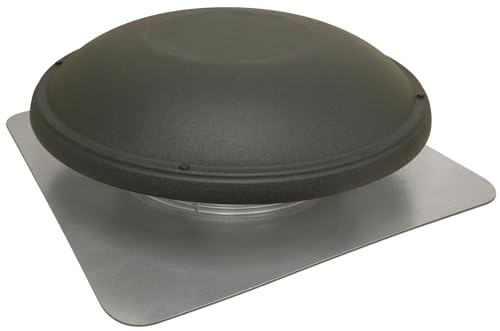
The 1500 CFM model is built for larger attic areas, up to 2800 square feet, and comes with a thermostat controller for easy climate management. Its durable galvanized steel construction adds to long-term reliability, and its higher airflow is better for preventing heat buildup in sunnier climates. Best for homes with medium-to-large attic footprints or spaces where consistent ventilation is essential. Caution: higher airflow can mean more airflow-related noise; check installation for quiet operation in living spaces below the attic.
Quietcool AFR SMT ES-2.0 Roof Mount Smart Attic Fan

The AFR SMT ES-2.0 combines high airflow (up to 1950 CFM) with smart controls, including app-based monitoring and thermostat/humidistat integration. This model is ideal for tech-savvy homeowners who want precise climate control and remote adjustments. Best for modern homes where smart features enhance automation. Caution: app setup and Wi-Fi connectivity are required for full functionality; local controls still work without connectivity.
iLiving HYBRID Ready Solar Roof Attic Exhaust Fan

The iLiving HYBRID Ready combines conventional performance with solar readiness, delivering 1150 CFM and covering up to 2900 square feet of cooling capacity. It includes a smart thermostat feature and adjustable solar panel positioning for sun optimization. Best for homeowners who want a flexible system that can operate on solar or electric power. Caution: installation complexity may increase with solar integration and weather considerations.
Quietcool AFR PRO-1.3 Roof Mount Attic Fan

The AFR PRO-1.3 provides 1266 CFM with a two-speed option and adjustable thermostat for flexible attic ventilation. This model suits spaces requiring moderate airflow with straightforward, plug-and-play setup. Best for users prioritizing simple installation and reliable performance without advanced smart features. Caution: fewer advanced controls may limit automation capabilities in larger, hotter attics.
10 Inch Roof Exhaust Attic Fan By USDGTKN
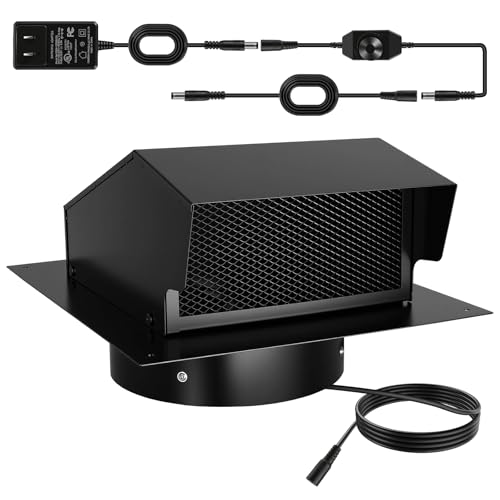
The USDGTKN 10 Inch model is a versatile choice with a 2500 CFM rating and a 16.5-foot power cord. It’s a solid option for medium-to-large attic spaces where quick exhaust is needed. Best for DIY installers seeking a straightforward, plug-in solution. Caution: higher CFM can mean more noise; ensure adequate attic sealing and ducting to minimize sound transmission into living spaces.
Buying Guide: What to Consider When Choosing a Roof-Mounted Attic Fan
- Attic Size And CFM Needs: Match airflow (CFM) to attic size and climate. Too little airflow won’t reduce heat effectively; too much may cause unnecessary energy use or noise.
- Power Source: Electric-powered fans are common, while solar options can save energy but rely on sun exposure. Consider hybrid capabilities if available.
- Control Features: Thermostats, humidistats, timers, and smart apps can improve efficiency. Decide whether you want remote monitoring or simple on/off operation.
- Durability And Weather Resistance: Look for galvanized steel construction and weatherproof housings for long-term outdoor exposure.
- Installation Complexity: Some models are plug-and-play; others require attic wiring or roof penetration considerations. Ensure compatibility with your roof type.
- Noise Levels: Some higher-CFM units can be louder. Check for quiet operation features or sound-dampening designs if the fan will be near living spaces.
- Maintenance: Access to filters, screens, and easy cleaning will reduce long-term upkeep. Built-in screens help prevent pests.
Frequently Asked Questions
- What is the typical CFM needed for a standard attic? A: It depends on attic size and climate, but common ranges are 1000–2000 CFM for mid-sized spaces and up to 2800 CFM for larger or hotter areas.
- Do solar attic fans require sunlight to operate? A: Solar fans use sunlight to power operation, but some models offer electric backup or hybrid functionality for cloudy days.
- How do thermostats affect attic fan performance? A: Thermostats turn the fan on/off based on attic temperature, improving efficiency by venting only when heat builds up.
- Is installation difficult for roof-mounted fans? A: It varies by model; some are plug-and-play, others require roof penetration and wiring. Professional installation may be advisable for complex setups.
- Can attic fans help extend roof life? A: Yes, by reducing heat and moisture buildup, attic ventilation can lessen thermal stress on roofing materials and shingles.
- Are smart attic fans worth it? A: For tech-oriented homes, smart features improve automation and energy savings, but ensure reliable connectivity and proper setup.