Answering your search for an effective through‑the‑wall vent, these options cover common spaces like kitchens, garages, bathrooms, and laundry areas. The right pick depends on space, noise tolerance, and required airflow. This guide highlights five solid choices and explains who each is best for, plus practical buying tips to compare models side by side.
| Product | Best For | Key Benefit |
|---|---|---|
| Broan‑NuTone 512M | Small rooms up to 65 sq. ft. | Simple in‑wall install with built‑in exterior cap |
| VEVOR Through‑The‑Wall Ventilation Fan | Living rooms, bedrooms, kitchens | High airflow up to 205 CFM with quiet operation |
| VENTS‑US GK 125 MA | Bathrooms and basements without existing vents | No‑vent through‑the‑wall option + included ducting |
| 6 Inch Hooded Wall Vent (JYINCPED) | Outdoor exhaust with rain protection | Hooded design with screen and damper |
| 4 Inch Dryer Vent Cover (JYINCPED) | Dryer vent exhaust outdoors | Durable hood with damper for dryer use |
Broan‑NuTone 512M Through‑the‑Wall Vent Fan
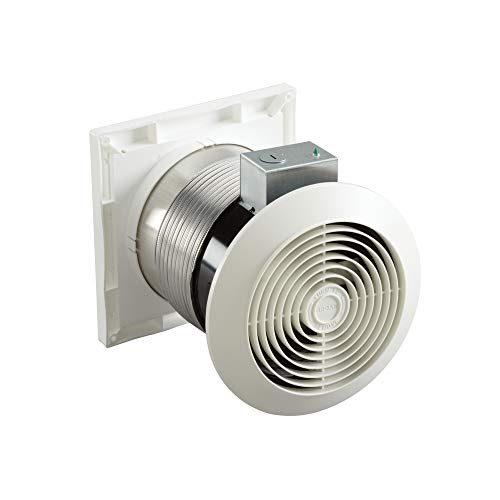
Brand: Broan‑NuTone. This model offers a versatile solution for garages, kitchens, laundry rooms, or rec rooms. It installs directly through the wall with a built‑in exterior vent cap, eliminating the need for ductwork in many setups. The fan operates at 70 CFM, suitable for spaces up to about 65 square feet. It is best for quick, spot ventilation where a compact, easy install is desired. A potential limitation is lower airflow in very large or highly humid spaces.
Best for: small to mid‑sized rooms where a simple, fast install is valued. The built‑in cap simplifies exterior setup, ideal for DIYers seeking a straightforward upgrade.
VEVOR Through‑The‑Wall Ventilation Fan

Brand: VEVOR. This unit is designed for flexible wall installation with compatibility for walls 6 to 8.25 inches thick. It features a quiet AC motor (≤46 dB) and a high airflow of up to 205 CFM, making it well suited for living rooms, bedrooms, or laundry spaces where strong ventilation is needed without excessive noise. A limitation is that higher airflow may consume more power and could require a larger opening than a compact unit.
Best for: spaces needing robust ventilation without compromising daytime quiet, or rooms that benefit from a stronger air exchange.
VENTS‑US GK 125 MA Through‑Wall Exhaust Fan
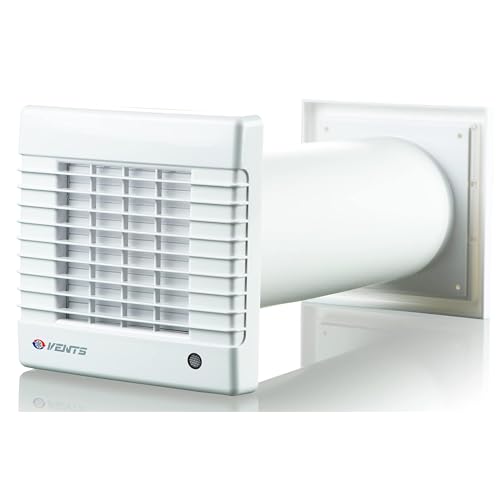
Brand: VENTS. This model provides a reliable 102 CFM airflow through a wall, making it suitable for removing odors, fumes, and moisture in bathrooms, basements, or garages. It includes a PVC duct and vent cover designed to prevent backdrafts. It also offers flexible power options with a plug‑in cord or hardwire capability. A limitation is that it may not be the quietest option in high‑demand spaces.
Best for: spaces lacking existing ventilation where a straightforward through‑the‑wall solution is needed. The included venting components simplify installation.
6 Inch Hooded Wall Vent With Screen

Brand: JYINCPED. This outdoor exhaust vent is designed for wall mounting with a 6‑inch duct connection and a long 8‑1/4 inch vent pipe. It incorporates a mesh screen and damper to prevent ingress from rain or wildlife and to reduce backdrafts. The hooded design aims for a balance of low profile and effective exhaust. A caution is to verify duct diameter before purchasing to ensure compatibility with existing piping.
Best for: outdoor exhausts where weather protection and backflow prevention are priorities. Suitable for kitchens or outdoor wall vents that require a quiet, unobtrusive cap.
4 Inch Dryer Vent Cover Outdoor

Brand: JYINCPED. This hooded vent is sized for 4‑inch dryer vents, with an 8‑1/4 inch pipe length for wall installation. It includes a damper and screen to keep out pests and moisture while allowing airflow. As with other through‑the‑wall caps, ensure the duct diameter matches your system. The main caution is ensuring compatibility with existing dryer ducting and space constraints on the exterior wall.
Best for: exterior dryer vent protection where a damped, screened vent cap is desirable to minimize backflow and weather intrusion.
Buying Guide: Key Considerations For Through‑The‑Wall Vents
What room size and airflow do you need? Measure the target area and compare CFM (cubic feet per minute) recommendations for the space to avoid undersizing venting. High‑CFM models work better in larger rooms or fast humidity reduction, but may require more power and a bigger wall opening.
Wall thickness and installation ease: Some units specify compatible wall thickness ranges. Choose a model with a straightforward cut and wiring path if you want a DIY install. Built‑in exterior caps simplify exterior wiring in many setups.
Noise level: Look for dB ratings or low‑noise motors if the vent will run during the day or in living spaces. Quiet options are often preferable in bedrooms or offices.
Backdraft prevention: Dampers and backdraft capabilities help prevent conditioned air from flowing back into the wall when the fan is off. This is especially important in colder climates or in outdoor‑exposed locations.
Weather protection and pest prevention: Hooded designs, screens, and damper features help keep rain, dust, and insects out of the duct while allowing efficient exhaust. Ensure the exterior vent portion is rated for outdoor use in your climate.
Power and wiring options: Some models offer plug‑in cords, others are hardwired. Consider your electrical setup, local code requirements, and whether you’ll hire a professional for a hardwired installation.
Frequently Asked Questions
- What is the typical airflow you should look for in a through‑the‑wall vent? Choose a model rated for the room size; common ranges are 70–205 CFM, with higher values for larger or more humid spaces.
- Do you need ducting for a wall vent?” Many models include an exterior vent cap and can operate without additional ducting, but check installation requirements for your chosen unit.
- Can these vents be installed in any wall? Wall compatibility varies by thickness and material. Verify wall thickness, insulation, and fire‑stopping codes before cutting.
- Are there energy‑efficiency concerns with through‑the‑wall vents? Higher airflow can improve humidity control but may affect energy use; select a model meeting your space’s needs without over‑ventilating.
- What maintenance is required? Regularly inspect dampers, screens, and permits to remove dust buildup and ensure unobstructed airflow.
- Which model is best for bathrooms without existing ventilation? Look for a through‑the‑wall unit with adequate CFM and a backdraft damper, plus a simple installation path for a wall lacking ductwork.