Answering the search intent: these products provide controlled pressure relief for blowers, air pumps, and related equipment. Best for facility managers, technicians, and DIY enthusiasts who need reliable over-pressure protection and adjustable relief settings. The top picks cover compact residential units to industrial-style valves, with variations in materials, installation sizes, and adjustable ranges. This guide highlights five solid options and explains who each is best for, why it was chosen, and any important limitations to consider before purchase. A quick buyer’s table is provided to help compare core options at a glance.
| Product | Best For |
|---|---|
| Blower Pressure Relief Valve | RV-01 | Industrial blowers needing precise 0-300 mbar control |
| Speedmaster PCE650.1001 Roots Style | Root-style blower systems requiring robust relief valves |
| Sellerocity Brass Pressure Relief 0-100 PSI | Versatile pneumatic setups needing adjustable relief in psi |
| Valley Industries 400 PSI Relief Valve | Higher-pressure applications with quick adjustment |
| UPLYKKE Vacuum and Air Relief Valve | Irrigation and duct systems needing high-flow relief |
Blower Pressure Relief Valve | RV-01

Features include a adjustable 0-300 mbar working range and a safety-oriented design intended to maximize efficiency while protecting air rings and vacuum pumps. The valve’s millimetric precision supports tight control over system pressure. Best for industrial blowers where accurate relief is critical. A potential limitation is the absence of explicit material details in the listing, which may matter for corrosive environments. Suitable for users seeking a compact, adjustable relief solution with strong safety emphasis.
Speedmaster PCE650.1001 Roots Style
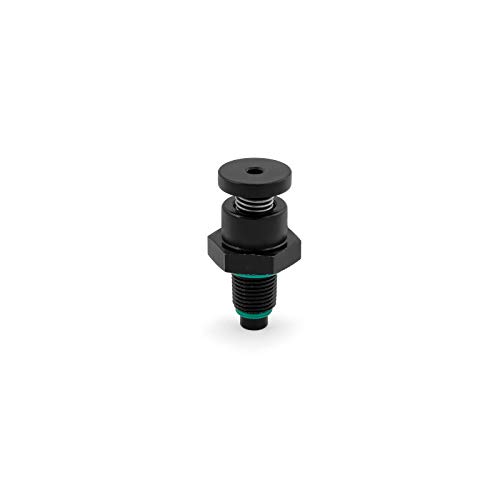
Best for roots-style blower systems that need a dedicated relief path. The description notes aluminum construction and compatibility with 6-71, 8-71, and 10-71 applications, marking it as a rugged choice for classic blower setups. Choose this if your system uses roots-style gear and you want a purpose-built valve. A limitation is limited public detail on pressure range beyond general compatibility, so verify exact specs for your model before purchasing.
Sellerocity Brass Pressure Relief Valve

Best for varied compressor and pneumatic applications requiring a 0–100 psi relief with micrometer-style adjustment. Brass and stainless construction suggests good durability and leak resistance, with universal 1/4″ NPT threading for broad compatibility. The micrometer knob supports precise thresholds, but the listed materials may require consideration in highly corrosive environments. Ideal for retrofit projects due to straightforward installation.
HKAOSDUUH Thermal Relief Valve

Best for thermal protection on pressure washers and similar equipment that experience temperature spikes. Designed to release water when internal temperatures rise, helping prevent pump damage. It’s a straightforward 1/4″ NPT valve with a thermal release function. Limitation: focused on thermal rather than purely pressure-based relief, so ensure temperature-triggered protection matches your use case.
Valley Industries 400 PSI Relief Valve

Best for higher-pressure systems requiring quick, reliable relief at around 400 psi. Features include 3/4″ MNPT inlet and 3/4″ FNPT outlets with Viton seals and a knurled locknut for easy compression and adjustment. Good for robust machinery and piping networks. Limitation includes larger size and potentially higher installation clearances compared with compact valves.
UPLYKKE Air Relief Valve

Best for irrigation and larger air release needs with a high-flow design, including dual exhaust ports for rapid clearing of gas in pipelines. The corrosion-resistant PA material supports long service life. A caution is that the listing emphasizes flow design and port size rather than a precise relief range, so confirm your required pressure threshold before purchase.
Buying Guide: Key Purchase Considerations
- Pressure range: Match the valve’s adjustable range to your system’s operating pressures. Consider whether you need a fixed or tunable relief point.
- Materials and environment: Choose brass, stainless, or aluminum based on corrosion resistance and temperature exposure.
- Thread size and installation: Verify NPT size and compatibility with your equipment to avoid adapters or retrofit work.
- Flow and port design: For high-flow systems, look for valves with larger ports or dual-exhaust designs to minimize pressure build-up.
- Thermal versus pressure relief: If overheating is a risk, thermal relief features add protection beyond pressure limits.
- Maintenance and seals: Viton or similar seals offer better leak resistance in many environments; check service life expectations.
Practical Comparison At a Glance
- Best for precise 0–300 mbar control: RV-01
- Best for roots-style blowers: Speedmaster Roots Style valve
- Best for adjustable psi protection: Sellerocity Brass Relief Valve
- Best for high-psi, quick adjustment needs: Valley Industries 400 PSI valve
- Best for high-flow irrigation or duct systems: UPLYKKE Air Relief Valve
Frequently Asked Questions
- What is a blower pressure relief valve used for?
It protects blowers and connected equipment by releasing excess pressure to prevent damage. - How do I choose between PSI and mbar ranges?
Use PSI for US systems and mbar for metric or European standards; match to your operating pressure. - Can I install these valves myself?
Most are designed for straightforward installation with standard NPT fittings, but follow manufacturer instructions and safety guidelines. - Are thermal relief valves necessary in all setups?
Not always; thermal relief is beneficial where heat buildup poses a risk to pumps and seals. - What maintenance is required?
Regular inspection of seals and threads, and confirming the relief point remains accurate after servicing.