Best boiler pressure relief valves are essential safety components that protect hot water boilers and hydronic heating systems from dangerous pressure buildup. This guide highlights five reliable options, explaining who each valve is best for and why it stands out. Ideal buyers include homeowners maintaining residential boilers, property managers overseeing light commercial systems, and professionals replacing aging relief valves. The table below provides quick at-a-glance guidance on who should consider each product.
| Product | Best For |
|---|---|
| dyseer 3/4″ FNPT 30 PSI | Residential boilers up to 510,000 BTU; easy replacement |
| Gulfmew 1 Pack 30 PSI | Upgrade or replacement; includes sealing tape |
| Watts 374A-030-FS | Boilers needing flood sensor and adjustable control |
| Gulfmew 2 Pack 30 PSI | Bulk replacement for multi-zone systems |
| ZEZHIMI S1156F Replacement | High-capacity boiler feed and adjustable settings |
dyseer 3/4″ FNPT 30 PSI Automatic Pressure Relief Valve
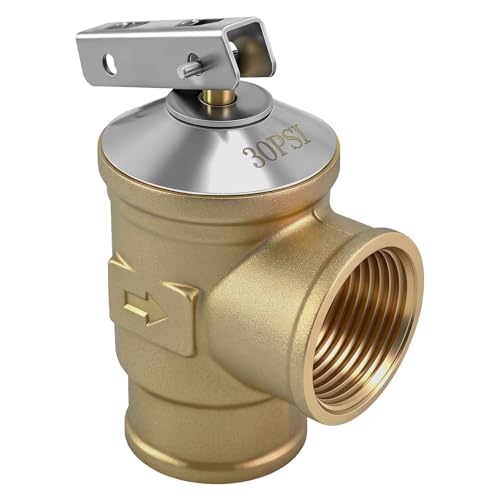
The dyseer valve features a standard 3/4″ FNPT inlet and outlet for straightforward replacement on most residential boilers and light commercial systems up to 510,000 BTU. It opens automatically at 30 PSI to vent excess pressure, helping prevent overpressure damage. The brass construction is lead-free and designed to endure high-temperature operation. Best for homeowners replacing an aging valve or installing a new boiler with a common 3/4″ connection.
What to know: This option is best for systems needing a simple, reliable 30 PSI relief without additional monitoring features. It may be less ideal if your setup requires integrated flood sensing or higher/adjustable relief thresholds.
Gulfmew 1 Pack 30 PSI Pressure Relief Valve

This brass valve provides a 3/4″ NPT threaded connection and a 30 PSI relief setting. It includes PTFE thread seal tape for improved leakproof performance and is described as a solid replacement for older boiler relief valves. Best for users who want a single-pack option with necessary sealing tape included. A caution: not suitable for drinking water delivery systems, and gloves are recommended during installation to avoid burns from hot surfaces.
Watts 374A-030-FS Iron Boiler Pressure Relief Valve

The Watts 374A-030-FS is an iron-bodied relief valve with a 3/4″ NPTF inlet and outlet and a 30 psi setpoint. It includes a flood sensor option via SentryPlus technology, designed to monitor for excessive discharges (activation kit required). Best for systems where added monitoring is desired or required by code. Consider this if your installation benefits from an integrated flood-sensing solution; otherwise, you may opt for a basic 30 PSI valve.
Gulfmew 2 Pack 30 PSI Pressure Relief Valve

This set includes two 3/4″ NPT threaded brass relief valves at a 30 PSI setpoint with a roll of PTFE thread sealing tape. It’s ideal for homeowners managing multiple heating zones or replacing aging valves across a system. The one-piece construction minimizes leak paths, offering reliable performance. Best for bulk replacement projects; caution: not intended for drinking water systems.
ZEZHIMI Replacement for S1156F Brass & Tubular Water Pressure Regulator
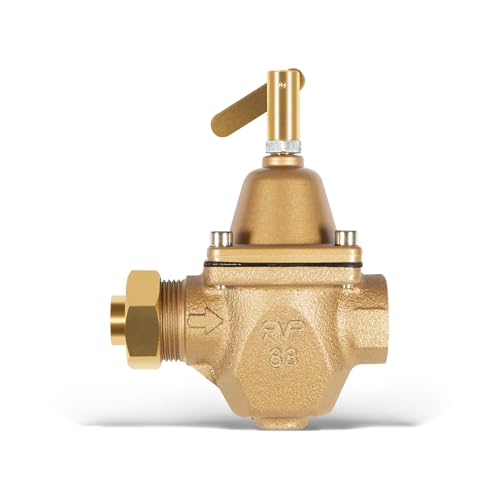
This model targets users seeking a high-capacity boiler feed water regulator as a replacement for Watts S1156F. It emphasizes adjustable pressure settings for tailoring to specific boiler requirements and a fast-fill lever for easier system purging and maintenance. Best for commercial or residential systems that require reliable water feed control and easier serviceability. Limitation: verify compatibility with your specific boiler model and alignment with local codes before installation.
Buying Guide: Key Considerations For Boiler Relief Valves
What pressure setting do you need? Most residential boilers use 30 PSI relief valves, but some systems or commercial setups may require higher or adjustable settings. Check your boiler manufacturer’s recommendations and local codes before selecting a valve.
Material and durability matter. Brass or bronze bodies resist corrosion and high temperatures better than cheaper materials. For systems with frequent pressure cycles, a robust construction reduces the risk of leaks and premature failure.
Connection type and size. The standard 3/4″ FNPT or NPT connections cover the majority of residential and light commercial boilers. Confirm the inlet and outlet threading on your boiler to ensure compatibility.
Leak prevention features. Look for one-piece valve bodies and included sealing tape to improve leak resistance. If your system already has a discharge line flood sensor, consider a model like the Watts 374A-030-FS that supports monitoring features.
Maintenance and accessibility. Valves with easy serviceability, fast-fill levers, and accessible discharge paths simplify purging and maintenance, reducing downtime during replacement or adjustments.
Installation safety. Always depressurize the system before replacement, wear protective gloves, and ensure the water is drained to a safe level to avoid burns or scalding injuries during installation.
FAQ
- What is a boiler pressure relief valve and why is it important? It automatically vents excess pressure to prevent dangerous overpressure conditions that could damage the boiler and piping.
- What PSI setting should I choose for a home boiler? Most residential boilers use 30 PSI relief valves, but always follow the boiler manufacturer’s guidance and local codes.
- Can I replace a valve myself? Yes, if you have basic plumbing skills and you follow safety steps to depressurize and drain the system. Use proper sealing tape and verify compatibility with your boiler.
- Should I select a valve with flood sensing? If your setup benefits from monitoring, a valve with an optional flood sensor provides an extra layer of safety and easier maintenance.
- Is a two-pack valve kit better than buying singles? For multi-zone or multi-boiler setups, a two-pack can save time and ensure consistent replacement parts across the system.
- What materials are best for hot water systems? Brass or bronze bodies offer durability and corrosion resistance in high-temperature environments, making them common choices for boiler relief valves.