Answering the common buyer question: what downrod length should I choose to raise my ceiling fan for better air flow? This guide highlights top-rated ceiling fan extension downrods designed for tall rooms, with a focus on non-threaded options and threaded variants to fit a wide range of fans. The featured products suit different ceiling heights and mounting needs, and are best for homeowners upgrading airflow in rooms with high ceilings or angled installations. A quick comparison table helps you pick the right length at a glance.
| Product | Length | Diameter | Threaded | Best For |
|---|---|---|---|---|
| DPXMYG 36 inch Ceiling Fan Downrod (Not Threaded) | 36 inch | 1 inch | No | Moderate ceiling height upgrades; simple installs |
| DPXMYG 72 inch Ceiling Fan Downrod (Not Threaded) | 72 inch | 1 inch | No | Very high ceilings; dramatic elevation needed |
| DPXMYG 48 inch Ceiling Fan Downrod (Not Threaded) | 48 inch | 1 inch | No | General tall-room upgrades; flexible fit |
| Sibosen 18 Inch Downrod (Not Threaded) | 18 inch | 1 inch | No | Smaller height adjustments; easy handling |
| DPXMYG 24 inch Ceiling Fan Downrod (Not Threaded) | 24 inch | 1 inch | No | Mid-range height needs; budget-friendly |
DPXMYG 36 Inch Ceiling Fan Downrod (Not Threaded)

The DPXMYG 36 inch downrod is an unthreaded extension designed for compatibility with a broad range of fans that use non-threaded connections. It measures 36 inches in length with a 1 inch outside diameter and is described as a high-strength metal piece. Best for buyers who need a straightforward, unthreaded option to lift a ceiling fan in rooms with standard tall ceilings. A potential limitation is that this downrod will not fit fans with threaded original downrods, so verify your fan’s end style before purchasing.
DPXMYG 72 Inch Ceiling Fan Downrod (Not Threaded)
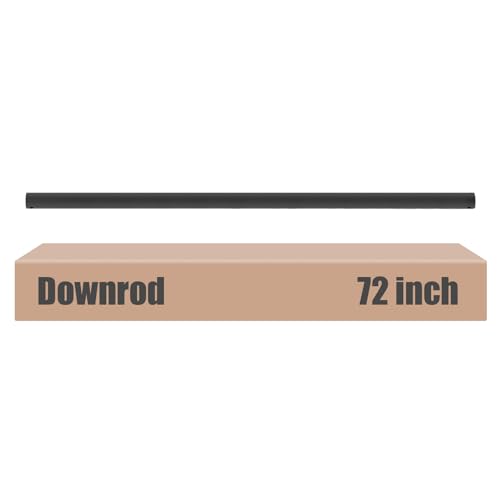
This DPXMYG downrod extends to 72 inches and is unthreaded at both ends. It is positioned as a solution for very tall rooms where extra reach is required. The 1 inch diameter and high-strength metal construction support stable fan operation. It is best for users with high ceilings who prefer a simple, non-threaded installation. Note that if your fan’s original downrod is threaded, this model will not fit.
DPXMYG 48 Inch Ceiling Fan Downrod (Not Threaded)

The 48 inch DPXMYG downrod is a non-threaded option suitable for mid-to-tall ceiling heights. Its unthreaded ends simplify installation, especially for fans whose mounting hardware favors smooth connections. Best for homes needing a balanced lift without threading complications. A limitation to watch: ensure your fan’s existing downrod style matches the new model’s unthreaded ends.
Sibosen 18 Inch Downrods for Ceiling Fans
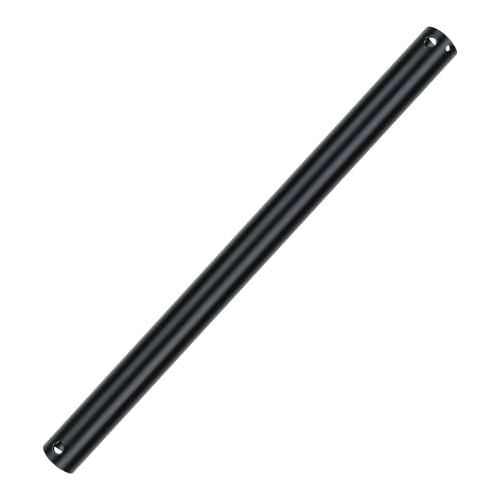
The Sibosen 18 inch downrod is an unthreaded, 1 inch diameter rod described as heavy-duty metal. It fits most standard ceiling fans that use non-threaded extensions. It’s best for smaller height adjustments or when a compact lift is needed. Choose this if you’re upgrading a fan in a room with a modest increase in height; avoid if your fan requires a longer extension or threaded compatibility.
DPXMYG 24 Inch Ceiling Fan Downrod (Not Threaded)

The 24 inch DPXMYG downrod is an unthreaded extension with a 1 inch diameter, designed for flexible mid-range height adjustments. It’s best for rooms with slightly elevated ceilings where a compact lift is sufficient. A caution: verify both ends are unthreaded to ensure compatibility with your fan’s mount.
DPXMYG 36 Inch Ceiling Fan Downrod With Threaded End

This variant offers a threaded end, compatible with both threaded and non-threaded fan couplings. It provides a 36 inch length with a 1 inch diameter. Best for users who need a versatile downrod that can adapt to different fan mounting configurations. Check compatibility with your fan’s threading before purchase. A limitation is that threaded models may require extra care during installation to align wires and mounting hardware.
DPXMYG 16 Inch Ceiling Fan Downrod (Not Threaded)

The 16 inch DPXMYG downrod is a shorter unthreaded option for modest height increases. Best for rooms with moderate ceiling heights or when a subtle lift is sufficient. If your fan requires a longer extension, this model may not meet the height needs. Ensure the end configuration matches your fan’s mounting hardware.
Buying Guide
- Threaded vs. unthreaded ends: Threaded downrods work with fans that already use threaded couplings. If your fan has an unthreaded original downrod, choose an unthreaded replacement to avoid fit issues.
- Length selection: Measure your ceiling height and desired fan blade clearance. Longer downrods provide more vertical space for improved airflow in tall rooms, but must still clear furniture and fixtures.
- Diameter and compatibility: Most common downrods use a 1 inch outside diameter. Confirm your fan’s mounting hub and canopy compatibility before purchasing.
- Material and finish: Metal construction with corrosion resistance is recommended for long-term durability. Matte black finishes blend well with modern decors and many fan styles.
- Installation effort: Unthreaded models tend to simplify installation. If threading is required, be prepared to thread wires and connect hanging balls carefully to avoid binding or misalignment.
- Ceiling type and angle: For angled ceilings, verify that the downrod interface supports angle mounting and will not interfere with the canopy or fan housing.
Frequently Asked Questions
- What length downrod should I choose for a room with a 10-foot ceiling? A 6-12 inch downrod is typically enough to improve airflow without creating clearance issues, but verify with your fan’s canopy height and blade clearance.
- Can I mix threaded and non-threaded components? No. Use either threaded or unthreaded downrods consistently with your fan’s mounting hardware to avoid fit problems.
- Do downrods affect fan performance? They primarily adjust elevation; the length can influence air movement patterns, especially in rooms with extreme ceilings or obstructions.
- Is a longer downrod safer for high ceilings? Yes, longer downrods can help keep blades at a safe distance from ceilings or beams, but ensure the canopy and wiring are properly secured.
- What should I verify before ordering? Confirm compatibility with your fan’s downrod type (threaded vs. unthreaded), the exact length you need, and the canopy clearance in your ceiling.
- Are these downrods universal? Most are designed to fit a wide range of fans, but always check the product notes for end compatibility and recommended usage.