When selecting a commercial restaurant exhaust fan, the goal is reliable high airflow, robust build, and safe, compliant operation for busy kitchens. The top picks below are best for different buyer needs, including food trucks, canopy hood setups, and full kitchen hood installations. This guide helps restaurant owners, facility managers, and contractor buyers choose the right model for their space and local codes.
| Product | CFM / Motor | Best For | Notes |
|---|---|---|---|
| FICBXRA 3500 CFM High-Speed Upblast | 3500 CFM / 1 HP | Busy kitchens or commercial restaurants with high heat load | Heavy-duty, lightweight aluminum; roof or wall mount |
| FICBXRA 1900-2600 CFM Canopy Hood Fan | 1900-2600 CFM / 0.5 HP | Food trucks and canopy hood installs | UL705 and ETL rated; compact footprint |
| FICBXRA 1900-2600 CFM Hood Fan | 1900-2600 CFM / 0.5 HP | Commercial kitchens with hood venting | Direct drive centrifugal upblow; ETL listed |
| CXRCY 1400 CFM Upblast Roof Exhaust | 1400 CFM / copper motor | Medium-sized spaces; warehouses or kitchens | All-copper motor; weatherproof housing |
| VEVOR 2109 CFM Canopy Hood Exhaust | 2109 CFM / 0.75 HP | Outdoor installations; low-noise requirements | IP54 weatherproof; low noise |
FICBXRA 3500 CFM High-Speed Upblast Exhaust Fan

This high-speed centrifugal upblast exhaust fan delivers 3500 CFM with a 1 HP, 110V single-phase motor. It is designed for restaurant grease ventilation and general airing needs. Best for large kitchens with heavy grease loads where roof or wall mounting is feasible. The aluminum construction offers corrosion resistance and lighter weight for easier installation.
Best for: Large-volume commercial kitchens or food-service operations needing maximum exhaust capacity in a compact package that can be mounted on a roof or wall. Caution: Ensure electrical supply and mounting structure meet local codes for high-CFM equipment.
Key features: 1 HP motor, 110V, direct-drive centrifugal upblast, lightweight aluminum, grease-rated design.
FICBXRA Canopy Hood Exhaust Fan 1900-2600 CFM
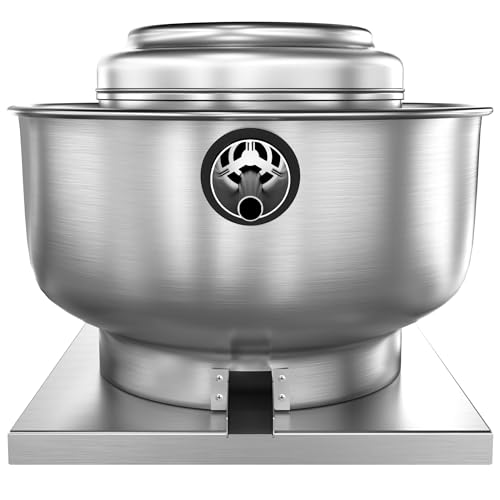
This model provides 1900-2600 CFM with a 0.5 HP, 110V single-phase motor. It’s UL705 and ETL rated, suitable for canopy hood setups on food trucks or smaller commercial kitchens. The direct-drive centrifugal design ensures reliable airflow with less maintenance compared to belt-driven units.
Best for: Food trucks or canopy hood installations where moderate-high airflow is needed without heavy electrical or structural demands. Caution: Performance varies with duct length and backdraft conditions.
FICBXRA Hood Exhaust Fan 1900-2600 CFM

This 1900-2600 CFM, 0.5 HP exhaust fan is designed for restaurant hood use, offering robust grease-rated performance. UL705 and ETL ratings provide electrical compliance assurances. Suitable for kitchens with moderate exhaust demands and conventional duct layouts.
Best for: Medium-sized restaurant kitchens requiring reliable hood exhaust without excessive power draw. Caution: Check duct routing to maintain efficient airflow and minimize noise.
CXRCY 1400 CFM Upblast Roof Exhaust

With 1400 CFM and a full copper motor running at 2700 RPM, this roof exhaust fan focuses on energy efficiency (260W) while providing solid airflow for factories, warehouses, or kitchens. The all-weather spun-aluminum housing is designed for durability in challenging environments.
Best for: Spaces needing durable, energy-conscious exhaust with weather resistance. Caution: Lower CFM compared to larger kitchen models, so verify airflow needs before purchasing.
VEVOR 2109 CFM Canopy Hood Exhaust
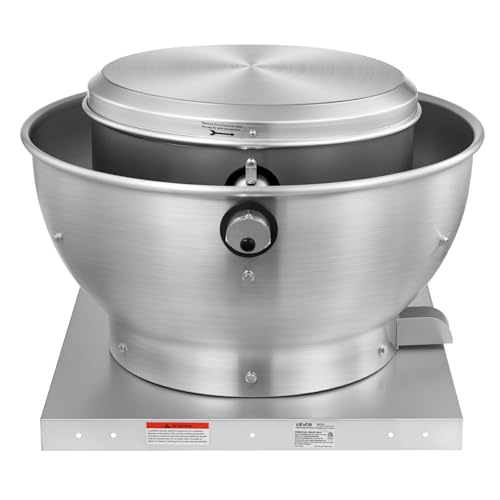
VEVOR offers 2109 CFM at 0.75 HP for direct-drive canopy hood ventilation. The unit emphasizes weatherproofing (IP54) and a noise-conscious operation, suitable for outdoor installations where environmental exposure is a factor. The aluminum alloy construction adds durability for frequent use.
Best for: Outdoor or semi-outdoor kitchens where weatherproof performance and moderate to high airflow are needed. Caution: Noise level is acceptable but may be noticeable in quiet zones; consider sound-dampening if needed.
Buying Guide: Key Considerations For Selecting A Commercial Restaurant Exhaust Fan
- Airflow needs: Match CFM to kitchen size, hood type, and grease load. Higher CFMs are better for busy kitchens, but require appropriate ducting and electrical supply.
- Motor and drive: Direct-drive centrifugal upblast fans are common in restaurant settings for reliability and simpler maintenance, while belt-driven designs can offer flexibility on torque but may require more upkeep.
- Voltage and phase: Most models here run on 110V single-phase or 208-230V for larger units. Confirm available electrical service and any required permits.
- Mounting location: Roof or wall mounting affects installation costs, drainage considerations, and exposure to weather. Weatherproof housings extend life outdoors.
- Ratings and compliance: UL705, ETL listings, and ETL-listed components indicate electrical and safety compliance. For outdoor use, IP ratings matter.
- Durability: Stainless or corrosion-resistant aluminum housings help resist grease, humidity, and cleaning chemicals in kitchen environments.
- Noise: Consider decibel levels when the fan operates near dining areas or offices. Some models advertise low-noise operation.
- Energy efficiency: Copper motors and wattage relate to operating costs. Higher efficiency reduces long-term energy use.
- Maintenance: Access for cleaning and grease removal is critical. Choose fans with straightforward serviceability and accessible blades.
- Code considerations: Local fire and ventilation codes may require specific exhaust rates, backdraft dampers, or fire-rated duct sections. Consult a professional for compliance.
Frequently Asked Questions
- What is a suitable CFM for a medium-size restaurant? – A mid-size kitchen often requires 1500–3000 CFM, depending on hood size, cooking load, and duct length. Larger kitchens may exceed 3000 CFM.
- Is a 110V fan sufficient for a busy kitchen? – Many smaller or canopy-hood fans use 110V single-phase motors; for larger exhaust needs, 208–230V options are common. Always match voltage to electrical supply and code requirements.
- Why choose a direct-drive fan over belt-driven? – Direct-drive fans generally provide simpler maintenance, fewer moving parts, and reliable performance in consistent operating conditions. Belt-driven can offer more flexibility in torque but require belt upkeep.
- What does ETL or UL listing indicate? – Listings show compliance with safety and electrical standards, which helps ensure reliability and code conformity in commercial kitchens.
- Can outdoor fans handle grease and weather exposure? – Weatherproof housings and corrosion-resistant materials are essential for outdoor or semi-outdoor installations to extend life and performance.
- How important is noise for kitchen ventilation? – Noise affects staff comfort and customer experience. If the exhaust is near dining areas, prioritize models with lower decibel ratings or add sound-dampening measures.