Direct drive centrifugal blowers are compact, efficient solutions for moving air in small-to-mid size spaces. This guide highlights five top options, clarifying who each product is best for and why it stands out. Ideal buyers include HVAC installers seeking OEM-style replacements, DIY homeowners improving attic or workshop ventilation, and appliance manufacturers needing reliable direct-drive fans. The table below provides a quick snapshot of the featured models.
| Product | HP | RPM | Voltage | Notes |
|---|---|---|---|---|
| US Motors 4742 Direct Drive Blower | 1/6 | 1650 | 115V | Compact, 1-phase, stud mounting |
| Fasco Direct Drive Blower Motor | 1/18 | Unknown | 120V | Made in United States |
| Genteq ECM Direct Drive Blower | 1 | 1070 | 115/230 | ECM design, versatile mounting |
| CHIOWO DL1026 Direct Drive Blower | 1/4 | 1075 | 115V | Three-speed, compatible with several brands |
| E-Motor Nations 4748 | 0.5 | 1650 | 115/230 | Direct drive, dual voltage |
US Motors 4742 Direct Drive Blower

The US Motors 4742 is a 1/6 HP, 1-phase centrifugal blower designed for compact ventilation needs. It runs at 1650 RPM and uses stud mounting for straightforward installation. This model is best for small equipment enclosures or DIY projects where a lightweight, direct-drive solution is preferred. A limitation is the lower horsepower, which means it’s best suited for lighter airflow tasks rather than high-demand ventilation.
Fasco Direct Drive Blower Motor

The Fasco B45227-1 Direct Drive Blower Motor is a smaller, 1/18 HP unit made in the United States. It’s well-suited for compact HVAC or blower assemblies where space is at a premium. The main consideration is availability of compatible drive components and mounting hardware when replacing an older unit. Choose this if you need a compact, domestically manufactured blower with straightforward installation.
Blower, 60 CFM, 115V
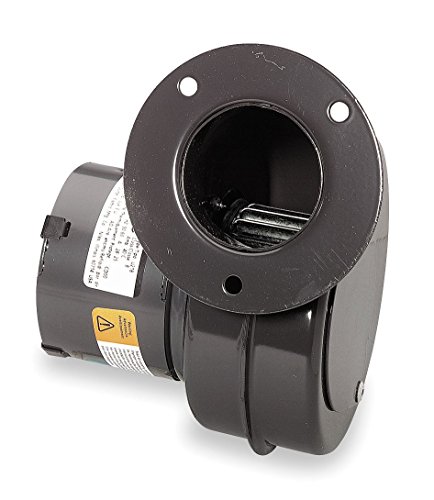
This 60 CFM, 115V centrifugal blower from toauo is a practical choice for modest airflow needs in hobby workshops or small appliance housings. The listing notes a 3030 RPM speed, indicating a balance between air movement and noise. It’s best for lightweight tasks where moderate airflow is sufficient and where cost efficiency matters. Avoid this if you need higher CFM or more precise speed control.
Genteq Brushless Direct Drive Blower

The Genteq ECM Direct Drive Blower is a 1 HP, brushless direct-drive model designed for continuous operation in HVAC/R applications. It features an ECM design for efficient operation and a wide voltage compatibility range (115/230/240V, etc.). This option is best for larger ducts or systems requiring robust airflow and variable-speed potential. A notable limitation is the higher complexity and cost compared to basic direct-drive units.
E-Motor Nations 4748 Blower

The 4748 from E-Motor Nations is a 0.5 HP direct-drive blower with 1650 RPM at 115/230V. It’s a solid mid-range choice for residential or light commercial ventilation where a balance of airflow, mounting simplicity, and dual voltage capability is beneficial. It may require careful mounting alignment to ensure stable operation and reduce vibration.
Dayton 1TDV4 Draft Inducer Blower

The Dayton 1TDV4 draft inducer is designed for high-temperature applications and replaces several older blower models. It lists a 6-1/8″ wheel diameter and a compact housing. This option is best for stove or fireplace setups where draft induction is essential. It provides a robust build but is more specialized than general-purpose blowers, so verify compatibility with your system.
1TDU9 Fireplace Stove Blower Motor

The 1TDU9 is a fireplace and stove blower motor designed for Dayton-compatible systems. It delivers 76 CFM with speeds of 2680/3020 RPM and runs on 115V. This model is best for hearth applications where a reliable auxiliary blower enhances flame distribution. A limitation is the need for compatible mounting and ductwork specific to stove assemblies.
Buying Guide
What should you consider when choosing a direct drive centrifugal blower?
- Horsepower and airflow: Higher HP generally means more CFM, but also more energy use and noise. Match blower capacity to the space you need to ventilate.
- Voltage and compatibility: Check your system’s voltage and whether the unit supports dual voltage or single voltage. ECM blowers offer efficiency benefits but may cost more.
- Mounting and space: Consider stud mounting, band mounting, and available enclosure space. Direct-drive units are typically compact but still require proper alignment.
- Duty cycle and environment: Continuous duty is common in HVAC and industrial settings. Be mindful of ambient temperature and enclosure conditions.
- Control and speed: If you need variable airflow, choose models with speed control or ECM technology. Fixed-speed units are simple and reliable for basic tasks.
- Compatibility with existing systems: Some blowers are designed as direct replacements for certain brands or models. Verify fitment with your current setup.
Direct-drive vs. belt-driven: where direct drive shines
- Direct-drive blowers tend to be smaller and quieter due to fewer moving parts, making maintenance easier.
- They deliver immediate torque and consistent RPM, which can improve system stability in compact applications.
- For larger spaces or high-demand applications, consider higher HP models or belt-driven options if airflow requirements exceed what direct-drive can efficiently provide.
Installation and safety tips
- Follow manufacturer mounting instructions to minimize vibration and noise. Use appropriate isolation if needed.
- Ensure electrical connections meet local codes and use proper enclosure protection for humid or dusty environments.
- Verify duct sizing and avoid sharp turns that reduce efficiency and increase noise.
Maintenance considerations
- Inspect mounting hardware and inspect for unusual vibration or noise, which can indicate misalignment or wear.
- Keep the blower area clean to prevent debris from entering the housing or motor area.
- For brushless ECM models, follow service guides for motor cooling and capacitor or drive checks as recommended.
Frequently asked questions
- What is a direct drive centrifugal blower good for? – It provides compact, reliable air movement for small to mid-size ventilation or HVAC applications where space is limited.
- Do I need a specific HP to match my system? – Yes. Match HP and RPM to the airflow needs of your space and ensure electrical compatibility with your setup.
- Are ECM blowers more efficient than standard direct-drive motors? – In many cases, ECM designs improve efficiency and offer speed control, but at a higher upfront cost.
- Can I replace a blower motor with a different brand? – Replacement depends on mounting, shaft size, voltage, and duct connections. Verify compatibility before purchasing.
- Is dual-voltage useful for blowers? – Dual voltage offers flexibility for systems that operate on either 115V or 230V, but confirm the unit supports your supply.
- What maintenance is required for direct-drive blowers? – Regular inspection of mounting, electrical connections, and debris in the housing helps maintain performance.