Ejector pump check valves protect plumbing by preventing backflow and reducing water hammer. This guide highlights five top options for American buyers, focusing on quiet operation, durability, and easy installation. Best for homeowners replacing old valves, small businesses needing reliable backflow control, and DIYers seeking straightforward installs with minimal noise. The table below compares key details to help you choose quickly.
| Product | Brand | Best For | Key Feature |
|---|---|---|---|
| PumpSpy Silent Check Valve CV-150 | PumpSpy | Quiet, easy install | Spring-loaded flapper with clear body |
| Zoeller 30-0151 2-Inch Check Valve Union | Zoeller | Heavy-duty, high-flow | Cast iron, full-flow design |
| Campbell Silent Check Valve 2″ | Campbell | Budget-friendly quiet option | Brady silent design |
| Ceoighe Quiet Sump Pump Check Valve, 2″ | Ceoighe | Transparent body for flow visibility | Spring-loaded, reduces water hammer |
| Zoeller 30-0242 Quiet Check Slip Union, 1-1/2″ | Zoeller | Easy slip-on union | Clear body, compact length |
PumpSpy Silent Check Valve CV-150
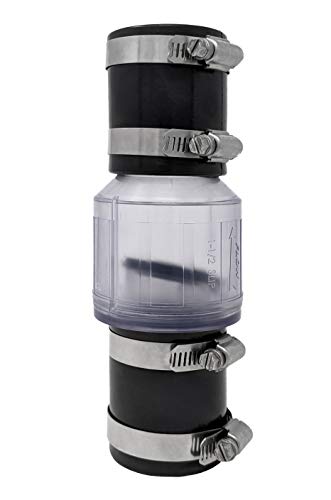
The PumpSpy CV-150 features a spring-loaded flapper designed to minimize water hammer noise typical of standard check valves. It includes Buna-N rubber couplings and stainless steel clamps for a quick, tool-free installation on 1-1/2″ Schedule 40 pipes. The clear valve body provides visual confirmation of water flow and pump operation. Best for homeowners prioritizing quiet operation and easy visual inspection.
Best for: Home basements, laundry areas, and small utility rooms where noise reduction and quick checks are valued. A potential limitation is its 1-1/2″ sizing, which may require adapters for other pipe diameters.
Zoeller 30-0151 2-Inch Cast Iron Slip x Slip Check Valve Union

Zoeller’s 30-0151 combines heavy-duty cast iron construction with a full 2″ flow design to maximize discharge capacity while preventing backflow of wastewater and sewer gases. The slip-on installation uses flexible neoprene unions and stainless clamps that fit over various pipe materials without threading. Best for: Systems needing rugged durability and reliable backflow protection in larger discharge lines. Caution: Cast iron requires proper handling in corrosive environments.
Campbell Silent Check Valve, 2″

The Campbell model features a Brady silent design for 2″ links on both ends. It emphasizes quiet operation in sump and drainage lines. Installation is straightforward with compatible piping, and the price point is commonly accessible for budget-conscious buyers. Best for: Simple, affordable silent backflow control in residential setups. Limitation: Basic design may lack some advanced visibility features found in other models.
Ceoighe Quiet Sump Pump Check Valve

This 2″ PVC check valve by Ceoighe uses a spring-loaded flapper to reduce water hammer and maintain stable flow. Its transparent valve body allows quick visual checks of flow and potential blockages. Best for: Users who want visibility and quiet operation in one package. Limitation: Some installations may require additional fittings for optimal fit in non-2″ systems.
Zoeller 30-0242 Quiet Check Slip Union 1-1/2″

Zoeller’s 30-0242 features a slip-union design with a transparent body for easy flow inspection. It is sized at 1-1/2″ and aims to minimize water hammer with a quiet operation profile. Best for: Smaller discharge lines where visibility and simple installation are priorities. Limitation: Not ideal for high-flow needs due to its smaller diameter compared to 2″ options.
Buying Guide
Key considerations when choosing a sump or ejector pump check valve:
- Flow capacity: Match valve size to your pipe diameter and pump output. Larger diameters (2″) handle higher flows; smaller sizes fit tight spaces.
- Noise reduction: Look for spring-loaded flappers or silent valve designs to minimize water hammer in living areas or finished basements.
- Material durability: Cast iron offers rugged longevity in harsh environments; PVC/CPVC bodies and Buna-N seals are common in residential systems.
- Installation method: Slip-on unions and clamp fittings simplify retrofits; avoid valves requiring thread cutting unless you have compatible tools.
- Visibility: Clear or transparent bodies help verify flow and detect clogs without disassembly.
- Backflow prevention reliability: Ensure the valve orientation and one-way flow design match your drainage setup.
Frequently Asked Questions
- What is a sump pump check valve, and why is it important?
It prevents backflow from the discharge line into the pump and basin, reducing backpressure and water hammer. - Which valve is quietest for residential basements?
Valves described as silent or spring-loaded flapper designs typically minimize noise best in quiet environments. - Do I need a 1-1/2″ or 2″ valve?
Choose based on your pipe size and pump outlet. Use 2″ for higher flow needs and 1-1/2″ for standard residential setups. - Can I install a valve without professional help?
Many values offer slip-on unions and clamps for DIY installation, but verify compatibility with existing piping and code requirements. - Are transparent valve bodies necessary?
They aid diagnostics by showing flow status, but are not essential for function. - What should I inspect if the valve leaks after installation?
Check clamps, unions, and the flapper seating; ensure the correct orientation and seal integrity.