When choosing a torpedo heater for garages, job sites, or construction spaces, you want reliable heat, wide coverage, and safe operation. This guide highlights five top-rated propane and diesel torpedo heaters that deliver strong BTU output, durable construction, and practical safety features. Each selection is evaluated on heating capacity, fuel options, efficiency, and portability to help you compare effectively.
| Product | |||
|---|---|---|---|
| Habitio 125,000 BTU | 75,000–125,000 | Up to 3,125 sq ft | CSA Certified |
| Habitio 170,000 BTU | 120,000–170,000 | Up to 4,250 sq ft | CSA Certified |
| BILT HARD 125,000 BTU | 75,000–125,000 | Up to 3,125 sq ft | CSA Certified |
| PioneerWorks 80,000 BTU | 80,000 | Up to 2,000 sq ft | CSA Certified |
| BILT HARD 85,000 BTU (Kerosene) | 85,000 | Up to 2,200 sq ft | CSA Certified |
Note: This overview focuses on portable torpedo heaters that can operate in larger spaces while maintaining safety features like auto shut-off, overheat protection, and robust construction. Always follow manufacturer instructions for venting, fresh-air requirements, and gas connections to ensure safe operation.
Habitio 125,000 BTU Propane Torpedo Heater
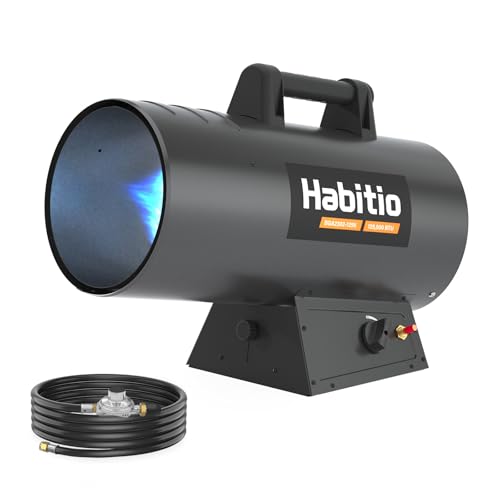
The Habitio 125,000 BTU model delivers strong warming power suitable for large spaces, such as job sites and garages. It uses propane, with a 10 ft hose and regulator included for quick setup. Features emphasize safety, including pulse ignition for reliable startup and programmed protections to prevent overheating and gas leakage. Coverage reaches into thousands of square feet, making it a practical option for contractors and workshop environments that require fast heat.
Key considerations: ensure a well-ventilated area and verify gas connections with a wrench to prevent leaks. Noise is typical for high-output heaters but remains manageable for on-site operations. CSA certification adds a level of confidence in safety compliance.
Habitio 170,000 BTU Propane Torpedo Heater

This higher-capacity Habitio unit covers up to 4,250 sq ft with an impressive 120,000–170,000 BTU/h range. It’s designed for large job sites, keeping spaces warm quickly. The same safety themes apply—pulse ignition, overheat protection, automatic shutdown on power loss, and CSA certification. Acknowledge its noise level as part of efficient heating in larger environments, and confirm gas-tight connections for long-term reliability.
BILT HARD 125,000 BTU Propane Torpedo Heater

The BILT HARD 125,000 BTU model offers robust heating for spaces up to about 3,125 sq ft. It emphasizes economical operation, claiming several hours of run time on a standard 20 lb propane cylinder, and a quieter burn relative to typical torpedo heaters. The design prioritizes safety with auto shut-off protection and auto-cut-off features to prevent gas leaks. Its sturdy build makes it suitable for long-duration work on construction sites and outdoor events.
PioneerWorks 80,000 BTU Diesel/Kerosene Heater
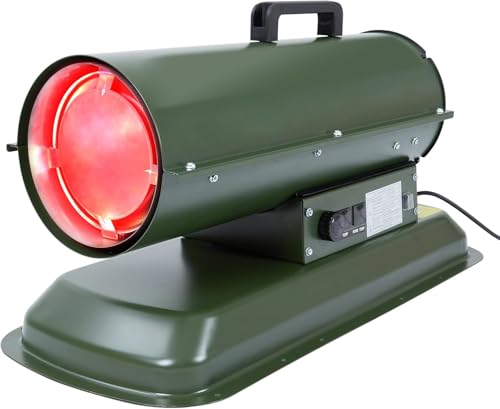
The PioneerWorks heater uses multiple fuel options, enabling kerosene, diesel, home heating oil, or jet fuel. It can run up to roughly 9.5 hours on a full tank (capacity around 4.76 gallons). It provides high-output heat suitable for large spaces such as job sites and garages. It includes useful features like thermostat control and a compact footprint for portability. Ensure proper ventilation and fuel handling according to the manual to optimize performance and safety.
BILT HARD 85,000 BTU Kerosene Diesel Torpedo Heater

With 85,000 BTU and multi-fuel capability, this BILT HARD model is designed for flexibility across outdoor and indoor spaces up to about 2,200 sq ft. It supports kerosene and DOE-grade diesel, offering self-diagnostics, thermostat control, and an indicator lamp. The design emphasizes rugged steel construction, making it suitable for outdoor work sites and industrial applications where reliable heat is essential during cold conditions. As with other torpedo heaters, proper venting and fuel type selection are important for efficiency and safety.
Buying Guide: Key Considerations For Torpedo Heaters
- Space and BTU needs: Choose a heater with enough BTU to heat the target area without excessive run time. Larger spaces benefit from higher BTU models such as Habitio 125k and 170k, while smaller garages may suit models around 60k–85k.
- Fuel type and availability: Propane models are common for indoor and outdoor use when ventilation is adequate. Diesel and kerosene options offer long-running heat in remote sites but require careful fuel handling and odor management.
- Ventilation requirements: These units burn fuel and emit exhaust. Ensure proper ventilation and follow local codes. In well-ventilated spaces, consider models with auto shut-off and oxygen depletion protection features.
- Safety features: Look for overheat protection, auto shutdown on power loss, and leak-prevention measures. CSA certification indicates adherence to safety standards.
- Portability and setup: Consider weight and handle design, hose length (10 ft is common), and included regulators for quick setup on job sites.
- Noise and comfort: Higher-output units may be louder. Plan workspace layout to minimize disruption while maintaining effective heat distribution.
- Maintenance: Regularly inspect hoses, connections, and ignition components. Tighten fittings as recommended to prevent leaks and ensure consistent performance.
In summary, the best torpedo heaters for American job sites balance high BTU output, durable construction, and versatile fuel options. When selecting, align the model with your space size, ventilation capabilities, and safety requirements to secure reliable warmth during cold seasons.