Answer: For fan coil air systems, choose cleaners that can penetrate deep into evaporator and condenser coils, are safe for metal fins, and offer no-rinse or light-rinse options to fit your maintenance routine. The top picks below suit DIY homeowners, professional technicians, and property managers who want easier coil cleaning and improved airflow. Each product targets coil buildup, saves energy, and helps extend system life when used as part of a regular maintenance plan.
| Product | ||
|---|---|---|
| Leak Saver Foam Blaster AC Coil Cleaner Foam Spray – 1 Pack | Foam spray (no rinse for evaporators) | DIY homeowners and professionals needing deep penetration |
| Leak Saver Foam Blaster AC Coil Cleaner Foam Spray – 3 Pack | Foam spray (no rinse evaporators; light rinse condensers) | Bulk maintenance for multi-unit homes or service techs |
| Midwest Hearth Air Conditioner & Refrigerator Coil Cleaning Brush | Fin cleaning brush | Owners or technicians cleaning stubborn fins and dust |
| Trans/Air 301712 Micro-Channel Condenser Coil (3-Fan) | Replacement coil for 3-fan condensers | Facilities with Trans/Air 3-Fan units needing a coil replacement |
| ERRECOM Clima-Net 34 fl oz Cleaner for Coils | Universal coil cleaner for central/split systems | Homes and offices with central or split systems |
Leak Saver Foam Blaster AC Coil Cleaner Foam Spray

Best for: DIY homeowners and service professionals who want deep coil penetration without heavy rinsing. The cleaner uses a high-pressure, focused spray that drives cleaner into the coil before foaming, reaching buildup hidden below the surface and deodorizing drain pans.
Why selected: It offers a no-rinse option for evaporators and light rinse for condensers, which suits systems that operate during cleaning. The expanding foam liquefies grime after penetration, helping restore efficiency with a mild scent.
Caution: Avoid applying to damaged or severely corroded coils without professional assessment. High-pressure foam may intensify agitation on fragile fins if misapplied.
Leak Saver Foam Blaster AC Coil Cleaner Foam Spray – 3 Pack

Best for: Maintenance crews or multi-unit households needing repeated coil cleanings. The 3-pack provides the same high-penetration formula in multiple canisters for convenience.
Why selected: It mirrors the single-pack formula with the same no-rinse/ light-rinse versatility, emphasizing deep cleaning and deodorizing performance across multiple coils.
Caution: Ensure adequate ventilation during use and follow label directions to avoid over-foam on sensitive surfaces.
Midwest Hearth Coil Cleaning Brush
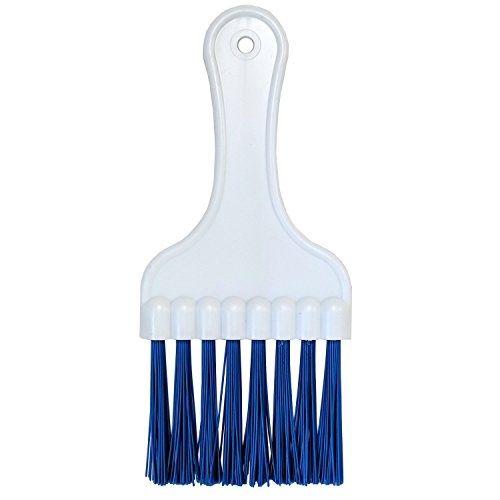
Best for: Technicians or DIYers cleaning stubborn coil fins and dings that foams cannot reach. This long-bristle brush is designed to dislodge caked-on dirt and dust from condenser and evaporator fins.
Why selected: It supports fast, manual fin cleaning and works across various appliances, including window units and HVAC components, helping restore airflow and efficiency.
Caution: Bristle wear over time may reduce effectiveness; inspect bristles before use and replace when worn.
Trans/Air Micro-Channel Condenser Coil (3-Fan) Replacement

Best for: Facilities with designated Trans/Air 3-fan condenser units needing a reliable replacement coil to restore system integrity.
Why selected: The micro-channel, all-aluminum brazed construction provides durable performance. It is a direct-fit replacement for specific 3-fan assemblies, helping maintain refrigerant containment after coil failure.
Caution: Verify coil compatibility by matching the label to 301712 or the exact model before ordering to avoid fitment issues.
ERRECOM Clima-Net Coil Cleaner for Central and Split Systems

Best for: Homes or offices with central air conditioning or split systems needing a universal coil cleaner that also targets ducts and filters.
Why selected: It’s formulated to clean central and split components, improving airflow by removing dirt and contaminants from coils, ducts, and filters, contributing to healthier indoor air and steady cooling performance.
Caution: Use as directed for your system type; some cleaners may require shorter dwell times on sensitive components like plastic drain pans.
Buying Guide
Key considerations for coil cleaners and related tools:
- No-Rinse vs Light-Rinse: No-rinse products are ideal for evaporators in operation; light rinses are better for condensers or systems with accessible drainage.
- Penetration vs Surface Cleaning: High-penetration foams go deeper into coils; brushes target stubborn fins and dust buildup.
- System Type Compatibility: Central, split, window, and 3-fan condenser units may require different formulations or replacement coils.
- Safety and Material Compatibility: Look for non-toxic formulas that are safe for metal fins and non-damaging to plastics and seals.
- Maintenance Frequency: Regular cleaning can improve airflow, reduce energy use, and extend coil life; plan replacements if you see persistent corrosion or leaks.
- Application Method: Decide between aerosol foams, bulk sprays, or manual tools based on space, accessibility, and technician preference.
Frequently Asked Questions
- What is the advantage of a no-rinse coil cleaner?
It allows cleaning while the system remains in operation, reducing downtime and avoiding manual rinsing near electronics. - Can I use coil cleaners on all types of fan coil units?
Most are formulated for evaporators and condensers, but always check the product label for compatibility with your specific unit. - How often should I clean AC coils?
Professional guidance varies, but many installations benefit from annual or biannual cleaning, especially in dusty environments. - Are replacement coils a better option than cleaning?
Replacement is usually reserved for damaged or leaky coils; cleaning is a cost-effective maintenance step when coils are still sound. - Should I hire a technician for coil cleaning?
DIY can handle basic cleaning, but technicians should be consulted for deep cleaning, large systems, or suspected refrigerant issues. - Do these cleaners affect indoor air quality?
Properly used cleaners can improve airflow and air quality by reducing dust buildup on coils and ducts.