Answering the common buyer question: which fiberglass duct wrap insulation options provide reliable thermal performance, easy installation, and safer handling for DIY projects? This guide highlights five top picks that balance fire safety, ease of use, and energy savings. The top picks range from simple, no-glove applications to flexible, reflective wraps designed to reduce heat loss and condensation. Ideal for homeowners, contractors, and DIY enthusiasts seeking durable duct insulation that fits standard HVAC ducts.
Summary table of selected products:
| Product | Best For | Material Type | Key Benefit |
|---|---|---|---|
| Frost King CF55 Foil Backed “No Itch” Duct Wrap | Everyday duct runs | Foil-backed natural cotton | Insulates, cushions, reduces vibrations |
| TWCUSEP Reflective FRK Duct Wrap (4 ft x 10 ft) | Condensation prevention | Glass fiber with FRK facing | Flexible, energy-code compliant |
| Maasechs R6 Fiberglass Duct Insulation Wrap (Foil Faced) | DIY upgrades | Fiberglass with foil facing | Thick insulation, easy to cut and install |
| Thermwell SP55 12″ x 15′ Fiberglass Insulation | Standard replacement rolls | Fiberglass insulation | Solid all-around insulating performance |
| Frost King Foil Backed Fiberglass Pipe Wrap | Pipes and hoses | Fiberglass with foil backing | Durable wrap for pipes |
Frost King CF55 Foil Backed “No Itch” Natural Cotton Duct Wrap

Features: Insulates, cushions, and reduces vibrations on heating and AC ducts; safe alternative requiring no gloves, face mask, or goggles; Class A fire rating. This product is best for: homeowners seeking a straightforward, ready-to-install duct wrap that dampens sound and vibration and reduces heat transfer on standard ducts. It is a solid choice for DIY projects where a soft, cotton-based wrap is preferred over harsher fibers. Caution: ensure proper handling if cutting to size to avoid loose fibers, even with “No Itch” labeling.
TWCUSEP Reflective FRK Duct Wrap (4 ft x 10 ft)

Features: Reflective Soft-R FRK facing laminated to a glass fiber blanket; designed to meet NFPA 90A/90B and other mechanical energy codes; flexible and easy to install; helps prevent duct condensation and increases occupants’ thermal comfort. Best for: projects requiring a compliant, durable wrap with reflective facing to curb radiant heat gain and condensation. Better for: larger runs or retrofit installs where a full 4×10 ft sheet makes fewer seams. Limitation: larger sheets may be unwieldy in tight spaces.
TWCUSEP Reflective FRK Duct Wrap (2 ft x 4 ft)
Features: Similar FRK facing and vapor retardation as the 4×10 ft option but in a smaller panel; flexible and easy to install; designed to meet energy codes and reduce condensation. Best for: retrofit projects with limited space or irregular duct layouts where smaller panels fit more comfortably. Caution: seams may require careful sealing to maintain vapor protection on longer runs.
Maasechs R6 Fiberglass Duct Insulation Wrap

Features: 200 sq ft coverage, 48″ x 25 ft foil-faced roll; reduces heat loss, improves HVAC efficiency; designed for DIY repairs and upgrades, with a thick fiberglass layer and reflective foil to block radiant heat and dampen noise. Best for: DIY homeowners upgrading attic or crawl-space ducts needing substantial insulation with easy handling. Choose this if: you want a long roll that minimizes splices on larger duct runs. Caution: ensure a clean surface for the foil facing to adhere properly when wrapping.
Thermwell SP55 12″ x 15′ Fiberglass Insulation

Features: Thermwell #SP55 12″x15′ fiberglass insulation; standard roll with fiberglass insulation. Best for: basic replacement on existing ductwork when a straightforward fiberglass wrap is sufficient. Better for: budget-conscious projects where a simple, proven insulation roll is desired. Limitation: may require additional protective measures if handling raw fiberglass is a concern.
Frost King FV516 Duct Insulation & Tape
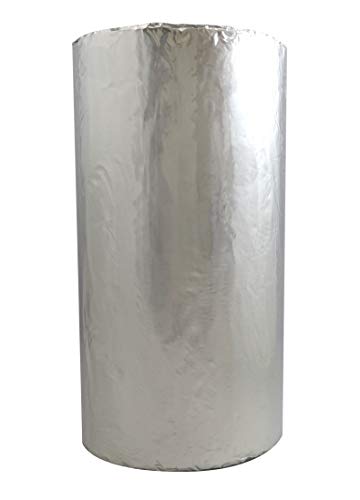
Features: Self-adhesive, 1 Ft. x 1/8 inch x 15 ft., combines two common insulating materials in one roll. Best for: quick spot repairs or lining smaller sections with a flexible, self-adhesive option. Better for: quick touch-ups where native adhesives or tapes can provide a rapid seal. Caution: not a full replacement wrap; may not cover larger duct areas effectively.
Frost King Foil Backed Fiberglass Pipe Wrap
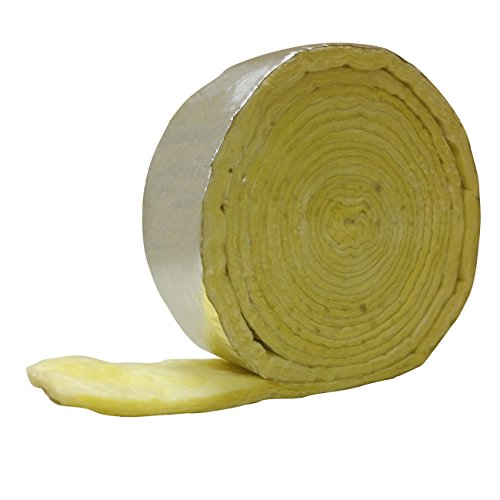
Features: Foil-backed fiberglass pipe wrap designed for pipes; easy installation and handling. Best for: insulating pipes and conduits with a wrap that protects against radiant heat transfer. Limitation: designed for pipes, not general ductwork; ensure fit for pipe dimensions and appropriate thickness for your application.
Buying Guide: Key Considerations For Choosing Duct Wrap Insulation
- Material and facing: Do you prefer foil-backed fiberglass for radiant heat blocking, or a cotton-based wrap for softer handling and tactile comfort?
- Thermal performance: Look for thickness (inches) and R-value guidance. Higher thickness typically offers better heat retention and reduced energy loss.
- Vapor and moisture management: Is the wrap designed to minimize condensation in humid spaces like basements or attics?
- Ease of installation: Do you need flexible sheets, pre-cut panels, or self-adhesive options for faster upgrades?
- Code compliance: Are there NFPA or local energy-code standards the product is designed to meet?
- Safety and handling: Is the material comfortable to work with and does it require protective gear during installation?
- Applicability: Is the product intended for ductwork only, or also suitable for pipes, rafters, attics, and garages?
- Durability and wear: Will the wrap withstand temperature swings, vibration, and potential physical impact?
Frequently Asked Questions
- What is the main difference between foil-backed fiberglass and cotton duct wrap?
– Foil-backed fiberglass provides stronger radiant heat barriers and moisture resistance, while cotton wraps offer easier handling and comfort during installation. - Can I wrap ducts myself, or should I hire a professional?
– For standard runs, DIY installation with proper precautions is common. Complex layouts or extensive retrofits may benefit from professional help. - Is thicker insulation always better for energy savings?
– Higher thickness generally improves R-value and reduces heat transfer, but installation space and cost must be considered. - Will duct wrap reduce noise from the system?
– Some products with thicker fiberglass and foil facing can dampen din and vibrations, contributing to quieter operation. - Are there any safety concerns with fiberglass insulation?
– Wear protective gear when cutting or handling loose fiberglass; choose products with safer handling features when available. - How do I choose between a large sheet and smaller panels?
– Large sheets reduce seams on long runs, while smaller panels offer flexibility in tight spaces and irregular duct layouts.