Answering the search for a fireplace wood burning insert with a blower, this guide highlights five well-suited choices for American homes. These inserts and blower kits are best for improving heat distribution, maximizing room warmth, and making large spaces feel cozier. Suitable buyers range from small living rooms needing steady heat to larger areas that require improved air circulation. The table below summarizes the five products chosen for relevance and practical use with a blower component.
| Product | Best For | Key Advantage |
|---|---|---|
| US Stove 1,200 Sq. Ft. Wood Insert | Medium rooms | Heavy gauge steel with firebrick lining |
| Buck Stove Model 91 | Large spaces | High BTU output with customizable trim |
| Buck Stove ZCBBXL 42″ | Vent-free installation | 40,000 BTU with blower option |
| S31105 Wood Stove Blower (MHSC family) | Existing stoves needing replacement | Directs heat forward for better warmth |
| Spitfire Fireplace Heater (Woodeze) | Smaller fireplaces needing more flow | Two-speed blower with six tubes |
US Stove 1,200 Sq. Ft. Wood Insert
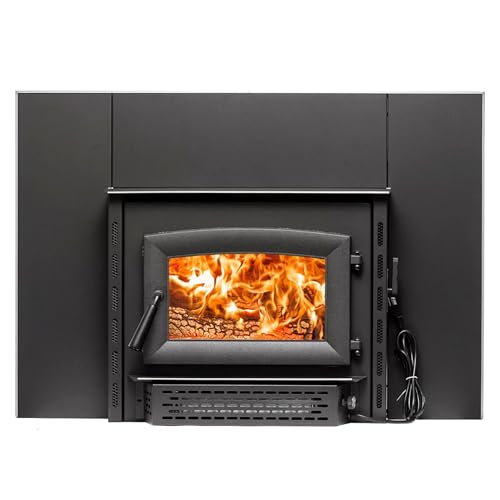
This insert is built for medium-sized rooms and offers a robust 10-gauge reinforced steel body with firebrick lining. It accepts logs up to 18 inches, supporting steady heat in living areas or dens. Best for buyers seeking a durable, traditional fireplace upgrade that improves heat retention and distribution. The heavier construction can contribute to longer burn times and consistent heat release, especially in colder seasons. Limitations include the need for compatible chimney dimensions and professional installation for optimal performance.
Buck Stove Model 91

This catalytic wood burning insert is designed to heat larger spaces, with up to 62,745 BTUs and a door/window aesthetic that blends into traditional interiors. It includes a heat-activated blower option and a trim kit to customize the look. Best for buyers who want strong heating output and adaptable trim to fit various decors. Choose this if you prioritize a classic appearance with substantial warmth; avoid if your space requires a more compact footprint or lighter installation profile.
Buck Stove ZCBBXL 42″ Fireplace Insert

Designed for vent-free propane or natural gas operation, this Buck Stove model provides two width options and a 40,000 BTU rating. It includes a blower option and a variable speed control for heat modulation. Best for buyers who want flexible installation in rooms without a traditional chimney or venting. It’s a good fit for renovations, new homes, or spaces with modern mantels. Potential limitation is reliance on gas fuel and compatibility with existing venting plans.
S31105 Wood Stove Blower for GHP/MHSC
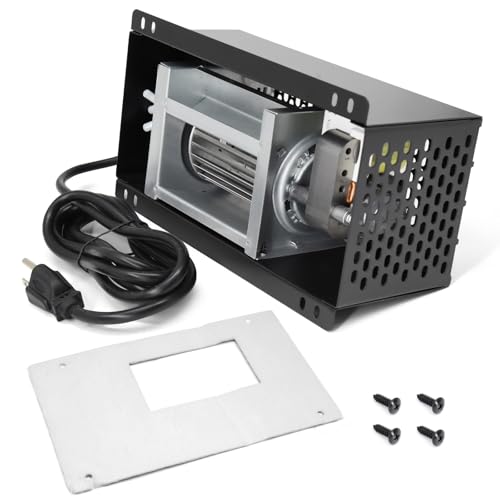
This replacement blower is compatible with a broad range of vent-free stoves and plate stoves from brands like GHP Group, Majestic, and Windsor. It accelerates hot air distribution from the back to the front, improving perceived warmth and overall heating efficiency. Best for buyers who need a direct, mechanical upgrade to boost heating performance without replacing the entire insert. Limitation: verify exact model compatibility and mounting dimensions before purchase.
DELSbbq S31105 Speed Variable Fireplace Blower

This blower features adjustable speed and compatibility across several MHSC and GHP Group brands. It emphasizes improved air flow to evenly distribute heat. Best for buyers who want customizable fan speed and enhanced heating efficiency. A potential limitation is that the listed specifications may vary by model year, so confirm exact fitment prior to purchase.
Buying Guide: How To Choose A Fireplaces Insert With A Blower
What size space do you need to heat? Measure the room and consider BTU requirements. Look for inserts rated for your square footage and choose a blower that matches the space for optimal warmth distribution.
What type of fuel and installation fit your home?
Wood-burning inserts are best for homes with a traditional chimney. Vent-free or propane options offer flexible installation but rely on gas or pellets. Ensure clearances, hearth dimensions, and venting paths are compatible with your room design.
How important is heat distribution?
A blower helps push warmed air into living areas, reducing heat pockets. Choose a model with a variable-speed blower for efficient control and less fuel consumption.
What maintenance is required?
Regular cleaning of ash, soot, and blower components helps maintain efficiency. Check for wear on gaskets, doors, and the blower motor. Replace worn parts promptly to preserve performance.
What about aesthetics and controls?
Consider door style, viewing area, and trim options. Some models offer customizable finishes to match decor. Controls should be easy to access and operate, with clear indicators for safety and operation modes.
Safety and warranties
Follow local codes for installation. Use qualified contractors for venting and electrical connections. Review warranty coverage and parts availability when selecting a blower kit or insert.
Summary of key considerations
- Heat capacity vs. space size
- Blower type, speed, and noise level
- Vent requirements and installation flexibility
- Maintenance needs and part availability
- Finish, door style, and overall fit with home design
Frequently Asked Questions
- Do wood-burning inserts with blowers really save energy? Yes, by distributing heat more evenly, reducing the need for additional fuel to maintain comfortable temperatures.
- Can I retrofit a blower to my existing fireplace? In many cases, blower kits are available for specific stove models; verify compatibility with your unit.
- Are vent-free options as effective as vented inserts? Vent-free options can provide good heat but may require more careful room air management and may have different regulatory considerations.
- What maintenance schedule is recommended for blower components? Inspect annually, clean dust and debris, and replace worn parts to maintain efficiency and avoid noise.
- Is professional installation necessary? For most inserts and blower kits, professional installation ensures safe venting, proper clearances, and optimal performance.