When shopping for a flexible return air duct, the goal is reliable airflow, easy installation, and durable construction that minimizes leaks and heat loss. This guide highlights five flexible ducts suited for residential return air paths, with clear guidance on who benefits most from each option. Use the quick-reference table below to compare features at a glance.
| Product | Size | Core & Insulation | Best For | Limitation |
|---|---|---|---|---|
| HVAC Insulated Flex Ductwork – 18″ x 25 Ft | 18″ diameter, 25 ft | Aluminum inner core; thick insulation; outer jacket | Large-diameter returns in multi-branch systems | Heavier and less flexible than smaller ducts |
| 8 Inch R8 Insulated Flex Ductwork 25 FT | 8″ diameter, 25 ft | Aluminum core; thick insulation; outer jacket | Standard residential returns with moderate airflow | Not ideal for very long runs in tight spaces |
| AC Infinity Flexible 10-Inch Aluminum Ducting | 10″ diameter, 25 ft | Four-layer protection; aluminum core | Tight spaces where durability matters | Higher price; professional-grade needs |
| Cuchiilo 4 Inch Insulated Flexible Duct | 4″ diameter, 25 ft | Aluminum, glass fiber insulation; high temp resistance | Small-diameter returns in compact layouts | Smaller airflow capacity |
| F&L Insulated Flexible HVAC Duct – 8 Inch 25 Ft | 8″ diameter, 25 ft | Multi-layer with inner core and protective jacket | Versatile for both residential and light commercial | Thickness and insulation weight can affect sway in long runs |
HVAC Insulated Flex Ductwork – 18″ x 25 Ft R6
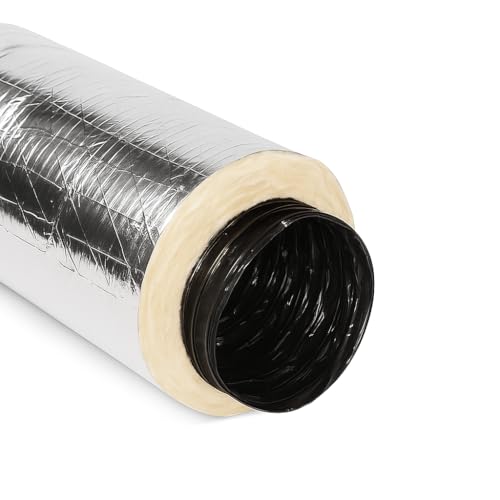
Best for: Homeowners upgrading a large return air path in a multi-vent system. This ultra-wide duct is designed for high-volume airflow, combining a durable aluminum inner core with thermal insulation and a robust outer jacket. The wide diameter helps reduce resistance and improve overall system efficiency in larger rooms or zones.
Why selected: Its thick insulation and durable construction support improved energy efficiency for expansive return runs. The aluminum core helps resist deformation and maintains consistent air passage over long distances.
Limitations: The large diameter may be challenging to maneuver in tight crawl spaces or along cramped ceilings. Ensure adequate space for installation and support hardware.
8 Inch R8 Insulated Flex Ductwork 25 FT
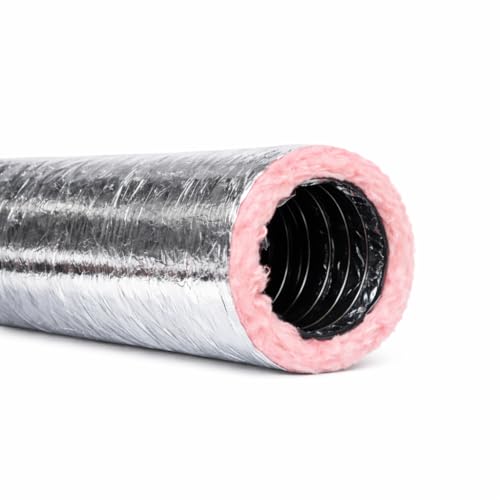
Best for: Mid-sized residential returns where space is available but airflow needs are moderate. This option balances size and flexibility with good thermal performance due to its insulation and aluminum core.
Why selected: The 25-foot length supports longer runs without excessive fittings, reducing potential leak points. Its R6 insulation aids in maintaining air temperature and efficiency across the run.
Limitations: Not ideal for very long or extremely compact layouts where flexibility matters most. Consider alternate sizes if your run requires frequent bends.
AC Infinity Flexible 10-Inch Aluminum Ducting

Best for: Systems requiring a sturdy, durable duct with reliable performance in harder-to-reach installations. Its four-layer protection reduces leaks and wear over time.
Why selected: The multi-layer construction and steel-wire spiral design add durability for tight or awkward spaces, minimizing maintenance and airflow loss in challenging runs.
Limitations: Primarily designed for higher-end installations; price and rigidity can be a consideration for budget projects. This ducting is best paired with precise fit and proper supports.
Cuchiilo 4 Inch Insulated Flexible Duct

Best for: Compact return paths or tight crawl spaces where only a small duct can fit. This duct is well-suited for localized air returns or ducted intakes in smaller rooms.
Why selected: Features insulation plus a robust inner aluminum core with glass fiber insulation, offering good thermal performance for its size. The effective sound absorption helps reduce noise in modestly quiet rooms.
Limitations: Lower airflow capacity due to the 4″ diameter means it’s not suitable for larger returns or high-volume systems. Watch for potential bottlenecks in bigger layouts.
F&L Insulated Flexible HVAC Duct – 8 Inch 25 Ft

Best for: General residential HVAC returns where a robust, insulated duct is desired across small-to-mid sized rooms. The 8-inch diameter fits common wall and ceiling cavities in many homes.
Why selected: The heavy-duty, multi-layer design supports efficient airflow while reducing heat loss and condensation. This option is commonly applicable for varied residential layouts.
Limitations: The insulation thickness and overall weight mean proper mounting and supports are important to maintain long-term performance. Avoid over-bending near joints to reduce wear.
Buying Guide: Flexible Return Air Ducts
What size should I choose for a return air duct?
Size depends on the required airflow and the space available. Larger diameters reduce friction and support higher air volumes, but can be harder to install in tight ceilings. For typical rooms, 4″ to 8″ ducts cover most needs, while 10″ to 18″ ducts suit larger returns or multi-branch systems.
What insulation level do I need?
Higher insulation (R6 or more) helps minimize heat gain or loss, especially in extreme temperatures. Insulated ducts also reduce condensation on cold returns, protecting ceilings and insulation in the attic or crawl space.
Is aluminum core better than other cores?
Aluminum cores offer durability and rigidity that resist crushing and deformation. They maintain airflow paths more consistently, especially during long runs. For tight spaces, flexible cores with robust insulation and an outer protective jacket can still perform well.
How important are the outer jackets and protection?
A strong outer jacket protects the insulation and inner core from abrasion, moisture, and punctures. In busy mechanical rooms or above ceilings, an outer jacket extends duct life and reduces leaks at seams.
What about installation considerations?
Plan for supported runs with clamps or straps to prevent sagging. Avoid excessive bending radii to minimize wall or ceiling damage. Use appropriate transitions when connecting to existing ducts to minimize air leakage.
How do I choose between similar sizes?
Compare insulation, layer count, and durability. If you expect frequent bends or rough handling, choose ducts with multi-layer protection and reinforced cores. For straightforward retrofits, a standard insulated duct in a common size often suffices.
Maintenance and longevity tips
Inspect joints periodically for leaks, especially where ducts connect to grills or vents. Keep the interior clean by avoiding debris or dust buildup near access points. Ensure supports remain tight to prevent kinks and minimize airflow disruption.
FAQ
- Q: What is the best duct size for a typical bedroom return? A: An 8″ to 10″ duct is commonly suitable for single- or small-to-medium rooms, balancing airflow with ease of installation.
- Q: Do I need insulation on every duct run? A: For unconditioned spaces and temperature-sensitive areas, insulation helps prevent heat loss or gain and reduces condensation.
- Q: Can I use any duct for a return path? A: It’s best to match the duct to your system’s design and the space available. Consider insulation quality, core durability, and ease of installation.
- Q: How long should a flexible duct last? A: With proper installation, support, and avoidance of sharp bends, these ducts can perform reliably for years, though durability varies by construction and environment.
- Q: Should I hire a professional for installation? A: For complex runs or large-diameter ducts, professional installation ensures proper sealing, insulation, and compliance with local codes.
- Q: Are larger ducts always better? A: Not necessarily. Larger ducts reduce friction but require more space and may complicate installation in tight areas. Choose size based on airflow needs and available space.