When cold conditions threaten productivity, a reliable fuel oil torpedo heater can keep garages, workshops, and job sites warm and safe. This guide highlights five high-performing models that balance power, fuel flexibility, and durability. Each product below is selected for American work environments, focusing on output, fuel compatibility, and practical features like thermostats and durable components.
Buying at a glance: the table below summarizes key details of the chosen products to help you compare at a glance.
| Product | Brand | Fuel Type | BTU / Coverage | Key Feature |
|---|---|---|---|---|
| VEVOR Kerosene Forced Air Heater | VEVOR | Kerosene (or Diesel) | 215,000 BTU | Thermostat, dual fuel capability, large tank |
| LB White Tradesman K125 | L.B. White | Kerosene, No. 1 Diesels | 125,000 BTU | Dual-prong ignition, rugged build |
| GarveeHome 125,000 BTU | GarveeHome | Kerosene, Diesel | 125,000 BTU | Thermostat control, portable design |
| Towallmark 125,000 BTU | Towallmark | Kerosene, Diesel | 125,000 BTU | Thermostat control, portable, durable |
| Dayton 170,000 BTU Oil Fired Heater | Dayton | Oil (diesel/kerosene)** | 170,000 BTU | Oil-fired efficiency, 13 gal tank |
VEVOR Kerosene Forced Air Heater

The VEVOR kerosene heater delivers 215,000 BTUs of heat to large spaces, making it suitable for workshops, barns, or industrial settings. With a 13.2-gallon tank, it aims to provide extended run times, reducing frequent refueling in active work areas. The unit supports both kerosene and diesel fuels, though only one fuel type should be used at a time. A thermostatic control helps maintain comfort by turning off when the target temperature is reached, and a built-in overheat protection feature adds a safety margin for continuous operation in cold environments. A fuel gauge and dual fuel filters assist with monitoring and reducing smoke and odor. This model is designed for both indoor and outdoor use, aligning with spaces that require robust, portable heat sources.
Design considerations for this model include fuel flexibility and energy-conscious operation. The thermostat allows precise temperature management, which can improve worker comfort and equipment efficiency. Operators should be mindful of fuel handling safety and proper ventilation when using kerosene or diesel heaters indoors. The large fuel capacity supports longer sessions between fills, which can be advantageous on job sites with limited access to refueling during the workday.
LB White Tradesman K125 — 125,000 BTUH
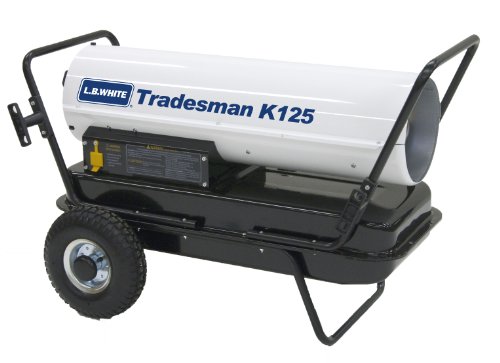
The LB White CP125CK Tradesman K125 provides 125,000 BTU output and supports kerosene, No. 1 diesel, and No. 1 fuel oil. This multi-fuel capability adds flexibility when gas isn’t available. A dual-prong electronic spark ignition supports reliable starts, and brass fuel fittings contribute to durability under demanding job-site conditions. The unit is designed for steady, directional heat—ideal for construction sites, garages, or outdoor spaces where a self-contained heat source is advantageous. The robust build offers resistance to wear, supporting long-term operation in challenging environments.
Key considerations include fuel choice and ignition reliability. While the flexibility is beneficial, operating across multiple fuels requires vigilance to ensure only one fuel at a time is used and that ventilation remains appropriate for indoor use. The corrosion-resistant fittings and enclosed motor contribute to durability, but maintenance should be scheduled to sustain peak performance in tough environments.
GarveeHome 125,000 BTU Heater
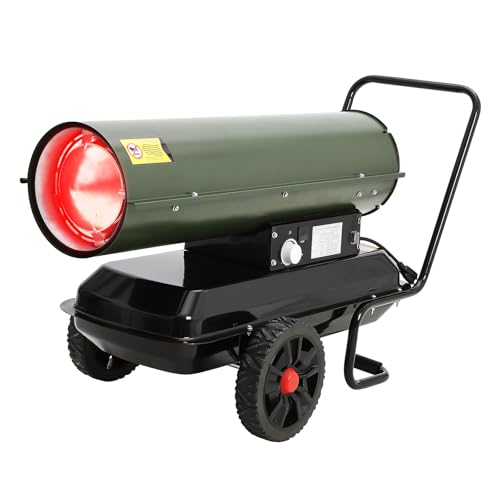
GarveeHome offers 125,000 BTUs with a thermostat-controlled output and several fuel options, including kerosene and diesel. The design emphasizes portability, allowing use on job sites, in garages, or outdoor locations where a reliable heat source is essential. Its thermostat control enables automatic temperature regulation, which can improve energy efficiency and worker comfort. The heater’s fuel flexibility helps ensure continuous operation even when one fuel type isn’t readily available. Durability and reliability are emphasized through a rugged construction that stands up to demanding environments.
Operational considerations include fuel handling and ventilation. The unit’s ability to run on multiple fuels can be advantageous, but operators must adhere to safety guidelines for indoor use and proper storage. Routine inspection of fittings and ignition components will help maintain reliability across extended use in cold seasons.
Towallmark 125,000 BTU Heater
Towallmark’s 125,000 BTU torpedo heater mirrors the GarveeHome in capacity and form, delivering robust heat for larger spaces. It supports multiple fuels (kerosene, diesel, home heating oil, jet fuel) with a caution against gasoline. The thermostat temperature control helps maintain a consistent environment, and the portable design supports use across job sites, garages, and outdoor work areas. The equipment is positioned as a durable option suitable for extended use in tough conditions, with emphasis on dependable heat delivery and a long-running fuel supply on a full tank.
From a purchasing perspective, the versatility of fuels comes with the need for clear fuel-handling procedures and ventilation practices. The unit’s run-time and heat distribution should be matched to space size to ensure effective warming without excessive fuel consumption. Regular maintenance of the ignition system and fittings supports reliability in daily operations.
Dayton 3VE51 Oil Fired Heater

The Dayton 3VE51 is an oil-fired torpedo heater rated at 170,000 BTU with a 13-gallon tank capacity. This model emphasizes efficient heat output for sizable spaces while maintaining a compact footprint suitable for shop floors and job sites. Oil-fired units tend to offer stable heat output and are widely used in continuous operation scenarios, where reliable warmth is critical for maintaining productivity and protecting equipment.
Users should consider fuel availability and ventilation when selecting this unit for indoor use. The 170,000 BTU output provides significant warmth, but space planning is essential to avoid overheating or excessive fuel consumption. Regular service of the oil delivery system, burner, and safety features helps ensure consistent performance across seasons.
Buying Guide: Key Purchase Considerations
- Fuel compatibility: Most torpedo heaters in this category support kerosene and diesel, with some models offering additional fuel options. Confirm that your facility has reliable access to your chosen fuel and follow local regulations for indoor use and ventilation.
- Heat output and space: BTU ratings indicate the size of space a heater can effectively warm. Match the unit’s BTU to your area’s square footage, ceiling height, and insulation level to prevent over- or under-heating.
- Thermostat control: A thermostat helps maintain a consistent temperature and can improve energy efficiency. Look for models with a built-in temperature display and adjustable setpoints.
- Durability and components: Rugged construction, brass fittings, and enclosed motors contribute to long-term reliability in harsh work environments. Consider models designed for frequent transport if you need portable heating on multiple sites.
- Safety features: Overheat protection, tip-over switches, and proper venting are essential for safe operation, especially in indoor spaces. Ensure proper installation and ventilation guidelines are followed.
- Run time and fuel capacity: Larger tanks and efficient burn rates reduce refueling downtime on busy jobsites. Consider your workflow and refueling access when evaluating tank sizes.
- Maintenance: Regular inspection of ignition systems, filters, and fuel lines helps prevent downtime. Prefer models with easily accessible service points and durable components.
- Portability: For contractors and workshop users who move heat around, a compact, durable design with integrated handles and balanced weight distribution improves usability.
In choosing the best fuel oil torpedo heater for a given facility, balance the space to be heated with fuel availability, safety considerations, and maintenance needs. The models listed here provide a range of power and fuel flexibility to support American work environments from small garages to large workshops and construction sites.