Achieve steady, efficient warmth with high efficiency baseboard heaters designed for quiet operation and even heat distribution. This guide helps buyers pick models suited for medium to larger rooms, easy installation, and reliable long-term use. The top picks emphasize strong convection, low noise, and practical thermostat options. Ideal buyers include homeowners upgrading a whole home or renters seeking efficient, space-saving heating without fans.
Overview of featured products at a glance:
| Product | Type | Approx. Heat Output | Best For |
|---|---|---|---|
| Cadet F Series 36″ Electric Baseboard Heater (3F750W) | Electric, Convection | 750W / 2560 BTU | Medium to large rooms that need steady warmth |
| Stelpro Prima 1500W / 120V | Electric, Convection | 1500W | Larger bedrooms and open spaces |
| Stelpro Prima 1250W / 240V (208V) | Electric, Convection | 1250W | Medium rooms with higher heat needs |
| Stelpro Brava 1500W / 120V | Electric, Convection | 1500W | Quiet, durable heater for homes/offices |
| Cadet 2F350W 24″ | Electric, Convection | 350W | Smaller rooms or zone heating |
Cadet F Series 36″ Electric Baseboard Heater (3F750W)
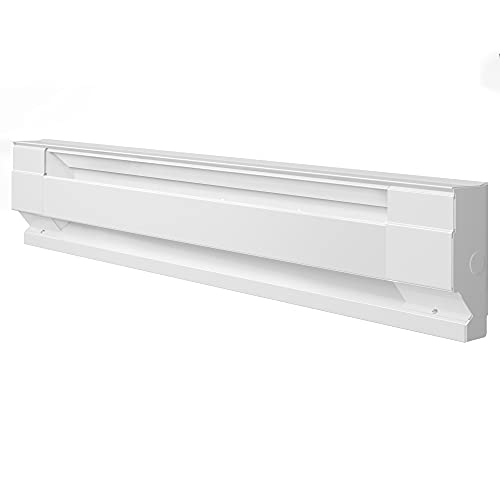
Best for rooms that require dependable, convection-based warmth with simple wiring. Features include multi-watt capability (750/563 W) and 240/208 V operation, offering flexibility in different homes. This Cadet model emphasizes easy installation through pre-punched knockouts and universal wiring, making it a practical upgrade for efficiency-focused users.
Who should consider this: homeowners replacing old baseboard units in medium-to-large rooms who want a straightforward install and consistent, convection-driven heat. Beware: performance depends on thermostat control and room insulation.
Stelpro Prima 1500W / 120V Baseboard Heater
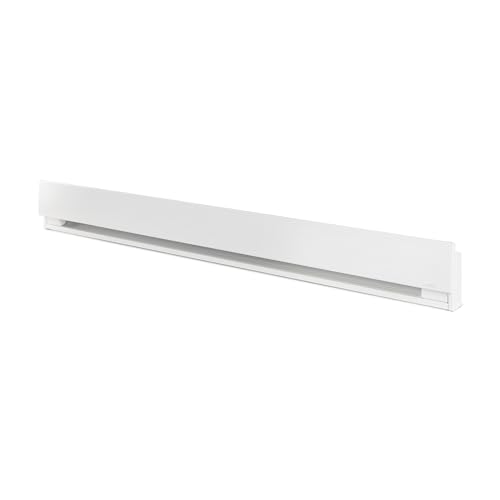
Best for larger rooms up to about 150 sq ft, delivering fast, even convection heat with a robust tubing and fin design for quiet operation. This unit is a strong choice when wall insulation is solid and you want steady warmth without fans. It’s particularly suited for living rooms and open spaces where space-saving and quiet performance matter.
Best for: rooms needing higher total heat output with reliable convection. Consideration: thermostat options are recommended for optimal control since this model assumes compatible controls.
Stelpro Prima 1250W / 240V Baseboard Heater

Best for medium spaces needing strong, steady heat with modest power draw. This model offers versatility by supporting 240V operation (and up to 208V), which translates to efficient performance in homes with higher electrical supply. The design emphasizes a quiet, uniform heat distribution and a slim profile that blends with room decor.
Choose this if you want a higher-output unit that remains discreet. Limitation: thermostat not included; pairing with a Stelpro thermostat is advised for precise control.
Stelpro Brava Electric Baseboard Heater – 1500W / 120V

Best for durable, high-output heating with quiet operation in homes or small offices. The Brava model features a one-piece no-end-cap design for a clean look and robust heat distribution without noisy expansion. It requires hardwiring and supports multiple thermostat configurations when paired with optional kits.
Best for: environments prioritizing long-term reliability and minimal visual impact. Caution: hardwired installation is required; thermostat compatibility should be confirmed for full control capabilities.
Cadet F Series 24″ Electric Baseboard Heater (2F350W)
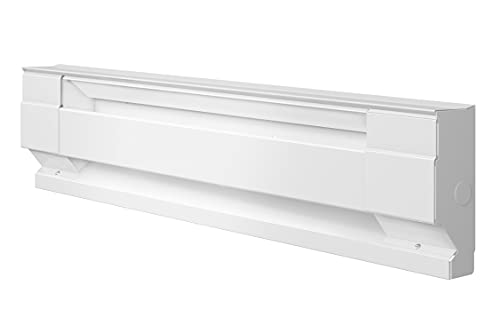
Best for smaller zones or hallways where space is limited but steady heat is desired. The 24″ model provides a more modest heat output suitable for compact rooms. It uses a straightforward electric baseboard design and is often paired with simple thermostat setups for basic efficiency needs.
Choose this if you need a compact unit that still delivers reliable convection heat. Limitation: lower output may require multiple units for larger spaces.
Buying Guide: Key Considerations for High Efficiency Baseboard Heaters
- Heat output vs. room size: Match wattage to the room area. A higher-watt unit in a small room wastes energy; multiple smaller units can offer zone heating for efficiency.
- Voltage and wiring: Ensure compatibility with your electrical system (120V, 208V, or 240V). Some models require dedicated circuits or thermostat upgrades for full control.
- Thermostat options: Consider whether you need a built-in thermostat or if you’ll use an external wall thermostat. Integrated controls can simplify installation and improve efficiency.
- Quiet operation: Look for units designed with noise-reducing fins and sleeved elements to minimize buzzing or expansion sounds in living spaces.
- Installation considerations: Some models are hardwired while others may allow plug-in installation. Pre-punched knockouts or universal wiring can simplify setup.
- Aesthetics and space: Slim profiles and discreet grilles help baseboard heaters blend with room decor without protruding into living space.
- Durability and materials: Steel enclosures and stainless or aluminum fins enhance longevity and heat distribution, especially in busy homes or offices.
- Maintenance: Regular dusting of vents and fins helps maintain efficiency. Check for any thermostat compatibility or servicing needs when selecting a model.
Frequently Asked Questions
- What makes baseboard heaters energy efficient?
- Can baseboard heaters heat a whole-home quickly?
- Do I need a thermostat with these heaters?
- Are these heaters suitable for rental properties?
- What maintenance do baseboard heaters require?
- How do I choose between Cadet and Stelpro units?
Baseboard heaters are energy efficient when properly sized for the room and controlled with an appropriate thermostat, enabling consistent convection heat with minimal energy waste.
Baseboard systems typically heat spaces gradually due to convection. They work well for steady, even heating and can be used in combination with other systems for broader coverage.
Most models require a thermostat for efficient operation. Some units include built-in controls; others rely on external thermostats for room-by-room control.
Yes, many baseboard heaters are suitable for rentals due to straightforward installation and reliable heat output. Always verify wiring requirements and landlord approvals for permanent changes.
Regular cleaning of vents and fins helps maintain efficiency. Inspect connections during servicing and ensure thermostats are functioning properly to avoid energy waste.
Cadet units are often simpler to install with universal wiring and standard wiring options. Stelpro models tend to offer higher wattage options and refined convection designs for larger spaces and longer-term durability.