Answering the buyer’s search: these high-efficiency particulate air (HEPA) filters and related PAPR components are designed to remove particulates from air streams, improve indoor air quality, and support safer environments. They cater to industrial workers needing PAPR systems, homeowners seeking powerful room purification, and vehicle occupants wanting cleaner cabin air. Below are five strong options chosen for relevance, performance features, and clear use cases. A quick comparison table follows to help you decide at a glance.
| Product | Best For |
|---|---|
| 3M Powerflow High Efficiency SP3 Filter System (Case of 20) | Industrial or professional environments requiring PAPR compatibility |
| Levoit Vital 100S-P Air Purifier | Home or open-concept spaces up to 1,073 ft² |
| Dräger X-plore 8000 OV/HE Filter | Powered air-purifying respirator users needing OV/HE filtration |
| 3M Adflo High Efficiency Starter Kit | Welding or the Adflo PAPR setup for quick-start replacements |
| BOSCH HEPA Cabin Air Filters (60987 / 6089C series) | Vehicle cabin air filtration for daily driving |
3M Powerflow SP3 Particulate Filter System

- NIOSH-approved SP3 particulate filter for high-efficiency protection against particulates
- Designed to be used with 3M Powerflow PAPR systems
- Loose-fitting headgear option provides protection without strict fit testing
Best for: industrial settings and workers who rely on powered air-purifying respirators. Choose this when your workflow involves particulate-heavy environments and you want a compatible spare-filter solution. Limitation: specific to 3M Powerflow PAPR ecosystems; not a standalone air purifier for room use.
Levoit Vital 100S-P Air Purifier
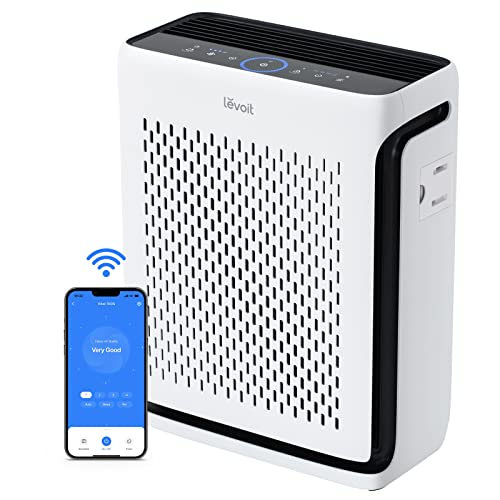
- AHAM VERIFIDE certification for verified room cleaning performance
- Effective for rooms up to 1,073 ft² with a 4.8x hourly clean in small areas
- Pet mode and wider air-inlet design target pet owners and open living spaces
Best for: homeowners seeking a validated, high-coverage purifier for large rooms. Better for: improving air quality in open-concept living areas. Caution: AHAM performance scales with room size; choose a model sized to your space to ensure hourly filtration.
Dräger X-plore 8000 OV/HE Filter

- NIOSH-approved OV/HE particulate and organic vapor filtration
- Plug-and-go filter system designed for Dräger X-plore 8500 PAPR line (kit sold separately)
- Compatibility and ease of replacement emphasized
Best for: professionals using Dräger PAPRs who need reliable OV/HE filtration. Better for: preventing organic vapor and particulate exposure in industrial settings. Caution: requires matching Dräger PAPR kit compatibility; not a universal filter for all PAPRs.
3M Adflo PAPR High Efficiency Filter

- Replacement filter for Adflo PAPR systems
- Quick and easy replacement to maintain continuous protection
- Part of a broader Adflo setup for welding and heavy-duty tasks
Best for: users already on the 3M Adflo PAPR platform needing efficient replacements. Better for: reducing downtime during filter changes in demanding environments. Caution: requires compatible Adflo PAPR components—not a standalone air purifier for rooms.
3M Adflo High Efficiency Starter Kit

- Starter kit for PAPR systems, aimed at welding applications
- Includes essential components to begin Adflo operation
- Provides a baseline setup for filtering and protection
Best for: new users seeking a complete PAPR starter package for welding tasks. Better for: ensuring a coherent, safe filtration setup from the outset. Caution: kit contents vary by product line; verify compatibility with your existing PAPR body and hose.
BOSCH HEPA Cabin Air Filter 6087C
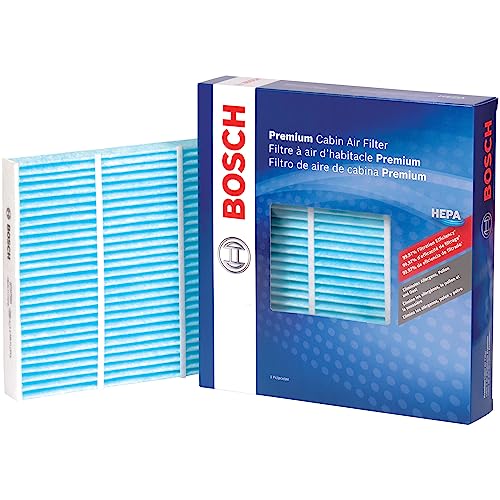
- 3-layer protection designed to meet HEPA standards (ISO 29463-3:2011)
- Filtration efficiency up to 99.97% at 0.3 microns
- Melt-blown electrostatic layer and extra media for higher capacity
Best for: vehicle owners prioritizing clean cabin air on daily drives. Better for: trapping fine particulates and reducing in-cabin contaminants. Caution: designed for automotive HVAC systems; not a home or industrial purifier.
Buying Guide
What type of filter best fits your needs?
Choose HEPA cabin filters for vehicles, room air purifiers for homes, or PAPR-compatible filters for industrial safety. Each type targets different air volumes and environments. Match your space size, usage pattern, and risk level to the product category.
How to verify filtration performance?
Look for independent certification marks such as AHAM VERIFIDE for room purifiers and NIOSH approvals for respirator filters. Certification signals tested performance and energy efficiency, helping ensure consistent indoor air quality results.
What to consider when choosing a PAPR vs. a standalone purifier?
PAPR systems provide powered, continuous filtration ideal for occupational settings and hazards. Standalone purifiers are best for homes and open spaces. If you need mobility or face-space flexibility, a PAPR-compatible filter is essential; for stationary rooms, a high-CADR purifier can suffice.
Space and capacity considerations
For rooms, measure square footage and ceilings to estimate CADR and recommended purifier size. For vehicles, cabin filters should fit the specific make and model. In industrial contexts, ensure replacement cycles align with usage and environment particulates.
Maintenance and replacement strategies
Document replacement schedules to avoid reduced filtration efficiency. Keep spare filters on hand to minimize downtime. For PAPR systems, maintain a straightforward replacement cadence with compatible hardware to preserve system integrity.
Safety and compatibility notes
Always use filters with compatible equipment and follow manufacturer guidelines. In occupational settings, adhere to workplace safety standards and PPE protocols. Avoid cross-using filters on incompatible models to prevent improper fit and filtration gaps.
FAQ
- What is the difference between HEPA and PAPR filters? HEPA filters purify room air or cabin air; PAPR filters are designed for powered respirators and protect users in hazardous environments.
- Do AHAM-certified purifiers work in large open spaces? AHAM VERIFIDE indicates tested performance; check CADR and room size recommendations to ensure suitability for larger spaces.
- Can I use automotive cabin filters in a home purifier? No, cabin filters are designed for vehicle HVAC systems; home purifiers require room-focused HEPA designs.
- How often should filters be replaced? Replacement frequency depends on usage, air quality, and the filter type; follow manufacturer guidelines and monitor performance indicators.
- Are all PAPR filters interchangeable? No, many PAPRs require specific filter types and models; consult the equipment’s compatibility chart before purchasing filters.
- Is it necessary to test air quality after installing a new filter? For best results, monitor air quality with a reliable detector or rely on AHAM-certified performance data to gauge cleanliness over time.