This guide helps you choose the best HVAC air flow sensor switch for your system. It covers common types like differential pressure switches, condensate float switches, and duct airflow detectors, with clear guidance on who each product is best for. Ideal buyers include homeowners managing residential AC, contractors installing in commercial ducts, and technicians replacing OEM components. Below is a quick buying table for the top five options featured, followed by detailed product sections and a practical buying guide.
| Product | Best For | |
|---|---|---|
| Tjernlund PS1503P | Residential central HVAC with duct fans | Plug-in simplicity and universal compatibility |
| Hvac Differential Pressure Switch (Tissting) | Systems needing precise pressure sensing | Accurate differential measurement across ranges |
| SS2 AC Float Switch (Generic) | Drain pan overflow protection | Prevents water damage from condensate overflow |
| LCF013 Air Flow Sensor (Sumsoctober) | Compact monitoring in tight spaces | Dual switch options for flexible wiring |
| Captive-Aire DDP-106-313 | OEM-replacement in commercial systems | Guaranteed compatibility and safety |
Tjernlund PS1503P Plug-in Air Pressure Activation Switch
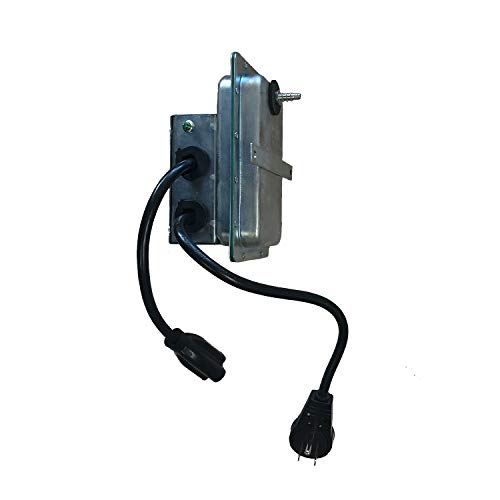
The PS1503P automatically turns duct fans on and off based on the furnace or air conditioner blower. Plugs into standard outlets and works with any brand duct fan, including Tjernlund Duct Booster Fans. Best for homeowners seeking a plug-in, straightforward control option that integrates with existing ducting without rewiring. Caution: ensure compatible voltage and correct wiring (black-to-black, white-to-white) with your setup.
Hvac Differential Pressure Switch (Tissting)

This differential pressure switch measures small pressure differences (50-500 Pa) with high accuracy, designed for HVAC systems that rely on precise air flow sensing. Best for technicians or advanced DIYers who need reliable pressure readings and a robust installation kit. Caution: installation requires proper sealing and tubing connections; mounting and wiring should follow spec sheets to avoid nuisance trips.
SS2 AC Float Switch

This condensate overflow shut-off sensor detects clogged drains and prevents overflow in drain pans. Best for protecting floors and ceilings in residential and light commercial setups. Caution: the device relies on a functional condensate drain; improper drain placement can reduce effectiveness.
LCF013 Air Flow Sensor (Sumsoctober)

LCF013 provides dual switch options (normally closed and normally open) for flexible monitoring of airflow in various HVAC setups. Best for installations requiring both monitoring and signaling for different system zones. Caution: compact design means careful wiring in tight spaces to avoid interference or shorting.
Captive-Aire DDP-106-313 OEM Sensor

This genuine OEM replacement part promises compatibility with existing CAPTIVE-AIRE systems, delivering matching fit, safety, and reliability. Best for professionals replacing failed OEM components to maintain original performance. Caution: verify model compatibility with your specific unit before purchase.
Feekoon SS2 Float Switch L Shape

Feekoon’s SS2 float switch detects condensation overflow and shuts down the AC drainage if an overflow is imminent. Best for straightforward installation with a 3/4″ adaptor. Caution: ensure the wire length and voltage specs align with your system’s electrical standards.
GAGALOR SS3 Float Switch with Bracket

The SS3 float switch includes a stainless steel bracket and is designed for easy installation and maintenance. Best for longer-term condensate protection in HVAC drain pans. Caution: weight and size should be considered for tight drain pan spaces.
Buying Guide
What kind of sensor is right for my system?
Choose a differential pressure switch for precise air flow measurement across ducted systems. For condensate protection, select a float switch like SS2 or SS3. If you want plug-in simplicity, a switch like the PS1503P is ideal. For OEM replacement needs, consider genuine CAPTIVE-AIRE parts.
What installation considerations matter?
Check wiring requirements (NC, NO contacts, or dual switches), tubing connections for differential pressure devices, and proper drain placement for condensate switches. Ensure your power supply matches the device’s voltage and that mounting locations won’t be obstructed by ducts or insulation.
How do I avoid common failures?
Ensure clear drainage for condensate devices, avoid placing sensors where turbulent air can cause false trips, and protect exposed wiring from moisture. Use stock mounting hardware and follow manufacturer installation guides for all connections.
Which option balances cost and reliability?
OEM replacement parts (like Captive-Aire) tend to offer model-perfect compatibility, reducing retrofit risk. For generic replacements, consider switches with robust housings and easy-to-wire terminals, like the PS1503P for simple plug-in use, or the TS line for accurate pressure sensing.
How should I verify compatibility?
Cross-check model numbers with your HVAC model, confirm thread sizes and electrical ratings, and ensure the sensor’s sensing range matches your system’s pressure or condensate conditions. When in doubt, consult the equipment’s service manual or an HVAC professional.
FAQ
- What is an HVAC air flow sensor switch? It’s a device that detects airflow conditions and triggers or interrupts a circuit to control fans, condensate pumps, or other HVAC components.
- Do I need specialized tools to install these switches? Basic hand tools are usually enough; some units require tubing, wiring practice, and basic electrical knowledge.
- Can these switches prevent damage from condensate overflow? Yes, float switches detect overflow and shut down the AC or related equipment to protect floors and ceilings.
- Is OEM replacement always the best choice? OEM parts ensure exact fit and compatible performance, but aftermarket switches can offer solid value when matched to the system.
- Are these switches compatible with all HVAC brands? Many are designed for universal duct use, but always verify voltage, mounting, and thread or conduit connections for your unit.
- What maintenance is required? Periodically inspect wiring, clear condensate drains, and clean sensor areas to prevent false readings or stuck states.