Answering the search intent, these HVAC sound dampening materials reduce engine and HVAC noise while improving interior comfort and thermal performance. They are best suited for DIY auto projects, truck cabins, and spaces where reducing vibration and heat transfer matters. The top picks below balance effective sound blocking, heat reflection, and ease of installation for everyday users.
Summary of selected products
| Product | Best For | Approximate Coverage | Main Benefit |
|---|---|---|---|
| KILMAT 80 mil 10 sqft | DIY enthusiasts, small areas | 10 sq ft | Thick, self-adhesive butyl with high insulation potential |
| KOIKEY 197 mil / 8.7 sq ft | Moderate projects with heat reflection needs | 8.7 sq ft | Three-layer structure with heat-reflective foil |
| YesBes 197 mil / 32 sq ft | Larger installations, better heat containment | 32 sq ft | 3-layer construction offering strong noise and heat damping |
| BXI Double Noise Blocker | Heavy-duty vibration and space constraints | ~3.66 sq ft per panel | Two-layer design with high attenuation and thermal insulation |
| VOISEN 394 mil / 21 sq ft | Maximal heat blocking in larger areas | 21 sq ft | Very thick aluminum-backed foam for strong DnR |
KILMAT 80 Mil 10 Sq Ft Car Sound Deadening Mat

KILMAT 80 mil uses a self-adhesive butyl and foil construction designed for easy DIY installation. The 80 mil thickness aims to deliver strong vibration damping with a lightweight overall weight per square foot. Best for small-area upgrades where maximizing insulation per sheet matters. The thicker profile suggests higher performance, but installation in tight curves may require careful trimming. Suitable for DIY enthusiasts seeking a straightforward upgrade with reliable sound reduction.
KOIKEY 197 Mil Car Sound Deadening Mat

KOIKEY offers 197 mil (5 mm) thickness with a 3-layer setup and heat-reflective foil. It provides significant noise reduction across high and low frequencies while reflecting radiant heat. This makes it well-suited for larger engines and hot climates where heat soak can affect cabin comfort. Choose this if you need substantial noise blocking and heat reflection in a mid-sized install. A potential limitation is larger sheet size requiring more planning for curved panels.
YesBes 32 Sq Ft Sound Deadening Mat (197 mil)

YesBes provides a 32 sq ft package with a 197 mil thick, three-layer construction featuring aluminum foil, foam, and strong adhesive. It blocks road noise and reduces panel vibration while reflecting heat. Best for larger cabins or trucks where a single purchase covers multiple panels. Choose this when you need extensive coverage and a robust mounting system. Limitation: heavier material may require more effort during installation in tight spaces.
BXI Double Noise Blocker Foam Panel
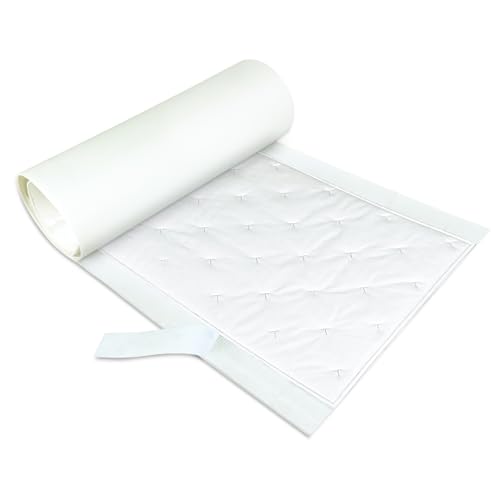
BXI uses a two-layer design with space cotton absorption and rubber damping, delivering double acoustic insulation. It is suited for larger HVAC compartments or spaces requiring substantial vibrational dampening. Best for users needing strong quieting in HVAC ducts or machinery housings. A caveat is that the panel is relatively heavy, which may require sturdy mounting and careful handling during installation.
VOISEN 394 Mil Sound Deading Material

VOISEN offers a 394 mil (10 mm) thickness across 21 sq ft with a combination of aluminum foil and foam. This provides strong thermal and acoustic insulation, making it a solid choice for demanding environments and large HVAC-related installations. Best for very noisy spaces or areas with significant heat gain. Limitation: the thickness can complicate fitment in tight vehicle panels.
Buying Guide: Key Considerations For HVAC Sound Dampening Materials
- Material composition: Look for multi-layer constructions that combine aluminum foil, butyl, and foam for both heat reflection and vibration dampening.
- Thickness vs. coverage: Thicker mats offer more damping but may be harder to install in tight spaces. Balance thickness with available panel area.
- Adhesive backing: A strong, long-lasting adhesive reduces edge lifting and ensures lasting performance in temperature variations.
- Thermal performance: Consider whether radiant heat reflection is important for your climate or vehicle engine bay proximity.
- Frequency performance: Some products target low-frequency road noise better; others excel with a wide spectrum. Choose based on your noise profile.
- Ease of installation: DIY-friendly sheets with pre-cut shapes or simple peel-and-stick backing save time and effort.
- Durability: Waterproofing, corrosion resistance, and temperature tolerance extend life in automotive environments.
Frequently Asked Questions
- What is the best thickness for automotive sound deadening?
Thicker materials (e.g., 197 mil to 394 mil) generally provide stronger damping, but installation complexity increases. Choose based on space and noise level goals.
- Do I need heat-reflective foil on my car panels?
Foil helps reflect radiant heat from the engine and sun, improving cabin comfort and reducing heat soak in hot climates.
- Can I install sound dampening over existing panels?
Yes, but ensure clean surfaces and consider edge coverage to prevent air gaps that can transmit noise.
- Will these products reduce engine bay noise or mainly interior vibrations?
Most products reduce both engine/transmission noise and interior rattles, with performance varying by thickness and layering.
- Is DIY installation reliable for complex shapes?
Yes, but plan cuts carefully, use proper adhesive pressure, and allow time for secure bonding on curved or irregular panels.
- How much coverage should I target for a typical sedan?
Start with key panels like doors, firewall, and floor; expand coverage progressively based on remaining budget and fit.