Answering the question “which HVAC zone control board should I choose?” this guide highlights five strong options that fit typical residential setups. Each product targets different homeowner needs, from simple two-zone setups to broader multi-zone systems with universal compatibility. This overview helps buyers pick the right panel based on the number of zones, compatibility with existing equipment, and ease of installation. The table below summarizes top picks and ideal uses.
| Product | Best For | Zones | Notes |
|---|---|---|---|
| SmartZone-2 (ECOJAY) | Two-zone homes with single-stage cooling, basic setups | 2 | Includes supply air temp sensor |
| SmartZone-3X (ECOJAY) | Three-zone systems needing versatile compatibility | 3 | Universal compatibility, sensor included |
| HZ311 True Zone Panel (Dicsley) | Three-zone systems on 24V single-stage heating/cooling | Up to 3 | Variable-speed fan control |
| HZ311 True Zone Panel (SWEthSU) | Three-zone 24V HVAC with reliable panel replacement | Up to 3 | Conventional applications, durable design |
| SmartZone-4X (ECOJAY) | Four-zone to broader multi-zone setups | 4 | Universal compatibility, supports many thermostats |
SmartZone-2: 2-Zone Controller Kit
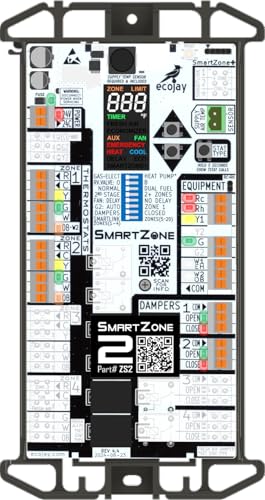
Best for: Homeowners with a simple two-zone layout using single-stage cooling and heating. This ECOJAY kit includes a supply air temperature sensor to protect equipment and improve staging efficiency. It is easy to install and operate, making it suitable for DIY renovators or contractors replacing older zoning panels.
Why selected: It delivers a straightforward two-zone solution with essential sensing and compatibility for single-stage equipment. The included sensor helps maintain comfort and system protection without extra add-ons.
Caution: Limited to two zones and single-stage cooling; upgrade to a higher-zone panel if your system requires multi-stage or more zones.
SmartZone-3X: 3 Zone Controller Kit

Best for: Three-zone homes needing flexible control across multiple areas with compatible equipment. The 3X version offers an upgraded 3-zone setup with a temperature sensor included, supporting efficient staging for different system types.
Why selected: It replaces older 2Z models with enhanced compatibility and better zoning options. The included sensor aids accurate control and reduces the risk of overworking equipment in multi-zone layouts.
Caution: While broadly compatible, verify that your HVAC equipment supports the required control strategy for optimal performance.
HZ311 True Zone Panel (Dicsley)

Best for: Traditional three-zone systems using a 24V single-stage heat and cool setup. This panel emphasizes robust wiring terminals and clear LEDs for status visibility, with variable-speed fan control to match demand.
Why selected: It directly targets the classic HZ311-style installations, offering reliable replacement capability and straightforward wiring for stable operation.
Caution: Some older systems may require wiring checks to ensure compatibility with current control logic and fan configurations.
HZ311 Zone Control Panel (SWEthSU)
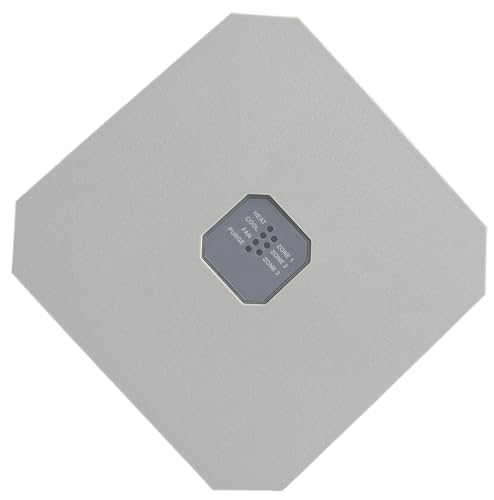
Best for: Conventional 3-zone setups requiring reliability and compatibility with standard thermostats. This panel supports 1H/1C configurations on 24V systems and is positioned as a solid replacement option in existing True Zone configurations.
Why selected: It provides a straightforward, durable option for three-zone, single-stage operations with clear status indicators and common terminal connections.
Caution: Verify that your thermostats and wiring match the panel’s terminal design to avoid miswiring or compatibility issues.
SmartZone-4X: 4-Zone Universal Kit

Best for: Multi-zone homes or future-proofing a system that may expand beyond three zones. The 4X kit supports up to four zones and works with various HVAC systems, including gas, electric, and heat pumps.
Why selected: It aims for maximum versatility with universal compatibility and the ability to use different thermostat brands, making it a strong option for remodels or larger homes.
Caution: Ensure your wiring setup can accommodate four zones and that your thermostats are compatible with the panel’s control scheme.
Buying Guide: Key Purchase Considerations
- Zones required: Determine how many distinct areas you need to control. Choose a panel that matches or exceeds your zone count to avoid overloading a smaller board.
- System compatibility: Check whether the panel supports your current equipment (single-stage vs multi-stage, gas/electric/heat pump). Look for universal compatibility when future expansion is likely.
- Power and voltage: Most residential zones use 24V control circuits. Confirm the panel’s voltage requirements and whether your transformer can handle the added load.
- Sensor and control features: Some kits include temperature sensors for more precise staging. Consider panels with auto-changeover and variable-speed fan support for better comfort and efficiency.
- Wiring simplicity: Panels with clearly labeled terminals and push-wire connectors reduce installation complexity and error risk.
- Thermostat compatibility: If you already use smart thermostats (Nest, Ecobee, etc.), verify compatibility or choose panels that explicitly support popular brands.
- Reliability and replacement parts: Look for widely supported modules and replacement boards to minimize downtime if a component fails.
Frequently Asked Questions
- What is an HVAC zone control board? A device that manages multiple zones in a home by modulating dampers and controlling heating and cooling to each zone.
- Do I need a zone control board for every home? Not necessarily. Smaller or single-story homes with uniform cooling may not require zoning.
- Can I install a zone controller myself? Many kits are designed for DIY installation, but complex systems or uncertain wiring should be installed by a licensed professional.
- Will a zone control board save energy? Proper zoning can improve comfort and efficiency by directing heating and cooling only to occupied areas, reducing waste.
- Can I mix thermostats with a zone control board? Compatibility varies; many universal panels work with common thermostats, but verify compatibility with your preferred brands.
- What should I check before buying? Confirm zone count, system type (single/multi-stage), wiring accessibility, and compatibility with your current HVAC equipment.