For spaces where electricity isn’t reliable or available, a kerosene heater with a thermostat can be a practical, efficient solution. This guide highlights five top options that balance heat output, safety features, and user-friendly controls. Each model supports comfortable temperatures in medium to large rooms, with automatic or manual temperature management to help conserve fuel and maintain steady warmth.
| Product | Brand | BTU | Heating Area | Fuel |
|---|---|---|---|---|
| WK95C8 | Dyna-Glo | 23,000 BTU/hr | Up to 1,000 sq ft | Kerosene |
| VEVOR 215000 | VEVOR | 215,000 BTU | Up to 1,260 m3 / 44,496 cu ft | Kerosene (Diesel optional) |
| RMC-55R7 | Dyna-Glo | 10,000 BTU | Up to 500 sq ft | Kerosene |
| KeroHeat 23,500 | Sengoku | 23,500 BTU | Up to 1,000 sq ft | Kerosene |
| HeatMate 23,500 | Sengoku | 23,500 BTU | Up to 1,000 sq ft | Kerosene |
Dyna-Glo WK95C8 Indoor Kerosene Convection Heater

This Dyna-Glo convection heater delivers 23,000 BTU per hour with a heating range up to 1,000 square feet. Designed for indoor use without electricity, it relies on kerosene fuel to provide steady warmth, making it suitable for spaces where power is unavailable or unstable. The WK95C8 emphasizes reliability and simple operation, ideal for cabins, workshops, and living rooms during colder months.
VEVOR Kerosene Forced Air Heater

VEVOR’s model is a high-output forced-air kerosene heater rated at 215,000 BTU. It’s designed for large workspaces such as barns, garages, workshops, or factory floors, capable of maintaining comfortable temperatures in spaces up to large volumes. A thermostatic control helps regulate temperature, and safety features include an automatic shutoff if the unit overheats. It supports kerosene or diesel fuels, with monitoring components like a fuel gauge and dual filters to reduce odor and smoke. This heater targets industrial or heavy-duty residential use where rapid, expansive heating is required.
Dyna-Glo RMC-55R7 Indoor Kerosene Radiant Heater

The RMC-55R7 model provides 10,000 BTU of radiant heat to warm up to 500 square feet. Its compact profile makes it suitable for living rooms, bedrooms, or offices where electric heat isn’t desirable. With no electricity needed, this heater relies on kerosene to deliver reliable warmth during power outages or in spaces without convenient electrical access. Oxygen-friendly radiant heating helps provide a steady heat source in smaller to mid-sized areas.
Sengoku Indoor & Outdoor Kerosene Heater, 23,500 BTU

Designed for versatility, this Sengoku unit delivers 23,500 BTU and heats up to 1,000 sq ft. It’s built for both indoor and outdoor use, including garages, basements, and camping scenarios. Features include a non-electric start, automatic safety shut-off, and a tip-over safety switch, along with protective grills. A 1.9-gallon fuel capacity supports long runtimes, and a simple EZ Flame adjuster makes lighting straightforward without requiring electricity.
Sengoku HeatMate 23,500 BTU Portable Heater
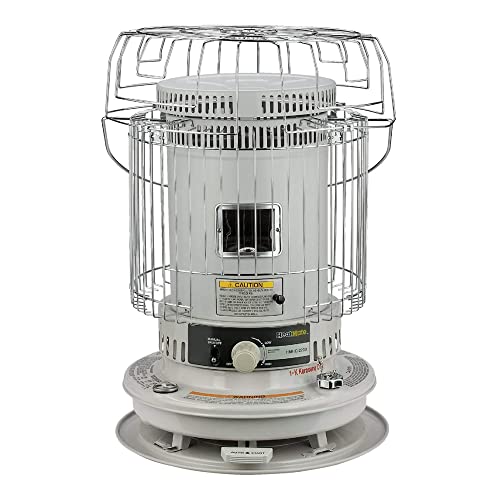
The HeatMate unit provides 23,500 BTU with a heating range up to 1,000 square feet, suitable for emergency use or temporary heat in larger rooms, garages, and uninsulated spaces. It operates without electricity and includes automatic safety shut-off, tip-over protection, and safety grills. A 1.9-gallon fuel tank supports extended burn times, making it a practical option for off-grid warmth.
Dyna-Glo WK24BK 23,800 BTU Indoor Kerosene Convection Heater
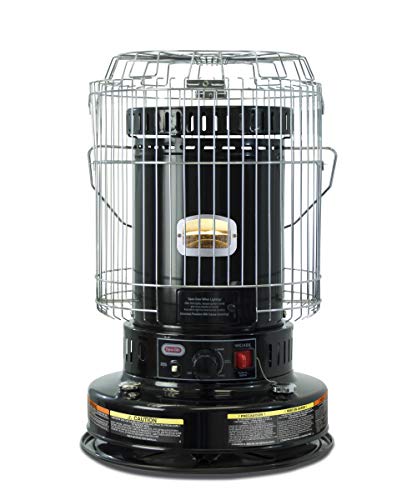
Another Dyna-Glo option, the WK24BK delivers 23,800 BTU with convection-style heat. It heats up to 1,000 sq ft and operates without electricity, making it a dependable choice for spaces that lack a reliable power supply. Its design emphasizes efficient distribution of heat throughout the room, helping maintain consistent warmth during cold days.
Buying Guide: Key Purchase Considerations
- Heating capacity and space: Match BTU output to the square footage of your room. Larger spaces require higher BTU units, while smaller rooms may overheat with excessive output.
- Thermostat and temperature control: Thermostats help maintain steady temperatures and improve fuel efficiency. Check whether the unit offers a built-in room temperature display and adjustable setpoints.
- Fuel type and availability: All models in this guide use kerosene. Consider fuel costs, storage, and odor management. Some units offer dual-fuel capabilities (kerosene or diesel) but use only one fuel at a time.
- Safety features: Look for automatic shut-off, overheat protection, tip-over switches, and protective grills. These reduce risk in homes with children or pets and during unattended operation.
- Electricity dependence: Some heaters operate without electricity, which is essential during power outages. If you’ll rely on backup heat, prioritize non-electric models or those with minimal power needs.
- Fuel efficiency and runtime: Larger fuel tanks extend runtime but increase weight and size. Consider burn times per fill and whether a fuel gauge is present for monitoring.
- Portability and maintenance: Some models offer carrying handles or more compact footprints. Accessibility of replacement parts and filters can simplify maintenance and performance.
When selecting an indoor kerosene heater with a thermostat, evaluate how you plan to use it—whether for a workshop, living space, garage, or a cabin. Safety certifications, fuel management features, and the ability to regulate heat without electricity are all important considerations for sustained, reliable warmth.