Answering your search for reliable insulated wood stove pipe, this guide highlights top options that balance safety, efficiency, and ease of installation. The best picks cater to different stove types, home sizes, and installation needs. Read on to find which pipe is best for your setup, from AllFuel HST systems to DuraVent lines. A quick buying table below helps compare key specs at a glance.
| Product | Size | Material | Best For |
|---|---|---|---|
| AllFuel HST 6″ x 48″ | 6″ x 48″ | 304 stainless steel | Medium to large stoves, thicker walls |
| AllFuel HST 8″ x 48″ | 8″ x 48″ | 304 stainless steel | Larger stoves, higher draft needs |
| Selkirk SureTemp 6″ | 6″ | Stainless steel | Heavy-use residential vents |
| DuraVent DVL 6DVL-24 | 6″ x 24″ | Double-wall galvanized/stainless | Quick install, versatile fuels |
| DuraVent 6DP 24 | 6″ x 24″ | Triple-wall galvanized | Extreme safety with high heat |
AllFuel HST 6″ x 48″ Stainless Steel Class-A Pipe

Best for: Homeowners with AllFuel HST Class-A systems seeking a corrosion-resistant, double-wall insulated connection. The 304 stainless steel inner and outer walls with laser-welded seams offer strong durability. Insulation with a ceramic fiber blanket provides a 2″ clearance to combustibles while maintaining draft. This option is ideal for buyers who already use AllFuel HST components and want reliable compatibility.
Why selected: It emphasizes compatibility within the AllFuel HST family, high-temperature performance, and reduced creosote risk due to stable flue temperatures. Caution: Not compatible with non-AllFuel Class-A brands.
AllFuel HST 8″ x 48″ Stainless Steel Class-A Pipe

Best for: Larger wood stoves or higher draft requirements. The 8″ size supports greater exhaust flow while preserving heat in the chimney. Designed for AllFuel HST Class-A systems with similar corrosion resistance and insulation characteristics as the 6″ version.
Why selected: Provides a scalable option within the AllFuel HST lineup for bigger installations. Caution: Only compatible with AllFuel HST Class-A components.
Selkirk 6″ SureTemp 48” Double-Wall Pipe

Best for: Residential heating setups needing reliable venting for various fuels including wood, coal, oil, or gas. UL-listed and tested to withstand high temperatures, delivering dependable safety and performance.
Why selected: The double-wall stainless steel design and heat tolerance support durable performance in demanding conditions. Caution: May be less flexible to install in tight spaces compared to some modular systems.
DuraVent DVL Double-Wall 6DVL-24
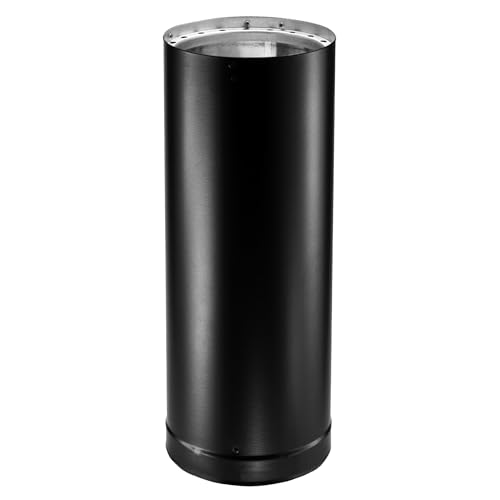
Best for: Quick installation and dependable draft when venting wood, oil, coal, or gas fuels. The double-wall design supports solid performance while simplifying alignment and airflow management.
Why selected: Emphasizes ease of installation with practical fit and draft stability. Caution: Data does not specify exact warranty details or compatibility with every stove model.
DuraVent DVL 6DVL-24 Easy Install Pipe
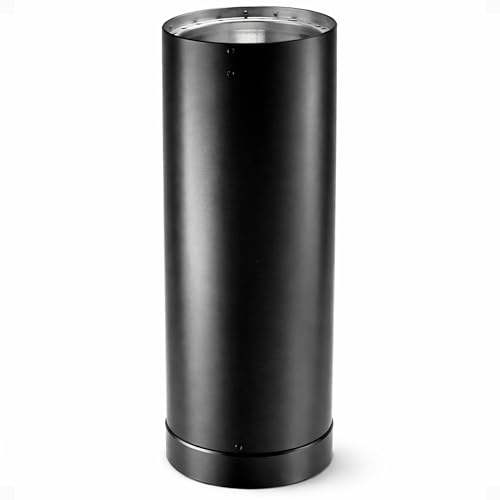
Best for: Small to mid-sized stoves needing a straightforward, robust venting solution. The 6″ diameter fits many standard installations and supports strong draft with a simple setup.
Why selected: Highlights durability and ease of installation for everyday use. Caution: Availability and exact configurations vary by region and kit contents.
AllFuel HST 8″ x 36″ Stainless Steel Pipe
Best for: Moderate-length runs with AllFuel HST Class-A connections. The 8″ by 36″ size keeps flow robust while maintaining safe clearance to combustibles.
Why selected: Complements the 8″ x 48″ option for shorter runs or tighter spaces. Caution: Ensure full compatibility with existing AllFuel HST components before mixing lengths.
Buying Guide
What to consider when choosing insulated chimney pipe:
- Compatibility: Check if your system uses Class-A double-wall, triple-wall, or standard double-wall pipe and confirm brand compatibility.
- Diameter and length: Match the stove outlet size and the needed run length. Larger diameters improve draft but require more space.
- Material and insulation: Stainless steel offers corrosion resistance; ceramic fiber insulation provides a safe clearance to combustibles.
- Temperature ratings: Look for pipes rated to withstand typical chimney temperatures, especially during draft surges.
- Installation ease: Some pipes feature twist-lock fittings or pre-formed sections for quicker setup; consider such features if you need a faster install.
- Safety clearances: Ensure adequate clearance to combustibles and proper wall pass-throughs or thimbles to prevent heat transfer.
How to compare options
- Best for compatibility with your existing components: AllFuel HST family for AllFuel HST parts; Selkirk for SureTemp lines; DuraVent for DVL and 6DP series.
- Best for draft and high-heat resilience: Look at double- or triple-wall designs and insulation quality to maintain flue temperatures.
- Best for quick installs: DVL lines emphasize ease of installation and fit, useful for rapid projects.
- Best all-around safety: Triple-wall options tend to offer stronger heat containment in extreme conditions.
FAQ
- What is insulated chimney pipe best used for?
Insulated pipe maintains high internal temperatures for a stronger draft and reduces clearances to combustibles, improving stove efficiency and safety.
- Can I mix different brands of Class-A chimney pipe?
Generally not recommended unless the manufacturer explicitly states compatibility between components.
- Which diameter should I choose for my stove?
Follow the outlet size on your stove or adapter; larger diameters improve draft but require more space and clearance.
- What is the difference between double-wall and triple-wall pipe?
Triple-wall pipes offer higher heat containment and safety margins in demanding installations; double-wall pipes are common and adequate for many setups.
- Is stainless steel always better than galvanized?
Stainless steel resists corrosion longer, especially in humid environments, but may cost more upfront.
- Do I need a wall thimble for pipe installation?
Yes, a wall thimble helps protect the wall from heat and provides a proper clearance when running pipe through walls.