This article highlights five top kerosene heaters that are popular for rugged reliability, energy efficiency, and robust heat output. From high-BTU forced-air units to compact, cordless models, these selections cover workshops, garages, camping, and emergency heating needs. Each entry includes key features to compare at a glance, helping you choose a heater that fits your space and fuel preferences.
| Product | Brand | BTU / Heating Area | Fuel Type |
|---|---|---|---|
| VEVOR Kerosene Forced Air Heater | VEVOR | 215,000 BTU; up to 1260 m³ | Kerosene or Diesel |
| Dyna-Glo Indoor Kerosene Convection Heater WK95C8 | Dyna-Glo | 23,800 BTU; up to 1,000 sq ft | Kerosene |
| KLEAN-STRIP Klean Heat Kerosene Alt. | KLEAN-STRIP | Not a heater, fuel alternative | Kerosene substitute fuel |
| Sengoku Indoor & Outdoor Kerosene Heater (KeroHeat) | KeroHeat | 23,500 BTU; up to 1,000 sq ft | Kerosene |
| Windpost Indoor & Outdoor Kerosene Heater | Windpost | 9,000 BTU | Kerosene |
Note: This guide focuses on kerosene heaters suitable for American households and workshops, balancing heat output, portability, safety features, and ease of use. Always follow local regulations and the manufacturer’s safety instructions when operating kerosene heaters.
VEVOR Kerosene Forced Air Heater

The VEVOR kerosene forced-air heater delivers a remarkable 215,000 BTUs, designed for large spaces such as workshops, barns, and industrial spaces. With a 13.2-gallon tank and a dual-fuel capability (kerosene or diesel, one type at a time), it supports extended operation with an automatic shutoff on low fuel. A built-in thermostat, temperature display, and overheat protection help maintain comfort and safety. Its dual fuel filters and pressure gauge aid in monitoring fuel quality and system pressure, reducing smoke and odor in operation.
Key features include a thermostat knob with a room temperature display (adjustable 40°F to 110°F) and energy-saving shutoff once the target temperature is reached. The heater is built for heavy-duty use and is suitable for both indoor and outdoor environments when proper ventilation is provided. The unit auto-shuts off on low fuel, and a gauge helps you keep track of fuel levels for uninterrupted warmth.
Dyna-Glo Indoor Kerosene Convection Heater WK95C8

The Dyna-Glo WK95C8 provides 23,800 BTU to heat up to 1,000 square feet without electricity. This convection heater is designed for reliability in spaces where electrical power may be limited or unavailable, making it a solid option for workshops and basements. With no electricity required, it relies on kerosene fuel and aerodynamic heat distribution to create a steady, even warmth. A compact choice for mid-to-large rooms, it remains portable and straightforward to operate.
User considerations include fuel availability, burn time, and room ventilation. Its electric-free operation is a notable advantage during outages. The WK95C8 is commonly favored for its simplicity and consistent heat output, though it may require more frequent fuel refills for continuous use in very large spaces.
KLEAN-STRIP Klean Heat Kerosene Alt., 1 Gallon

KLEAN-STRIP Klean Heat is a kerosene alternative designed for heaters, lamps, and stoves. This odorless fuel purportedly minimizes smells before, during, and after burning, offering a cleaner burn profile compared to some traditional kerosene fuels. It is positioned as an option for users seeking a substitute that may reduce odor while still delivering reliable heat.
When choosing a fuel alternative, users should verify compatibility with their specific heater model and ensure proper storage and handling. While not a heater itself, this product can influence odor, emissions, and maintenance needs, particularly in enclosed spaces or spaces with limited ventilation.
Sengoku Indoor & Outdoor Kerosene Heater (KeroHeat) 23,500 BTU

The Sengoku 23,500 BTU KeroHeat is designed for both indoor and outdoor use, delivering warmth to up to 1,000 square feet. It features a 1.9-gallon fuel reservoir, enabling extended operation on a single fill, with up to 12 hours of heat. Built-in safety features include automatic shut-off and a push-to-start ignition, reducing the need for matches and enabling operation during power outages. A siphon pump and batteries are included for convenient fueling.
This model emphasizes portability and versatility, suitable for homes, garages, patios, camping sites, and emergency scenarios. Consider the heat zone size and fuel availability when planning for large gatherings or longer heating durations.
Sengoku Indoor & Outdoor Kerosene Heater (KeroHeat) White
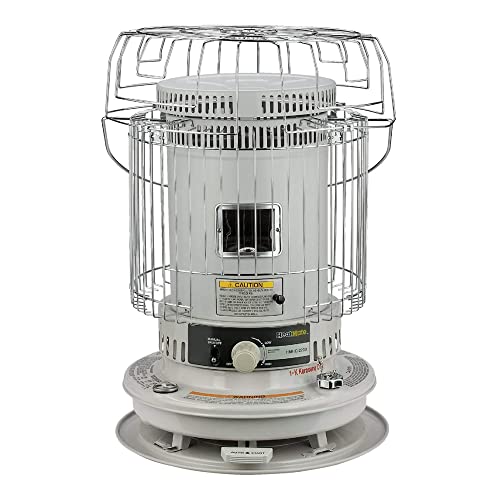
This Sengoku model mirrors the 23,500 BTU capacity with a portable design that supports indoor and outdoor heating needs. It offers a large heating zone coverage, a robust reservoir for extended use, and easy ignition with safety features. With 1.9 gallons of fuel capacity, users can expect up to 12 hours of warmth in a compact footprint. The unit is designed for reliable operation in garages, workshops, and other spaces that require dependable heat without electricity.
Key considerations include the balance of heat distribution, fuel management, safety features (tip-over switch, grills), and the intended space size. The KeroHeat line is well-regarded for its portability and resilience in mixed-use environments.
Buying Guide: Key Purchase Considerations For Kerosenes Heaters
- Heat output and space size: Match BTU ratings to your area. Larger spaces require higher BTUs or multiple heat sources; smaller rooms can be efficiently warmed with mid-range units.
- Fuel type and availability: Decide between kerosene and diesel options, considering fuel availability, storage, and handling safety. Some models support dual-fuel compatibility with restrictions.
- Ventilation and safety features: Ensure proper ventilation; look for automatic shut-off, tip-over protection, and grills for safe operation around children and pets. Consider insulation and draft levels in the space.
- Electricity dependence: Some units operate without electricity, which is advantageous during outages. Others may rely on electrical components for ignition or fans, so plan accordingly.
- Fuel capacity and burn time: Larger reservoirs reduce refueling frequency, important for continuous heating in workshops or outdoor setups.
- Portability and installation: For frequent repositioning, consider weight, handles, and base stability. Fixed installations require secure mounting and ventilation assessment.
- Maintenance and odor control: Regular fuel quality checks and timely filter changes help minimize smoke and odors. Consider extra features like odor-reducing additives or dual filters.
- Regulatory considerations: Check local regulations and guidelines on kerosene heaters, including indoor-use restrictions and ventilation requirements.
This guide presents a range of options to suit different needs, from large, high-output units for workshops to compact, portable heaters for garage or camping use. Always follow the manufacturer’s instructions and prioritize safety when selecting and operating a kerosene heater.