When selecting a large propane heater for indoor spaces, key factors include heat output, venting options, safety features, and efficiency. This guide highlights five top-rated options that are suitable for garages, shops, and sizeable rooms, emphasizing units with substantial BTU ratings, reliable safety shutoffs, and practical venting flexibility. Read on to compare capabilities and find the model that best fits your space and safety needs.
| Product | Brand | BTU Range | Indoor Suitability | Notes |
|---|---|---|---|---|
| Big Maxx MHU80NG | Mr. Heater | 80,000 | Yes | Natural gas, vertical venting |
| Big Maxx MHU50NG | Mr. Heater | 50,000 | Yes | Natural gas, venting options |
| Gasland MHA18BN | GASLAND | 18,000 | Yes | Portable, indoor/outdoor use |
| PAULINN Propane Heater | PAULINN | 6,000–18,000 | Yes | Three modes, indoor/outdoor |
| Haoteey Propane Patio Heater | Haoteey | 6,000–18,000 | Yes | Windshield, safety sensors |
Mr. Heater Big Maxx 80,000 BTU Natural Gas Unit Heater
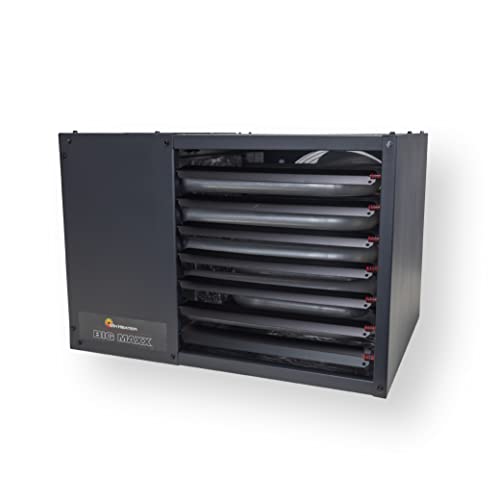
The Mr. Heater F260560 Big Maxx MHU80NG is a high-capacity unit heater designed for large indoor spaces up to about 2,000 square feet. It delivers 80,000 BTU with a compact footprint, and it is configured for natural gas. Venting options include vertical category 1 venting and horizontal venting, providing flexible installation. The unit’s dimensions are 29.33 inches long by 15.50 inches wide by 26.37 inches high. This model is intended for hard-wired electrical supply (120 V) and operates with a modest 2.3 amps draw. It requires a suitable clearance, notably a minimum 8 feet from floor to base.
What to know: This heater is built for spaces where robust heat is essential, and it pairs with appropriate gas supply and venting components. Thermostat, hose, and regulator are not included, so plan for compatible add-ons. Installation should comply with local codes and venting guidelines to ensure safe operation.
Mr. Heater Big Maxx 50,000 BTU Natural Gas Unit Heater
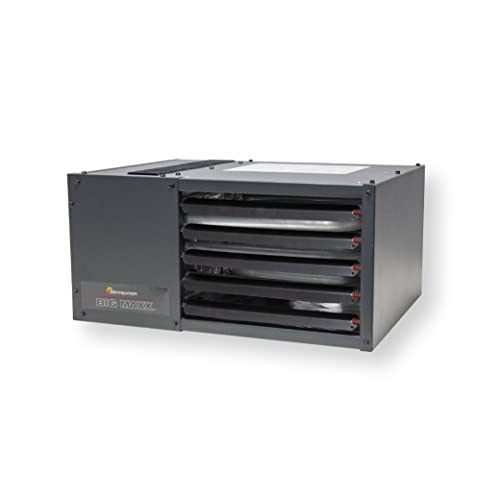
This 50,000 BTU unit from Mr. Heater provides solid warmth for medium-to-large spaces. It features easy access to thermostat and gas connections from the exterior, allowing straightforward adjustments without disassembly. The unit is compatible with vertical or horizontal venting configurations, giving flexibility during installation. While designed for natural gas, ensure a proper conversion plan if propane use is contemplated, and verify the required clearance and venting requirements for safe operation.
Key considerations: Check that your space has adequate venting options and that you have a plan for mounting or placement that maintains safe clearances around the heater and combustible materials.
Gasland MHA18BN Propane Radiant Heater

The Gasland MHA18BN delivers up to 18,000 BTU, suitable for garages, workshops, and other semi-enclosed spaces. It operates on liquid propane and includes safety features like tip-over and low oxygen shut-off to help prevent hazardous conditions. This model emphasizes portability and space efficiency, with a compact cabinet design and wheels for easy movement between rooms or job sites. It requires adequate ventilation when used indoors to maintain safe oxygen levels and air quality.
Practical notes: It does not require electricity to run, which can be advantageous during power outages. Always use in ventilated spaces, and follow manufacturer guidelines for cylinder sizing and safety shutoffs.
PAULINN Propane Heater Indoor Outdoor Patio (6,000–18,000 BTU)
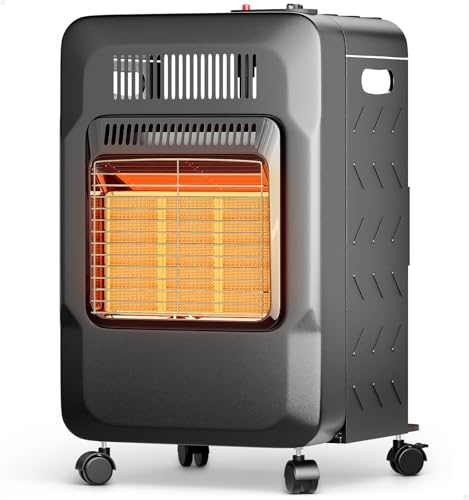
The PAULINN model offers three heat modes, ranging from 6,000 to 18,000 BTU, enabling flexible warmth for spaces up to about 450 square feet. It’s designed to deliver instant radiant heat and can help reduce dependence on electric heating in areas prone to outages. Dual safeguards include low-oxygen protection and tip-over shut-off. The unit is suitable for patios, garages, and larger rooms, and it emphasizes straightforward knob-based adjustments for easy operation.
Considerations: When using indoors, ensure adequate ventilation and avoid closed spaces with poor air exchange. Always follow safety guidelines regarding gas supply and clearance from combustibles.
Haoteey Propane Patio Heater 18,000 BTU

The Haoteey propane heater is rated up to 18,000 BTU and caters to indoor or outdoor use with a focus on safety and portability. It features a windscreen to protect the flame in outdoor settings and includes an Oxygen Depletion Sensor and tip-over protection to automatically shut off if conditions become unsafe. The unit supports operation without electricity, highlighting its utility during outages or remote setups. It’s designed for rooms and outdoor spaces up to roughly 450 square feet with careful placement for ventilation.
Notes: Placement on a flat, stable surface is essential. The heater’s balance and safety features help mitigate common outdoor-use risks in windy environments.
Buying Guide: Key Purchase Considerations
Heat output needs versus space size: Larger spaces require higher BTU models, but excessive heat in a small room wastes energy. Measure the area and compare BTU ratings to ensure efficient coverage without overheating.
Ventilation and venting options: Indoor use with gas heaters requires appropriate venting. Decide between vertical or horizontal venting based on room layout, ceiling height, and exterior venting access. Non-vented designs are typically not suitable for indoor use in many jurisdictions.
Safety features: Look for oxygen depletion sensors (ODS), tip-over shutoffs, and automatic shut-off when flames go out or oxygen is low. These features are critical for occupied spaces and for devices used in garages or workshops with limited ventilation.
Fuel type and availability: Natural gas versus propane affects installation and ongoing costs. Ensure your existing gas lines and propane supply arrangement support the unit, including regulators and hoses that meet local codes.
Installation and clearance: Verify required clearances from walls, ceilings, and combustibles. Some units require external access to gas connections or thermostats. Professional installation is advisable for high-BTU models or complex venting setups.
Portability and placement flexibility: If you need heat in multiple areas, portable options with wheels or compact footprints can offer practical versatility, especially for garages and workshops where space configurations change.
Operating cost and maintenance: Consider efficiency ratings and the availability of replacement parts or service networks. Regular inspection of gas lines, venting, and carbon monoxide safety is essential for long-term reliability.