Find effective cleaners for mini split coils that improve airflow, reduce grime, and support better cooling. This guide compares five top products to help homeowners and HVAC pros choose the right coil cleaner for evaporators and condensers. Each option highlights who it’s best for, plus practical cautions to consider before use.
Summary of Selected Products
| Product | Best For | Key Benefit | Notable Limitation |
|---|---|---|---|
| Nu-Calgon Evap Foam | Homeowners and DIYers | Fast-breaking, self-rinsing foam cleans dirt and residues | Foam effectiveness depends on contact time |
| Simple Green Foaming Coil Cleaner – Gallon | Small to mid-size systems | Large-volume cleaning with clear packaging | Might require dilution or follow-up rinse in tight spaces |
| Simple Green Foaming Coil Cleaner 20oz Aerosol (Pack of 3) | Professional or frequent-use sites | Professional-strength, self-rinsing on coils | Aerosol format may need careful application |
| ERRECOM Clima-Net, 34 fl oz | Central and split systems | Cleans ducts, filters, and both coils to improve airflow | May require thorough follow-up if stubborn buildup |
| LEARNIBEE Mini Split Cleaning Kit | DIYers with access to a full cleaning kit | All-in-one kit with bags, sprayer, and tools | Kit approach may be overkill for simple cleans |
Note: This article uses product details as listed for comparison. Always follow the manufacturer’s instructions and wear protective gear when handling chemical cleaners.
Nu-Calgon Evap Foam
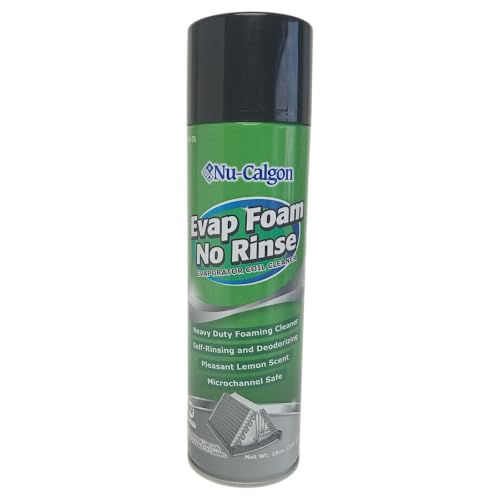
Nu-Calgon Evap Foam is designed for evaporator coils within mini split systems. It liquefies dirt, grease, oils, and residues quickly, allowing for easier removal. The formula includes corrosion inhibitors, making it safer for use on metals and various materials found in indoor coils. This product is best for DIYers seeking a fast, self-rinsing cleaning action on evaporators with minimal manual scrubbing. A potential limitation is that contact time and spray coverage influence overall cleanliness; ensure thorough coating of the affected surfaces.
- Best for: DIY homeowners cleaning evaporator coils in mini splits
- Why selected: Quick, self-rinsing foam helps reduce downtime
- Caution: May require complete rinse in very dirty coils
Simple Green Foaming Coil Cleaner – Gallon

This gallon-size foaming coil cleaner is suitable for larger mini split systems or commercial installations where multiple coils require cleaning. The product is categorized as a cleaning agent with practical packaging dimensions and weight, making it a cost-effective option for routine maintenance. It is particularly convenient for maintenance providers who need substantial product on hand. A limitation to note is that the label emphasizes basic product attributes; users should confirm compatibility with specific coil materials before use.
- Best for: Larger residential or small commercial mini splits
- Why selected: Volume offers long-term cost efficiency
- Caution: Verify compatibility with all coil materials before use
Simple Green Foaming Coil Cleaner 20oz Aerosol

This professional-strength foaming cleaner is packaged as an aerosol, making it easy to apply directly to evaporator and condenser coils. It is self-rinsing and designed to remove dirt, grease, and grime that can impede heat transfer. The product is NSF registered for use in and around food processing areas, which can be an advantage in certain settings. A caution is that aerosol applications should be controlled to avoid over-saturation in tight spaces.
- Best for: Professional maintenance crews and frequent-use sites
- Why selected: Strong cleaning performance with self-rinse action
- Caution: Apply carefully to prevent overspray in confined areas
ERRECOM Clima-Net Cleaner

ERRECOM Clima-Net is an AC universal cleaner formulated to clean central and split systems, including air ducts, filters, and coils. It supports improved indoor air quality and helps maintain strong airflow and cooling performance by removing dirt and contaminants across the network of components. This makes it a strong choice for homeowners seeking an all-in-one cleaning solution for older or multi-zone setups. A limitation to watch for is the need to ensure complete coverage of ducts and filters for optimal results.
- Best for: Central and split systems requiring cleaner ducts and coils
- Why selected: Broad cleaning scope improves overall airflow
- Caution: Ensure thorough application on ducts and filters for best results
Arm & Hammer Biodegradable Coil Cleaner Foam
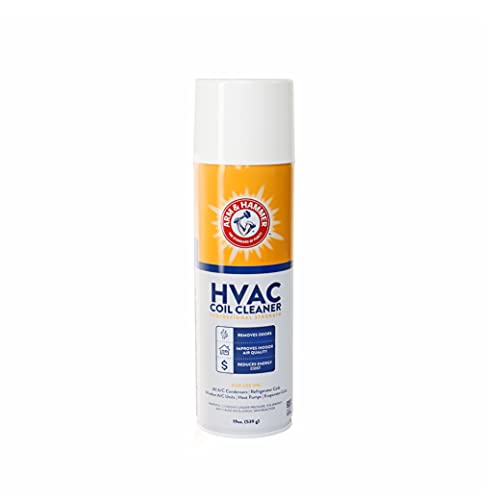
Arm & Hammer’s biodegradable foam cleaner is designed to clean HVAC coils while promoting better indoor air quality. The self-expanding formula helps lift dirt and buildup from coils, contributing to improved airflow and cooler operation. This option emphasizes eco-friendliness and odor control as part of its value proposition. A potential limitation is that biodegradable formulas may require longer contact times to achieve maximum cleanliness in heavily soiled coils.
- Best for: Eco-conscious users and odor control
- Why selected: Biodegradable formula with foam action
- Caution: Heavily soiled coils may require longer contact and follow-up cleaning
LEARNIBEE Mini Split Cleaning Kit

The LEARNIBEE kit provides an all-in-one solution for mini split cleaning, including a high-pressure sprayer, brushes, drain hose, gloves, and a cleaning cover. It is ideal for DIYers who want a complete package to clean internal components, ducts, and filters without hiring professional services. The kit’s broad set of tools supports thorough cleaning, but some users may find it more than necessary for small maintenance tasks.
- Best for: DIY homeowners and pros needing a full kit
- Why selected: Comprehensive kit with multiple tools for complete cleaning
- Caution: May be more equipment than needed for simple cleanings
Buying Guide: Key Considerations For Mini Split Coil Cleaners
What should you look for when choosing a mini split coil cleaner? Consider coil type, method of application, and whether you prefer self-rinsing formulas or products that require rinsing. Check compatibility with metal surfaces and plastics inside the unit. For evaporator-focused cleaning, foaming cleaners that liquefy grime and then rinse away are often effective. For ducts and filters, cleaners that tackle broader contamination across the system may be better. Aerosol vs. liquid formats impact application control and coverage in tight spaces. Accessibility and kit contents matter if you’re cleaning multiple components or a multi-unit installation.
Practical buying questions to guide the decision:
– Do you need an evaporator-focused cleaner or a system-wide solution?
– Is a self-rinsing foam preferable to minimize downtime?
– Will you benefit from a full cleaning kit or a single bottle?
– Are there food-processing or dairy environments requiring NSF-listed products?
– Do you require eco-friendly or biodegradable formulations?
FAQ
- What is the main difference between no-rinse foams and rinsing cleaners? No-rinse foams liquefy grime and rinse off with condensate or minimal washing, reducing downtime; rinsing cleaners may need water after application.
- Are coil cleaners safe for mini splits? Most are designed for HVAC coils and materials, but always verify compatibility with your specific metal and plastic components.
- Can I use a standard cleaner on a mini split? It’s best to use products formulated for HVAC coils to avoid residue that could affect heat transfer or electronics.
- How often should I clean mini split coils? Routine cleanup every 6–12 months is common, with more frequent cleaning in dusty environments or high-use areas.
- Do these cleaners affect indoor air quality? Clean coils improve airflow and reduce contaminants, contributing to better indoor air quality when used as part of regular maintenance.
- Is a cleaning kit necessary? A kit can simplify cleaning by including all necessary tools, especially for DIY homeowners or multi-unit setups.