Yes, indoor gas heaters can be a practical solution for keeping living spaces warm when electricity is limited or during power outages. This guide highlights reliable options that balance heat output, safety features, and ease of use. Ideal buyers include small apartment dwellers, hobby workshop users, and homeowners seeking occasional supplemental heat without relying on electric heaters. Below is a quick comparison of five models to help you pick the right fit for your space.
| Product | BTU | Best For |
|---|---|---|
| Mr. Heater 30,000 BTU Vent Free Blue Flame Natural Gas Heater | 30,000 BTU/hr | Medium to large living spaces up to 1,000 sq ft; homes needing fast heat |
| ProCom Natural Gas Ventless Blue Flame Heater MN100TBA-B | 10,000 BTU | Small rooms or bedrooms; compact, quiet supplemental heat |
| ProCom Natural Gas Ventless Infrared MN100TPA-B | 10,000 BTU | Small living areas; flexible mounting with wall or floor placement |
| MR. HEATER 10,000 BTU Vent Free Radiant | 10,000 BTU | Compact spaces; quick heat for bedrooms or offices |
| Mr. Heater 20,000 BTU Vent Free Radiant Natural Gas Heater | 20,000 BTU | Medium rooms needing stronger supplemental heat |
Mr. Heater 30,000 BTU Vent Free Blue Flame Natural Gas Heater

The 30,000 BTU model delivers high-output heat suitable for larger spaces up to 1,000 sq ft. It uses a vent-free design, making it easier to install where venting is impractical. Best for households needing rapid, substantial warmth in living rooms or open-plan areas. Consider this option if you frequently host guests and require consistent warmth without electric dependence. Caution: ensure proper room ventilation to maintain indoor air quality.
OKF Propane Heater 6,000–18,000 BTU Indoor with ODS

This heater provides three heat modes (6k/12k/18k BTU) and up to 69 hours of operation on low. It includes an oxygen depletion sensor (ODS) and tip-over protection, making it safer for semi-enclosed spaces. Best for small rooms, apartments, or garages where electricity is unreliable. Choose this if you want a flexible BTU range with built-in safety features; a limitation is that performance depends on room size and ventilation.
Propane Heater Indoor and Outdoor 18,000 BTU
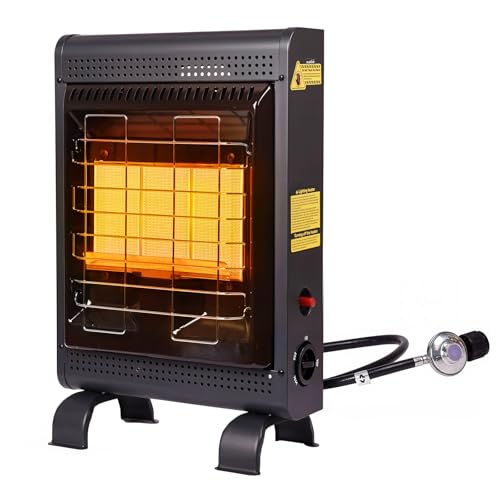
This 18,000 BTU unit is designed for both indoor and outdoor use and includes ODS and tip-over protection. It heats up to 450 sq ft and works well in patios, garages, or workshops. Best for users who want versatility between indoor and outdoor warmth. A caution: ensure adequate airflow when used indoors to avoid overheating or oxygen depletion in tightly sealed spaces.
ProCom MN100TPA-B Infrared Ventless Heater

This 10,000 BTU infrared heater provides compact, efficient warmth with a modern profile. It can be mounted on a wall or placed on the floor with base feet, offering flexible installation. Best for single rooms or small offices where space is limited. Limitation: infrared heat is best for direct warmth; it may feel less uniform in large, open areas.
ProCom MN100TBA-B Ventless Blue Flame Heater

This 10,000 BTU blue flame model is suited for smaller spaces needing quick warmth with a compact footprint. It features thermostat control and a slim, modern design that fits in tight rooms. Best for bedrooms or small living areas where silent operation and straightforward control are valued. Caution: ensure adequate ventilation and follow clearance requirements to prevent overheating of surrounding materials.
Buying Guide: Key Purchase Considerations
- Room size and BTU needs: Match heater output to the square footage you intend to heat. Higher BTU units are better for larger spaces, while smaller rooms benefit from 6,000–10,000 BTU models.
- Ventless vs. vented design: Vent-free models are easier to install but require proper ventilation and occupancy safety checks to maintain air quality.
- Safety features: Look for ODS sensors, tip-over protection, automatic shutoffs, and durable ignition systems for reliable operation in enclosed spaces.
- Installation considerations: Decide between wall-mount, floor-standing, or portable units. Weight, clearance, and mounting hardware influence installation ease.
- Electricity dependency: Some models run without electrical power, which can be advantageous during outages but may impact performance in windless rooms.
- Fuel source and costs: All the listed products use natural gas or propane. Consider fuel availability in your area and local utility costs when choosing a model.
- Maintenance and accessibility: Choose heaters with easily replaceable ignitions, accessible air intakes, and simple filter or vent cleaning routines to minimize downtime.
Frequently Asked Questions
- What is the safest gas heater for indoor use?
Heaters with an oxygen depletion sensor (ODS), tip-over switch, and thermostat control provide safer operation in enclosed spaces. - Can vent-free heaters be used in bedrooms?
Yes, but ensure proper ventilation, monitor CO levels, and follow manufacturer clearance requirements. - Do gas heaters require electricity?
Some models operate without electricity, while others rely on power for ignition or fans. Check each model’s specifics. - What size heater should I choose for a 400 sq ft room?
Look for around 10,000–20,000 BTU for a 400 sq ft space, depending on insulation and climate. - Are infrared gas heaters better for large rooms?
Infrared heaters can efficiently heat occupied zones in large rooms, but overall warmth depends on layout and airflow. - Is ongoing maintenance important?
Regular inspection of vents, ignition systems, and safety sensors helps ensure reliable operation year-round.