Looking for the most efficient gas heater to heat a space quickly and cost‑effectively? This guide highlights five gas heaters that balance output, safety, and energy efficiency. Each option is suited to different spaces and needs, from small rooms to larger workshops. The top picks emphasize efficient heat delivery, reliable ignition, and integration with existing thermostats where possible. Read on to compare best-for scenarios, when to choose each, and practical buying considerations.
Summary of selected products:
- Mr. Heater 30,000 BTU Vent Free Blue Flame Natural Gas Heater — best for small-to-midsized living spaces needing quick heat up to 1,000 sq ft.
- Mr. Heater 50,000 BTU Forced-Air Unit Heater — best for garages, barns, and workshops up to ~1,667 sq ft with ducted comfort options.
- Comfort Glow 17,000 BTU Direct Vent Natural Gas Wall Heater — best for wall-mounted, space-saving heating up to 500 sq ft.
- Rinnai FC824N Ventless Natural Gas Heater — best for compact rooms needing steady, programmable warmth.
- ThermoMate CZ422NG Natural Gas Tankless Water Heater — best for on-demand hot water with high efficiency in homes; includes smart adjustments and safety protections.
Mr. Heater 30,000 BTU Vent Free Blue Flame Heater

Best for small living spaces requiring rapid, zone-specific heat. This vent-free blue flame model delivers up to 30,000 BTU per hour and can heat areas up to about 1,000 square feet. Its battery-operated electronic ignition offers convenient startup, reducing delays in cold weather. Best for apartments or small homes where venting is not feasible, or as a supplemental heat source during peak seasons. A potential limitation is that vent-free designs can affect overall indoor air balance in tightly sealed homes; ensure proper room ventilation as recommended by safety guidelines.
Mr. Heater 80,000 BTU Forced-Air Unit Heater
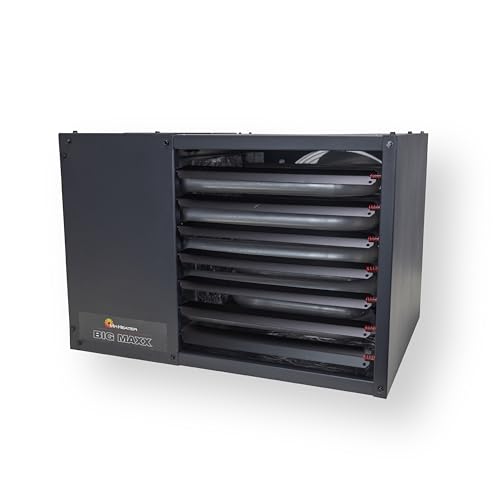
Best for large, unenclosed spaces like garages or workshops that require substantial heat output. This ceiling-mounted unit provides up to 80,000 BTUs and can heat up to about 2,667 square feet, making it a strong option for bigger spaces. It supports standard 24-volt thermostats and newer Wi‑Fi enabled thermostats (sold separately), enabling smarter control. Consider this option when you need rapid temperature rise in large areas; the setup may require professional installation and electrical considerations. It is less suited for small rooms due to its high output and potential heat concentration.
Comfort Glow 17,000 BTU Direct Vent Wall Heater

Best for space-saving wall installation in rooms up to 500 square feet. This direct vent wall heater combines a 17,000 BTU output with a compact footprint. It features a thermostatic control, electronic ignition, and a safety system that helps prevent gas flow if the pilot fails. Choose this option when you need wall-mounted warmth without occupying floor space. A limitation is that 17,000 BTU may be modest for larger rooms or high ceilings; pairing with supplemental heaters may be necessary.
Rinnai FC824N Ventless Natural Gas Heater
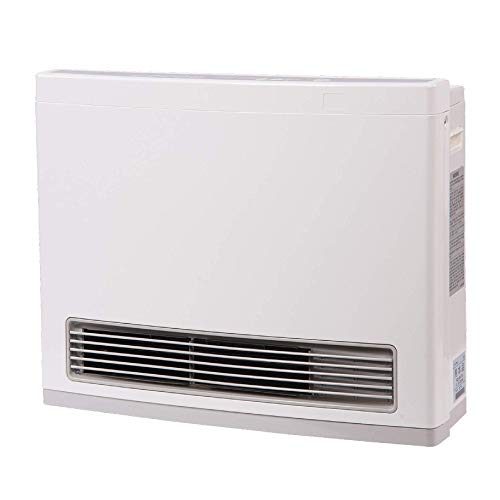
Best for compact rooms needing efficient, programmable warmth without venting. The FC824N provides solid space heating with a programmable thermostat and safety features; it is designed for indoor use and is compact enough for tight spaces. This model is suitable for areas where venting options are limited or where a small, controllable heater is ideal. A potential limitation is that ventless operation depends on proper indoor air quality and room size; follow installation guidelines to avoid drafts or overheating in small rooms.
ThermoMate CZ422NG Natural Gas Tankless Water Heater

Best for homes seeking on-demand hot water with high efficiency. The CZ422NG delivers up to 5 GPM at 113,000 BTU and features smart flow sensing, multiple safety protections, and compact size for indoor installation. It maintains stable temperatures with rapid adjustments and reduces energy waste compared to traditional storage heaters. While primarily a water heater, its efficient design supports overall home efficiency, especially when paired with complementary heating strategies. Consider this option if you need reliable, continuous hot water with temperature stability.
Buying Guide: Key Considerations For Choosing The Most Efficient Gas Heater
- Space size and heater type: Vent-free, vented, wall-mounted, and forced-air units each suit different room sizes and installation constraints. Match BTU output to the area you intend to heat.
- Ventilation and safety: Vent-free models require room ventilation and careful air balance. Ventless and direct-vent designs include safety features like flame sensors and overheat protection—prioritize models with multiple safeguards.
- Control and thermostat options: Consider programmable thermostats or compatibility with smart thermostats for better energy management and comfort. Some units provide integrated digital controls and diagnostics.
- Installation considerations: Larger units (e.g., 80,000 BTU) may require professional installation and proper clearances. Smaller wall-mounted or vented options are typically easier to install in tight spaces.
- Energy efficiency metrics: Look for higher BTU efficiency and better heat distribution. Tankless or on-demand systems can reduce standby heat loss and save energy in homes with variable hot water needs.
- Best-for scenarios: Identify whether you need rapid space heating, space-saving design, or integrated hot water compatibility to pick the most suitable model.
Frequently Asked Questions
- What is the most efficient gas heater for a single large room? The 80,000 BTU forced-air unit is best for large, open spaces like garages or workshops, but efficiency depends on insulation and thermostat control. For size-limited rooms, vent-free models with proper ventilation may be more efficient per square foot.
- Are vent-free gas heaters safe for living spaces? When used as directed with proper ventilation and clearance, vent-free heaters can be safe. Always follow manufacturer guidelines and local codes, and ensure adequate room airflow.
- Do tankless gas heaters save energy? Tankless heaters reduce standby energy loss by heating on demand, which can lower energy use compared to storage models in homes with fluctuating hot water needs.
- Is wall mounting better than floor-standing? Wall-mounted models save floor space and can be aesthetically compatible with living areas. Floor-standing units may provide greater heat distribution in some layouts but take up more space.
- Can I combine a gas heater with a thermostat? Yes. Many gas heaters support standard 24-volt thermostats or newer Wi‑Fi thermostats, enabling better temperature control and energy efficiency.
- What should I consider when buying for a workshop? Look for higher BTU outputs, durable construction, safe ignition systems, and compatibility with your thermostat setup for precise control in larger, uninsulated spaces.